 Pin It
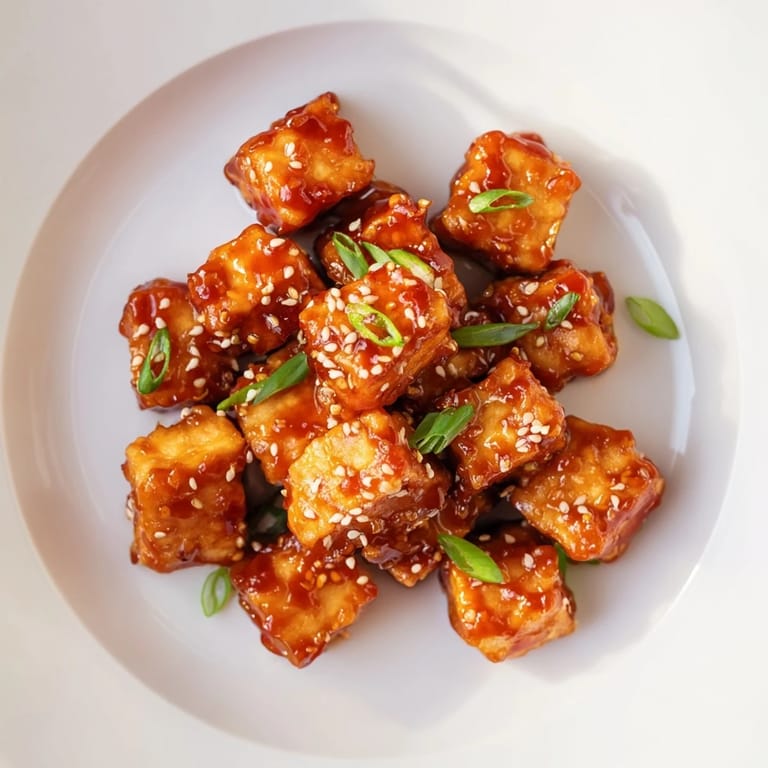
 My first encounter with this dish happened on a random Tuesday when I was supposed to be meal-prepping something sensible. Instead, I got distracted by a jar of gochujang sitting in my pantry and a block of tofu that needed using. What started as improvisation turned into something I now crave regularly—crispy cubes glazed in a sauce that's equal parts sweet, spicy, and dangerously sticky. The kitchen filled with this incredible aroma of caramelizing honey and chili that made my roommate emerge from their room asking what I was making.
The real test came when I made this for friends who were skeptical about tofu. I watched their faces as they bit into a piece and found that satisfying crunch followed by the sticky-sweet coating. One person asked for the recipe before finishing their plate. That moment taught me that it's not about converting anyone—it's about showing that when you treat ingredients with care, they shine on their own terms.
Ingredients
- Firm tofu (400 g): Press it seriously—I learned this the hard way when I skipped this step and ended up with soggy, steamed tofu instead of crispy cubes. Moisture is the enemy of crispiness.
- Cornstarch (2 tbsp): This is your secret weapon for that satisfying crunch. A light, even coating is all you need.
- Salt (1/2 tsp): Just enough to season the coating without making it overwhelming.
- Neutral oil (2 tbsp): Canola or sunflower oil work best; olive oil will burn at the high heat you need.
- Gochujang (2 tbsp): The backbone of this dish. It brings depth, heat, and umami that you can't replicate with other chili pastes.
- Honey (2 tbsp): Balances the spice with sweetness and helps create that glossy, sticky coating.
- Soy sauce (1 tbsp): Adds saltiness and savory complexity without tasting salty.
- Rice vinegar (1 tbsp): A touch of brightness that prevents the sauce from feeling one-note.
- Sesame oil (1 tbsp): Never skip this—it adds a toasty, aromatic finish that feels more authentic.
- Garlic and ginger (2 cloves and 1 tsp): Fresh versions are worth the effort here; they transform the sauce from flat to fragrant.
- Water (2 tbsp): Just enough to let the sauce simmer and thicken properly without drying out.
- Sesame seeds and green onions: These aren't just garnish—they add final texture and freshness that complete the dish.
Tired of Takeout? 🥡
Get 10 meals you can make faster than delivery arrives. Seriously.
One email. No spam. Unsubscribe anytime.
Instructions
- Press your tofu like your life depends on it:
- Wrap your block in a clean kitchen towel, place it on a plate, and weight it down with another plate and something heavy (a can of beans works perfectly). Let it sit for at least ten minutes. You're removing water so the final tofu can actually crisp up instead of steam.
- Cut and coat the tofu:
- Once pressed, cut into roughly two-centimeter cubes—think chunky, not dainty. Toss gently with cornstarch and salt until every piece has a light, even coating that looks a bit dusty.
- Get your pan properly hot:
- This is where patience matters. Heat your oil over medium-high heat and let it get genuinely hot before you add the tofu—you should hear a immediate sizzle when the first cube touches the pan. That sound means you're about to get crispy edges.
- Cook without fussing:
- Don't move the tofu constantly. Let each side sit undisturbed for a couple of minutes so it can develop that golden, slightly caramelized exterior. Turn occasionally with tongs until all sides are crispy and golden, about eight to ten minutes total. This is the moment everything becomes worth it.
- Make your sauce while the tofu rests:
- In a small bowl, whisk together the gochujang, honey, soy sauce, rice vinegar, sesame oil, garlic, and ginger until smooth, then add the water. It should smell incredibly fragrant and look deep reddish-brown.
- Bring everything together:
- Pour the sauce into the still-warm skillet and let it simmer gently for two to three minutes until it thickens slightly. The aroma will intensify and the sauce will look glossier—this is when you know it's ready.
- Return the tofu and coat it:
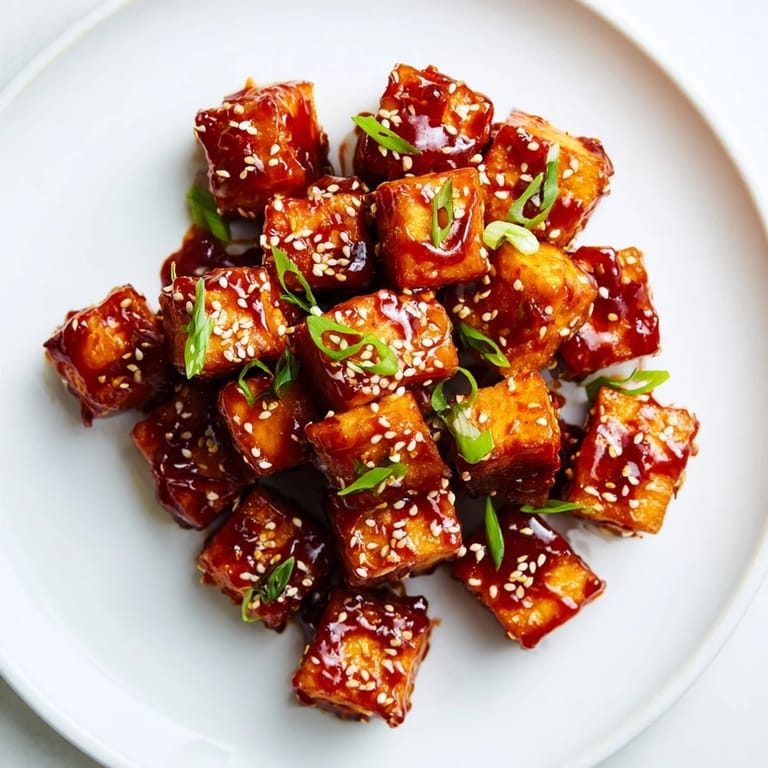
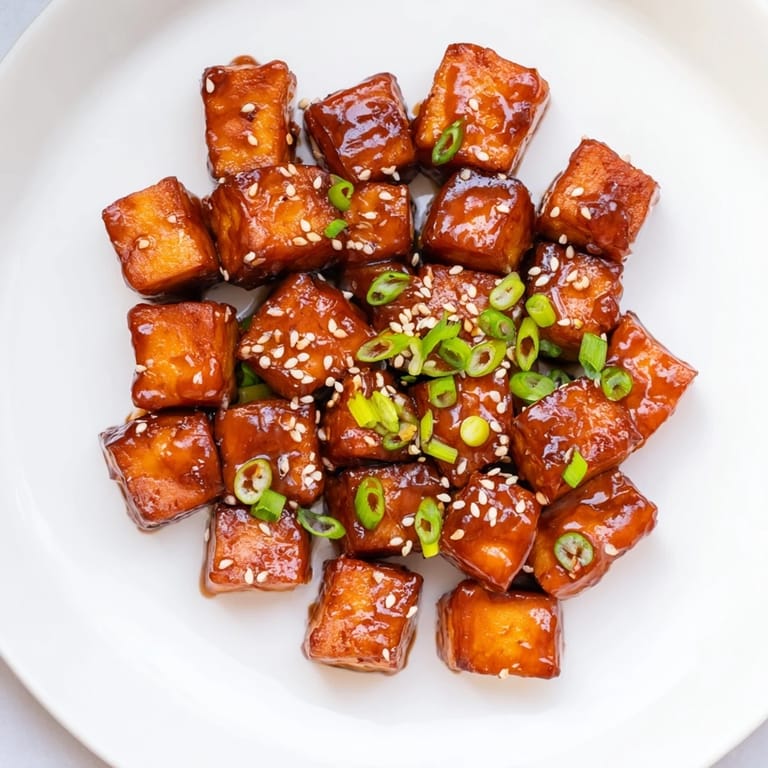
- Add the crispy tofu back to the pan and toss gently until every piece is coated in that sticky glaze. Cook for another minute or two, just until everything looks glossy and the sauce clings to the tofu. The tofu should still have that slight resistance when you bite it, not become soft.
- Finish and serve:
- Transfer everything to a serving plate while the sauce is still warm and a little bit shiny. Top with toasted sesame seeds and sliced green onions. Serve immediately, either on its own or piled over steamed rice.
 Pin It
 There's something deeply satisfying about food that challenges expectations, and this dish does exactly that. When people discover that tofu can be this good, something clicks—suddenly it's not about being vegetarian or making a substitute, it's just about eating something genuinely delicious.
Why This Sauce Works
The magic here is balance. Gochujang brings heat and funk, honey provides sweetness and a glaze-like quality, soy sauce adds umami depth, and rice vinegar cuts through everything with brightness. Sesame oil ties it all together with a toasty finish that feels more layered than any single component could achieve alone. The water is there for a reason too—it gives the sauce room to simmer and thicken without reducing to something too intense or too thick.
Serving Ideas
This works beautifully as a standalone appetizer straight from the plate, especially when you're looking for something that feels special but doesn't require much effort. Over steamed rice, it becomes a complete meal that's somehow both satisfying and light. You can also toss the glazed tofu into lettuce wraps for a handheld version, or serve it alongside roasted vegetables to build something more substantial without changing the core of the dish.
Making It Your Own
Once you understand how this recipe works, it becomes a template you can play with. If you prefer things spicier, increase the gochujang and maybe add a pinch of red pepper flakes to the sauce. For maple syrup or agave instead of honey works beautifully for a vegan version and shifts the flavor slightly earthier. Some people stir in a tablespoon of peanut butter into the sauce for extra richness, or add a teaspoon of sriracha for more layered heat. The tofu cooking method is the constant; the sauce is where you can experiment.
- Add steamed broccoli, sautéed mushrooms, or bell peppers to round out the meal without changing the cooking method.
- Use gochugaru (chili flakes) in addition to the gochujang if you want more heat and texture.
- Taste as you go with the sauce and adjust seasonings before adding the tofu back—it's easier to balance now than after everything's combined.
 Pin It
 This dish exists in that perfect space where it feels impressive enough to cook for guests but simple enough to make on a random weeknight. Once you've made it once, it becomes something you return to again and again.
Questions About This Recipe
- → How do I achieve crispy tofu cubes?
Press the tofu firmly to remove moisture, then coat evenly with cornstarch before pan-frying in hot oil until golden on all sides.
- → Can the honey be substituted for a vegan option?
Yes, maple syrup or agave nectar works well as a plant-based alternative to honey in the glaze.
- → What is the role of gochujang in the sauce?
Gochujang adds a spicy, savory depth with a mild fermented chili flavor that balances the honey's sweetness.
- → How to adjust the spice level of this dish?
Modify the amount of gochujang to control the heat according to your preference.
- → What sides complement this tofu dish?
Steamed rice, quinoa, or fresh lettuce wraps pair beautifully, and adding steamed broccoli or sautéed peppers enhances nutrition and color.