 Pin It
 The first time lavender filled my kitchen, it happened by accident. I was fiddling with a bag of culinary lavender I’d bought on a whim and a single whiff sent me rummaging for lemons. The way the citrus brightness tangled with floral notes just felt right—like springtime pressed into cake batter. It wasn’t a special occasion, but somehow the mood begged for something a little dreamy, so I set out to create a lemon lavender loaf cake with a glossy honey glaze. The aroma alone felt like a small triumph against an ordinary afternoon.
One gloomy Sunday, I brought this cake to a friend’s tea gathering, half wondering if anyone would actually enjoy floral desserts. As people started to arrive, the scent lured even the most hesitant out of their conversations—we ended up slicing the loaf while it was still barely warm, lavender drifting through the room like a promise of better weather.
Ingredients
- All-purpose flour: Essential for structure—I measure it with a spoon and level off for lightness instead of packed heaviness.
- Baking powder & baking soda: This duo lifts the batter to a perfect loaf height; don’t swap quantities or your crumb will change.
- Salt: Just a little enhances every floral and citrus note, never skip it.
- Dried culinary lavender buds: Look for buds labeled food-safe and use a light hand; too much can taste soapy.
- Lemon zest: Zesting directly over the bowl releases the natural oils for maximum brightness.
- Unsalted butter: Room temperature is key for creaming; cold butter won’t aerate properly.
- Granulated sugar: Notice how it dissolves into the butter, giving the loaf its delicate texture.
- Large eggs: Adding them one at a time means the batter doesn’t split and stays silky.
- Greek yogurt or sour cream: Both make the crumb extra moist; I grab whichever is left in the fridge.
- Whole milk: If you’re after a deeper lavender flavor, try gently heating the milk with the buds and straining them first.
- Fresh lemon juice: Adds tartness and keeps the glaze lively; bottle juice dulls the flavor.
- Pure vanilla extract: Rounds out the floral notes so the lavender never overpowers.
- Powdered sugar: Sifting here keeps your glaze honestly smooth.
- Honey: Its warmth plays beautifully against lemon and lavender—use a mild variety.
Tired of Takeout? 🥡
Get 10 meals you can make faster than delivery arrives. Seriously.
One email. No spam. Unsubscribe anytime.
Instructions
- Get ready to bake:
- Preheat your oven to 350°F (175°C), grease your loaf pan, and line it with a strip of parchment so the loaf lifts out easily.
- Mix your fragrant dry ingredients:
- In a medium bowl, whisk together flour, baking powder, baking soda, salt, lavender buds, and all the lemon zest—watch how the tiny flecks turn the flour lightly golden and give off sweet perfume.
- Cream the butter and sugar:
- Beat butter and sugar together for a few minutes until it's so fluffy you could almost spread it on toast—don’t rush this, the airiness helps the cake rise beautifully.
- Blend in the eggs:
- Crack in eggs one by one, letting each fully disappear before adding the next; if the mixture looks a bit curdled, that’s okay, it will smooth out in the end.
- Add the wet ingredients:
- Stir in yogurt (or sour cream), milk, lemon juice, and vanilla; the batter might look a little billowy and that’s your cue it’ll turn out moist.
- Combine the batter:
- Gently fold the dry mix into the wet—use a spatula and stop as soon as no hidden flour streaks remain to avoid a tough loaf.
- Bake the loaf:
- Scrape your batter into the prepared pan, smoothing the top, and slide into the oven. In about 45–50 minutes, the kitchen should smell like a lemon field; use a toothpick to check for doneness.
- Cool it down:
- Let the loaf rest in the pan ten minutes, then turn onto a wire rack; the steam cloud when you lift the pan always makes me smile.
- Whisk the glaze:
- While the loaf cools, blend powdered sugar, honey, and lemon juice; start with two tablespoons, then add more juice for a thick, pourable ribbon.
- Finish with honey glaze:
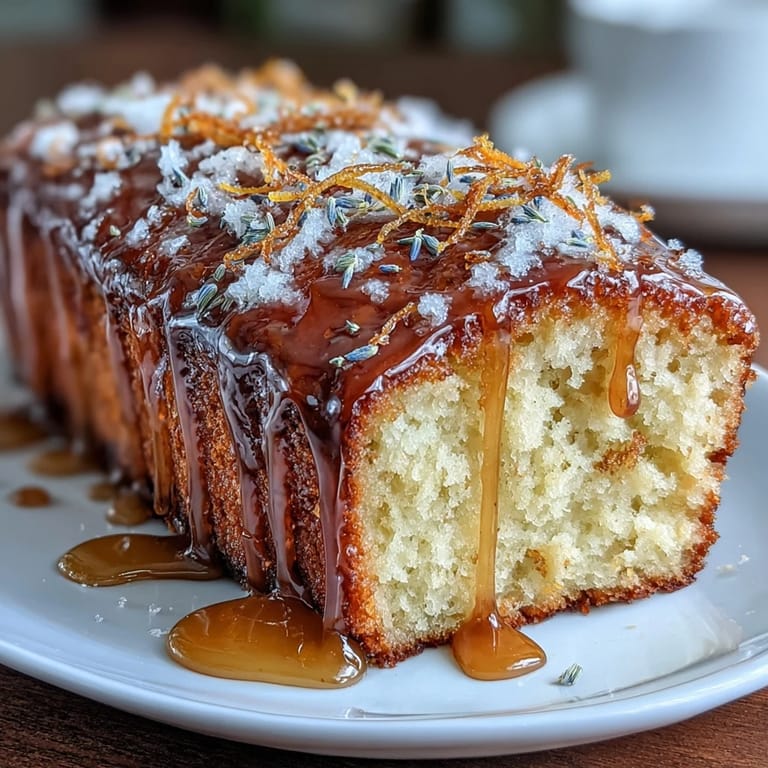
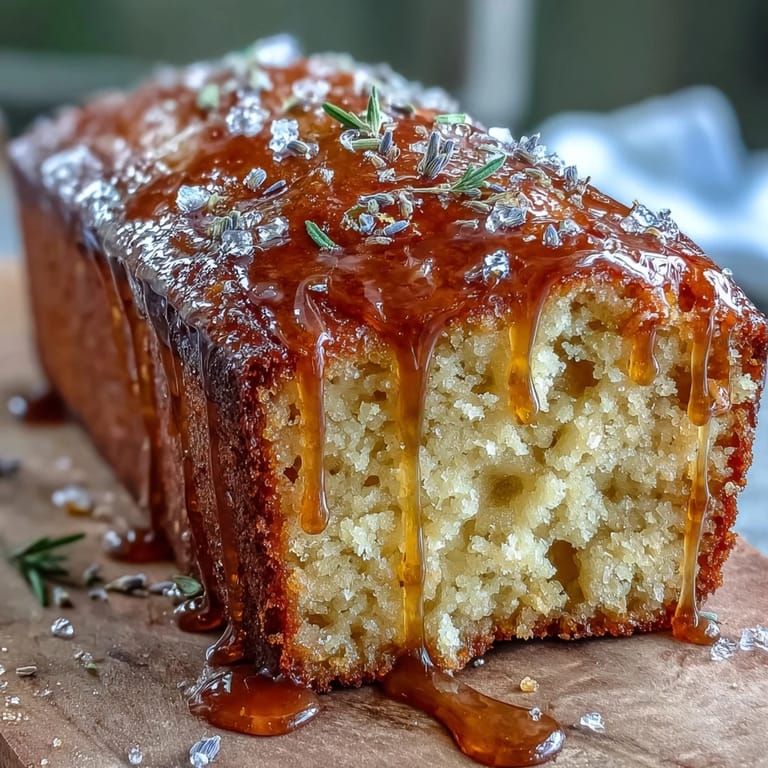
- Drizzle that golden glaze over the cooled loaf, letting it slip over the sides in glossy sheets and catch little pools of citrus-scented syrup.
 Pin It
 When someone you love closes their eyes at the first bite, you know you’ve made more than dessert. That lavender-lemon aroma lingers in the air, blurring the line between comfort food and a gentle hug.
Mastering the Glaze
I’ve found that the difference between a forgettable glaze and a stunning one is all in the texture. Sift your powdered sugar—even slight lumps can ruin the smooth drizzle, and adjusting the amount of lemon juice by half teaspoons at a time truly gives you control. Don’t rush, and glaze the loaf only when it’s completely cooled or the honey will slide right off.
Choosing the Best Lavender
I always double-check labels for culinary use, since not all lavender sold in stores is meant for eating. The first time I made this, I accidentally bought a potpourri packet and had an entire batch taste odd (pro tip: if it smells musty or too sharp, skip it). Now I buy from trusted herb shops or online from baker-focused suppliers.
Lovely Variations for Any Mood
When I feel playful, I swap the lemon zest for orange for a new citrusy twist, or scatter a few extra lavender buds on top for drama. You can even bake these as muffins if you’re short on time—they finish in about 20 minutes and are still perfect with a cup of tea.
- Try pairing the loaf with a chilled glass of Earl Grey in summer.
- Store leftovers wrapped tight—the floral notes mellow beautifully overnight.
- Don’t forget to double-check for allergies if sharing with friends.
 Pin It
 This lemon lavender loaf is like a bouquet baked into cake form—bright, calming, and always welcome at the table. Here’s hoping you find new reasons to share it.
Questions About This Recipe
- → How do I boost the lavender aroma?
Steep the dried lavender in warm milk for 10–15 minutes, strain, and use the infused milk in the batter. This extracts floral oils without adding gritty bits.
- → Can I swap yogurt for something else?
Yes—use equal parts sour cream or buttermilk to keep the crumb tender and moist. If using buttermilk, reduce any added lemon juice slightly to balance acidity.
- → How can I prevent a bitter lavender taste?
Use culinary-grade dried lavender and stick to the recommended amount. Avoid oversteeping or exceeding lavender quantities; when in doubt, infuse and taste the milk before adding.
- → How do I know the loaf is done?
Bake until a skewer or toothpick inserted into the center comes out clean or with a few moist crumbs. The top should be golden and the edges slightly pulling away from the pan.
- → Best way to store or freeze the loaf?
Cool completely, then store wrapped at room temperature up to 2 days or refrigerated up to 5 days. Freeze unglazed slices or whole loaf (well wrapped) up to 3 months; thaw before glazing.
- → Can I substitute orange for lemon?
Yes—swap lemon zest and juice for fresh orange zest and a bit of orange juice for a gentler citrus note that pairs well with lavender and honey.