 Pin It
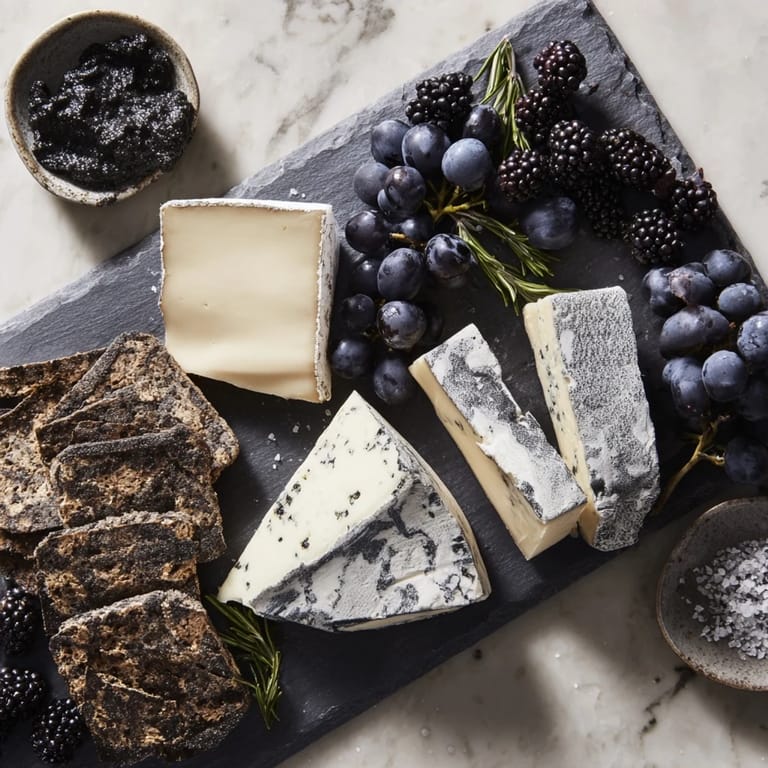
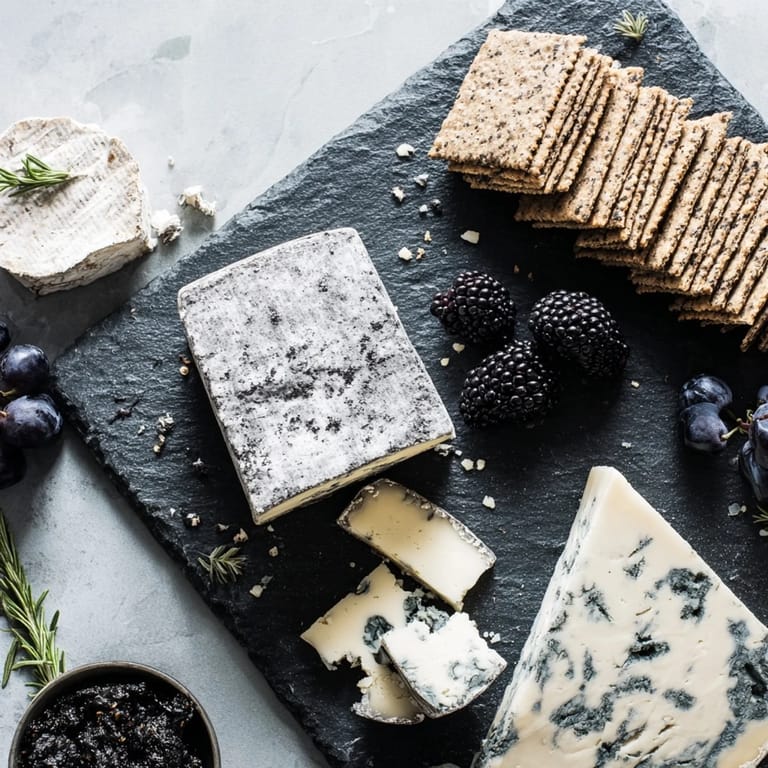
 I'll never forget the first time I saw a monochrome cheese board at a dinner party in Brooklyn—it stopped me in my tracks. The way those ash-ridden cheeses gleamed against the dark slate, the mysterious charcoal crackers, the blackberries scattered like little jewels. I remember thinking, this is what sophistication looks like on a board. That night, I became obsessed with recreating that visual poetry at home, and I've been perfecting this gray-and-slate celebration ever since.
The moment that sealed this recipe for me was when my sister brought it to a winter dinner and someone literally gasped. Not from hunger, but from how beautiful it looked. That's when I realized this wasn't just about cheese and crackers anymore—it was about creating a moment where food becomes art, where people slow down before they eat.
Ingredients
- Morbier or ash-rinded semi-soft cheese (150g): This cheese's distinctive black ash layer in the middle is your secret weapon for visual drama. It tastes creamy and mild, which balances the more intense flavors on the board. I learned to slice it gently—a warm knife helps prevent cracking.
- Humboldt Fog or ash-ripened goat cheese (120g): The crown jewel of gray cheeses. Its delicate ash exterior and tangy interior make it worth seeking out. Buy it a day ahead so it reaches room temperature and becomes silky.
- Valdeon blue cheese or similar gray-veined blue (100g): The bold player that adds complexity. Its blue-gray veining is exactly what you need for visual interest, and it tastes rich without being overwhelming when paired with the milder cheeses.
- Slate-colored charcoal crackers (8–10 pieces): These are the unsung heroes. They taste subtly smoky and keep your color palette intact. If you can't find them, black sesame crackers work beautifully as a substitute.
- Dark rye or pumpernickel bread (6–8 slices): Choose dense, dark varieties. The earthy flavor and charcoal color keep everything cohesive. I like to cut them into varied shapes for visual interest.
- Black grapes or dark plums: The juicy element that prevents the board from feeling too heavy. Their sweetness cuts through the salty cheese perfectly. I slice plums to show off their deep burgundy flesh.
- Blackberries or blueberries (small handful): These fill the gaps and add pops of texture. They're beautiful scattered across the board like edible confetti.
- Black olive tapenade (2 tbsp): This brings a briny anchor to the board. The dark color ties everything together while adding a salty, umami punch.
- Edible charcoal salt: The final flourish that says you've thought about every detail. It adds a subtle mineral taste and deepens the visual drama.
- Fresh rosemary or thyme (optional): Use sparingly—just a sprig or two for that pop of green that makes people appreciate the gray even more.
Tired of Takeout? 🥡
Get 10 meals you can make faster than delivery arrives. Seriously.
One email. No spam. Unsubscribe anytime.
Instructions
- Start with your canvas:
- Place your dark stone or slate board in front of you. Take a moment to look at its surface—the texture and color variations are part of the beauty. This board is going to be the stage for everything else, so make sure it's clean and positioned where you'll have room to work.
- Introduce the cheeses:
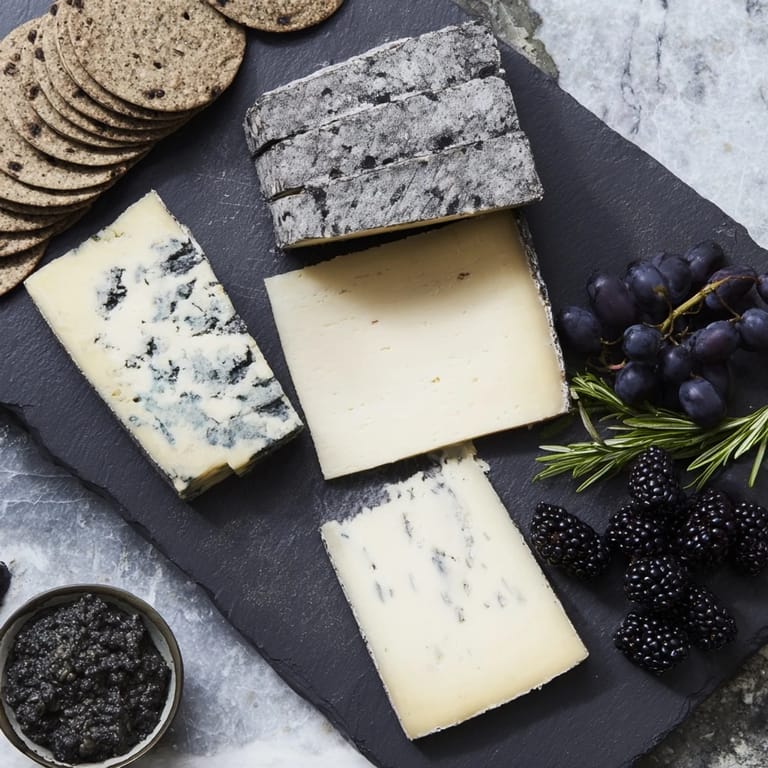
- Slice your Morbier, Humboldt Fog, and Valdeon with deliberate, confident cuts. Let each cheese have its own moment. The Morbier looks stunning when you can see that ash layer clearly, so cut thicker slices. For the Humboldt Fog, thinner slices let the light play off its delicate exterior. The Valdeon can be cut into wedges to show off those beautiful blue-gray veins. Arrange them in separate sections across the board, leaving breathing room between each group.
- Build the framework:
- Now add your crackers and bread, fanning them out in small, elegant stacks. Think of them as the pillars that hold up the whole composition. The dark crackers should stand out just slightly against the board, creating depth. Don't crowd them—spacing is what makes this feel sophisticated rather than cluttered.
- Add the jewels:
- Scatter your black grapes, sliced plums, and berries into the gaps and around the cheeses. These are the moments of surprise when someone reaches for something unexpected. Place them thoughtfully, almost like you're painting with them. The dark fruit against dark cheese creates this beautiful visual weight that pulls everything together.
- Finish with intention:
- Spoon your black olive tapenade into a small dark bowl or directly onto the board—I prefer the bowl because it gives people a clear landing spot and it looks intentional. Sprinkle just a pinch of edible charcoal salt over the cheeses. This isn't about covering them; it's about adding a whisper of extra flavor and catching the light.
- The final touch:
- If you're using rosemary or thyme, add just a sprig or two. You want the green to feel like a surprise accent, not like part of the main composition. Step back and look at your board. If it feels balanced and has a natural flow, you're done. If something feels empty, add a few more berries. Trust your eye.
 Pin It
 The real magic happened when my neighbor tried this board for the first time and said, "This tastes expensive." It made me realize that presentation isn't just about looking good—it changes how people experience the food. Suddenly, the same cheeses they'd had a hundred times tasted special because they were invited to slow down and notice them.
Wine Pairing and the Perfect Moment
Serve this board with a glass of malbec or a smoky pinot noir, and you've created something that transcends appetizer status. The wine bridges the gap between the creamy cheeses and the sharp blue, making each flavor more interesting. I've learned that the pairing is almost as important as the board itself—it transforms a snack into an experience. That smoky wine against the charcoal flavors feels like they were made for each other.
The Art of Substitution
If you can't find the exact cheeses, don't panic. The magic of this board is the monochrome concept, not the specific names on the label. Any ash-rinded cheese, any gray-veined blue, any creamy cheese with a silvery exterior will work. I've done this with local farmstead cheeses that were equally stunning. The real lesson is to visit your local cheese counter and ask for their recommendations based on color and flavor. Cheesemongers love this kind of challenge and often point you toward hidden gems you wouldn't have found otherwise.
Creating Your Monochrome Moment
The discipline of staying monochrome is harder than it sounds, but it's where the sophistication lives. When you resist the urge to add bright colors, you force yourself to think about texture, shape, and depth. A perfectly ripe blackberry becomes more interesting than it has any right to be. The variation in stone textures stands out. The subtle color differences between the cheeses become apparent. This is minimalism at its finest, and it's a reminder that sometimes less really is more.
- If you're short on time, you can assemble this board up to 4 hours ahead—just cover it loosely with plastic wrap and keep it cool
- Always serve with small cheese knives and small plates; let people build their own combinations rather than dictating bites
- The moment people start reaching for the board is the moment you know you've succeeded, so step back and let them enjoy the discovery
 Pin It
 Every time I make this board, I'm reminded that the best entertaining isn't about complicated techniques or exotic ingredients—it's about caring enough to create something thoughtful and beautiful. This monochrome cheese board is my love letter to that idea.
Questions About This Recipe
- → What types of cheese work best for this board?
Ash-rinded semi-soft cheeses like Morbier, ash-ripened goat cheeses such as Humboldt Fog, and blue cheeses with gray veining provide the ideal texture and color for this monochrome theme.
- → Which breads and crackers complement this platter?
Slate-colored charcoal crackers and dark rye or pumpernickel bread stacks enhance the visual tone while offering varied textures.
- → How can I maintain the monochrome aesthetic with garnishes?
Use dark fruits like black grapes, plums, blackberries, or blueberries and sprinkle edible charcoal salt; fresh rosemary or thyme add contrast without breaking the color scheme.
- → Can this board be prepared ahead of time?
For best freshness and presentation, assemble just before serving, especially to keep crackers crisp and fruits fresh.
- → What drinks pair well with this arrangement?
Try smoky pinot noir or a glass of malbec to accentuate the rich, earthy flavors of the cheeses and dark accouterments.