 Pin It
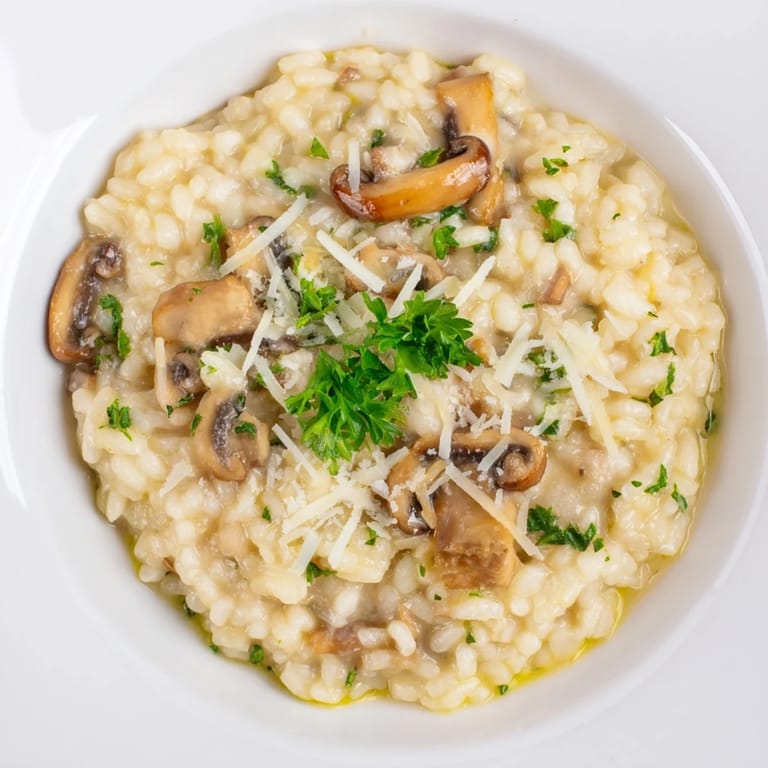
 I discovered risotto on a rainy Tuesday when my neighbor dropped off a container of cremini mushrooms from his garden. My kitchen filled with their earthy smell the moment I sliced them, and something about that aroma made me want to cook something warm and unhurried. That first time, I stirred and stirred, watching the rice slowly transform into something creamy and luxurious, and I understood why Italians take their time with this dish. Now whenever I make risotto, that same patient rhythm comes back to me.
The first time I served this to friends who claimed they "didn't really like rice dishes," I watched their faces change with the first spoonful. One of them asked for seconds before finishing her first bowl, and someone joked that I'd somehow made risotto taste like butter clouds. That dinner taught me that risotto isn't about the rice—it's about the care you put into each stir.
Ingredients
- Arborio rice: This short-grain rice releases starch as it cooks, creating that signature creamy texture without cream. I learned to never rinse it beforehand, no matter what instinct tells you.
- Cremini or button mushrooms: Cook them first until they're golden and their moisture evaporates, which concentrates their flavor and keeps them from watering down your risotto.
- Yellow onion and garlic: The aromatic foundation that tastes like home the moment they hit the pan.
- Vegetable broth: Keep it warm in a separate pot so each addition doesn't shock the rice into stopping its cooking.
- Dry white wine: It cuts through the richness and adds a brightness that makes everything taste intentional.
- Butter and Parmesan: The final additions that transform risotto from good to unforgettable—I learned never to skip the finishing butter.
Tired of Takeout? 🥡
Get 10 meals you can make faster than delivery arrives. Seriously.
One email. No spam. Unsubscribe anytime.
Instructions
- Sauté your mushrooms first:
- Heat the olive oil and butter together in your pan until they're foaming, then add the sliced mushrooms in a single layer. Listen for that satisfying sizzle, and don't stir them for the first few minutes—you want that golden crust. Once the liquid they release has evaporated and they're turning golden, pull them out and set them aside. This usually takes 6 to 8 minutes, and resisting the urge to taste one is harder than it should be.
- Build your aromatics:
- In the same pan, melt whatever butter is left with the oil and add your chopped onion. Stir occasionally until it turns translucent and sweet, about 3 minutes. Add the minced garlic and cook for just 1 minute more—you want it fragrant, not brown.
- Toast the rice:
- Stir the Arborio rice into the onions and garlic, stirring constantly for about 2 minutes. You'll notice the rice grains start to look slightly translucent at their edges, which means they're ready to absorb liquid.
- Deglaze with wine:
- Pour in the white wine and stir until it's mostly absorbed into the rice. This only takes a couple of minutes, and it adds a subtle complexity that lingers in every bite.
- Add broth, ladle by ladle:
- Begin adding your warm broth one ladleful at a time, stirring frequently so the rice releases its starch gradually. Wait until most of each addition is absorbed before adding the next—this is where patience becomes your best tool. Keep tasting as you go, and stop adding broth once the rice is creamy and tender but still has a slight firmness when you bite it, usually around 18 to 20 minutes. The whole kitchen will smell like heaven by now.
- Finish with luxury:
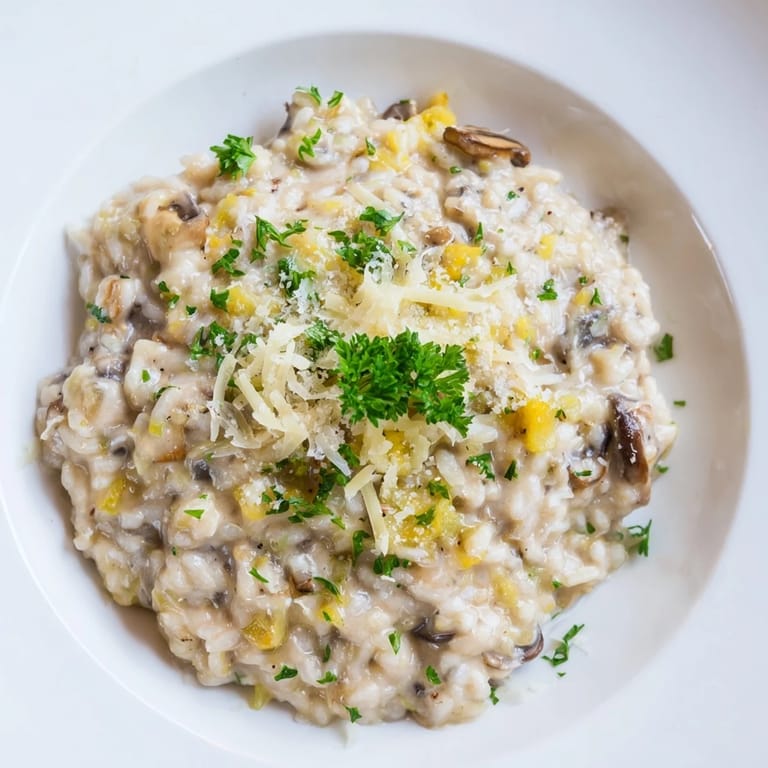
- Stir in your reserved mushrooms, the 2 tablespoons of cold butter, and the Parmesan cheese, then season with salt and pepper. Let it cook for 2 more minutes, stirring gently, then taste and adjust. The butter should make everything glossy and the cheese should dissolve into the rice, creating a sauce rather than sitting on top.
 Pin It
 My favorite risotto moment happened on a winter evening when the power went out and I had to finish cooking it by candlelight. Stirring that creamy rice with a wooden spoon while flames danced on the walls made the whole experience feel almost ceremonial, like I was cooking something ancient and meaningful instead of just dinner.
Choosing Your Mushrooms
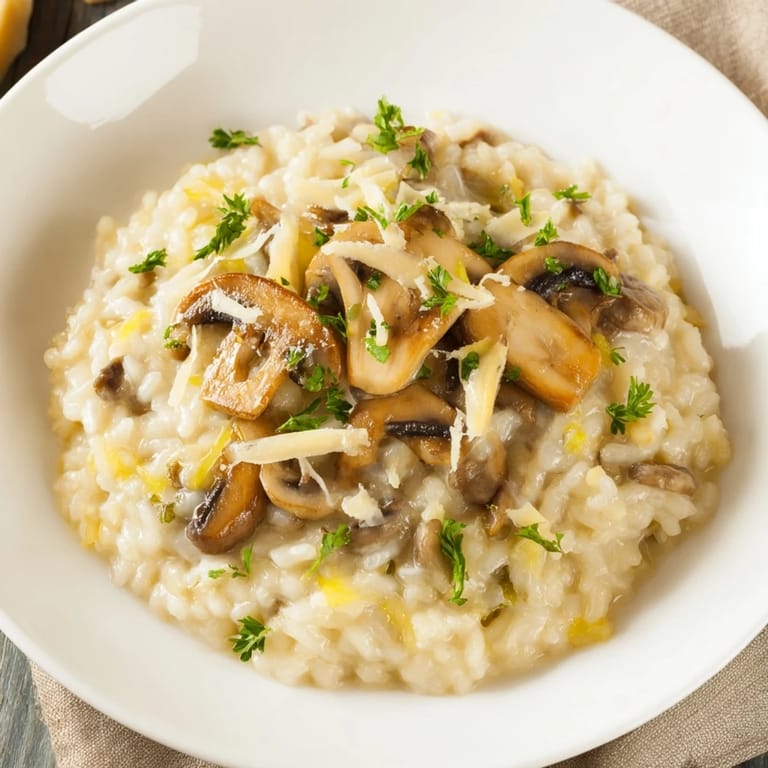
Cremini mushrooms give you reliable earthiness, but once you start experimenting with wild varieties, you'll understand why my neighbor keeps gardening. Porcini, shiitake, or oyster mushrooms each bring their own character to this dish. I've learned that mixing two or three types creates a depth that keeps you coming back to the bowl just to identify each flavor.
The Broth Question
Vegetable broth is the vegetarian choice that's worth honoring, but there's no food police if you want to use chicken broth instead. The flavor profile shifts slightly toward the savory, and some people swear it tastes richer. I find the vegetable version lets the mushrooms and cheese shine without competing for attention, which feels right for a dish this elegant.
Making It Your Own
The beauty of risotto is how it welcomes additions without losing its soul—I've added roasted asparagus in spring, sun-dried tomatoes when I'm feeling dramatic, and fresh peas near the very end for pops of color and sweetness. Think of the basic recipe as a canvas rather than a rule book, and remember that the technique matters far more than the exact ingredients.
- Fresh parsley scattered on top adds brightness and a gentle herbal note that balances the richness.
- A crack of fresh black pepper right before serving reminds you that simplicity can be sophisticated.
- Save some of that reserved warm broth to loosen the risotto if it tightens up while sitting—it happens and it's fixable.
 Pin It
 Risotto teaches you that sometimes the most comforting food comes from slowing down and paying attention, one stir at a time. It's a dish that fills you up in more ways than one.
Questions About This Recipe
- → What type of rice is best for risotto?
Arborio rice is ideal for risotto due to its high starch content, which creates a creamy texture without becoming mushy.
- → Can different mushrooms be used in this dish?
Yes, a variety of mushrooms like cremini, button, or wild blends can be sautéed to add rich, earthy flavors.
- → Why is broth added gradually during cooking?
Adding warm broth ladle by ladle allows the rice to slowly absorb liquid, releasing starch to develop a smooth, velvety consistency.
- → How important is stirring during preparation?
Frequent stirring prevents the rice from sticking and helps evenly release starch, essential for the creamy texture characteristic of risotto.
- → What alternatives exist for enhancing flavor without wine?
White wine adds acidity and depth, but you can substitute with a splash of lemon juice or extra broth for similar subtle brightness.