 Pin It
 I'll never forget the evening I discovered the magic of wine-stained cheese boards. A friend brought a bottle of Pinot Noir to dinner and casually mentioned she'd been experimenting with cheeses soaked in red wine. Skeptical at first, I watched as she arranged them around an empty bottle like edible jewels catching the light. One taste of that drunken goat cheese, and I was completely won over. The wine had transformed everything it touched into something deeper, richer, more mysterious. That night, I knew I had to master this beautiful board.
I made this board for my sister's book club last spring, and I watched something unexpected happen. The women kept returning to it between chapters, not just for bites, but because it felt like an invitation to slow down and savor. By the end of the evening, the board had become the real star, and I realized that cheese and wine aren't just food—they're a way of creating moments that linger.
Ingredients
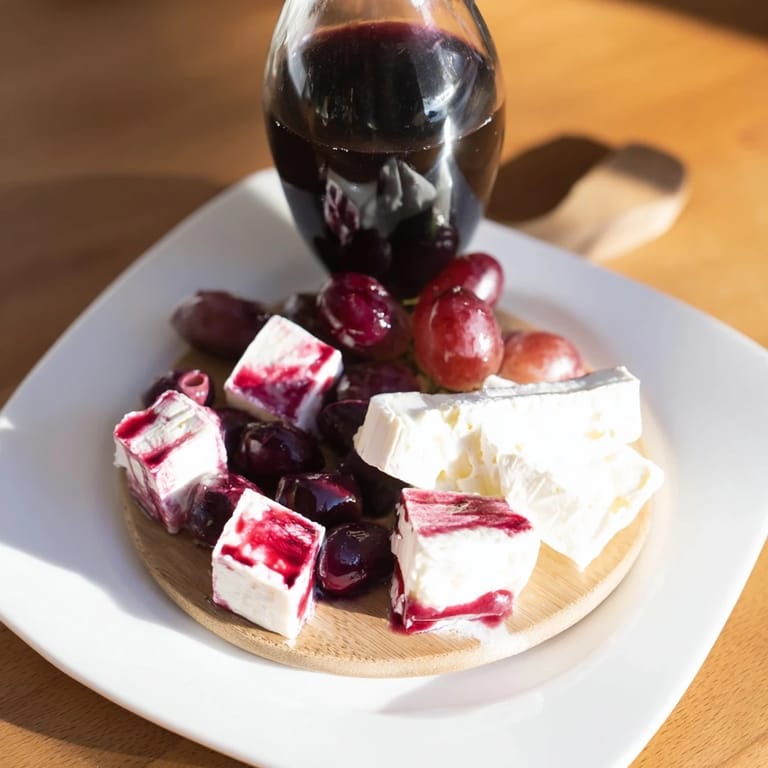
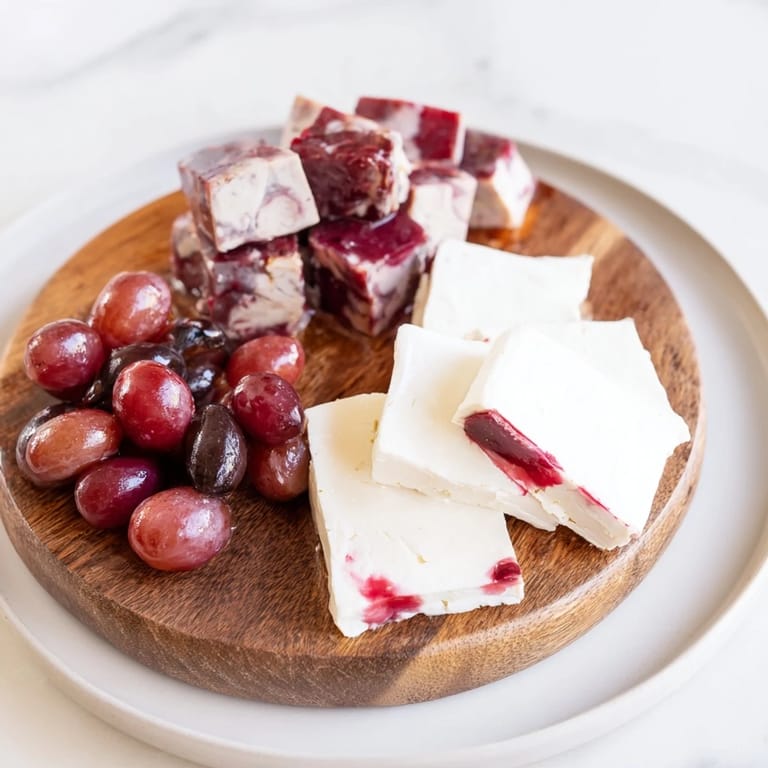
- Drunken Goat Cheese (200g, red wine-soaked and sliced): This is your foundation, creamy and slightly tangy, transformed by wine into something almost velvety. The wine mellows its sharpness and adds a subtle berry undertone that keeps people coming back for more.
- Red Wine BellaVitano (150g, cubed): A hard cheese that absorbs wine like a sponge, becoming firmer yet more flavorful. I cube it because the exposed surfaces catch light beautifully and invite people to pick and taste.
- Red Wine-Cured Salami (100g, thinly sliced): The wine cure adds a jewel-like color and a subtle sweetness that balances salt. Fan it loosely so guests can see its marbled beauty.
- Prosciutto (80g, torn into ribbons): Keep this optional, but if you use it, tear rather than slice so it creates an airy, elegant texture that looks generous without being heavy.
- Red Wine Jelly (1/2 cup): This is your glossy punctuation mark, the thing that catches light and makes people ask, 'What is that?' Its jewel-like appearance and bright wine flavor tie everything together.
- Red Wine-Poached Grapes (1/2 cup): Sweet and slightly boozy, they offer a refreshing pause between savory bites. Simmer seedless red grapes in dry red wine with sugar and cinnamon for 10 minutes, then cool completely.
- Red Wine-Infused Dried Cherries (1/4 cup): These add chewy bursts of concentrated fruit flavor and a touch of elegance that makes the board feel intentional.
- Red Wine-Marinated Olives (1/3 cup, kalamata or green): The wine marinade adds complexity and ensures even your olives are part of the wine-soaked story. Choose a mix of colors for visual contrast.
- Baguette (1 small, sliced): Toast these lightly if you'd like them crunchier, or serve them soft—the board works either way. Fresh bread is always preferable.
- Red Wine and Rosemary Crackers (1 cup): These echo the wine and herb theme throughout the board, creating a sense of intention in every detail.
- Fresh Rosemary Sprigs: Use these both as garnish and aroma—their woodsy fragrance complements wine perfectly and invites people to lean in closer.
- Edible Flowers (optional): A handful of pansies or violas add unexpected color and remind everyone that beauty matters as much as taste.
Tired of Takeout? 🥡
Get 10 meals you can make faster than delivery arrives. Seriously.
One email. No spam. Unsubscribe anytime.
Instructions
- Set Your Stage:
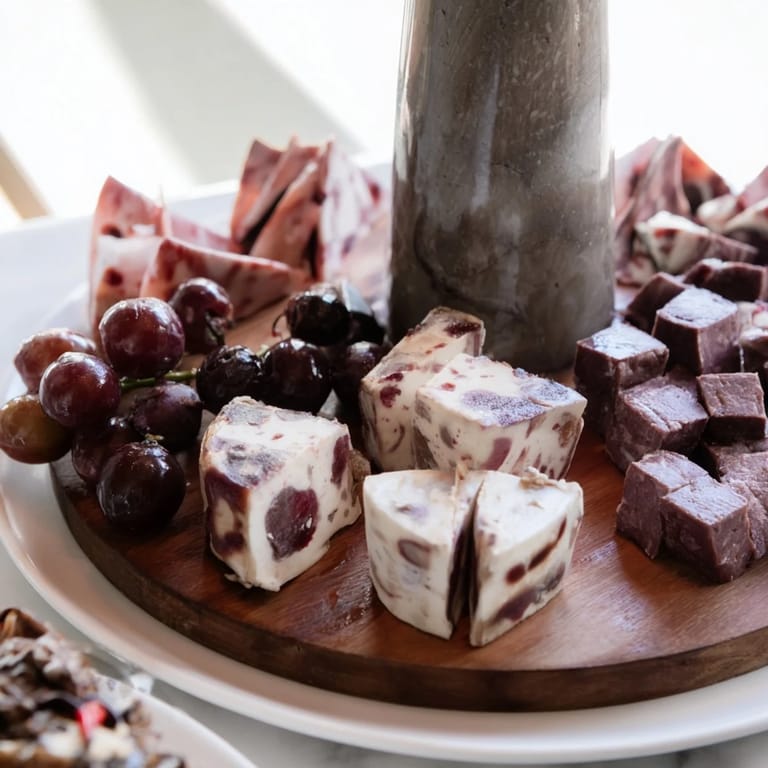
- Place your empty wine bottle at the very center of a large wooden board. The bottle should feel intentional, like a sculpture. Step back and look at it. This is your anchor, and everything else will radiate outward from here. If the label feels too casual, peel it off completely—the clean glass is more dramatic.
- Build Your Cheese Foundation:
- Arrange sliced drunken goat cheese and cubed red wine BellaVitano around the base of the bottle, letting some pieces lean casually against it. Don't arrange them in a circle like soldiers—think instead of how petals naturally scatter. The goal is abundance with intention. Leave some breathing room so colors can pop.
- Layer Your Proteins:
- Fan out the red wine-cured salami in small loose piles, then nestle the prosciutto ribbons beside it. These don't need to be perfect—in fact, slight disarray looks more elegant and inviting. The wine colors in the salami should catch the light.
- Scatter Your Jewels:
- This is where your board comes alive. Spoon the red wine jelly into a small bowl and nestle it among the cheeses. Then scatter your poached grapes, infused cherries, and marinated olives throughout, creating little flavor clusters. Think of how a river distributes stones—some areas denser, others more open.
- Add Bread and Crackers:
- Arrange slices of baguette in arcs and wine crackers in casual lines where they're easy to grab. These are the map your guests will follow, the invitation to taste. Leave them slightly propped rather than lying flat, so they feel like part of the art.
- Garnish with Intention:
- Tuck fresh rosemary sprigs between cheeses and scatter edible flowers if you're using them. This final step transforms arrangement into landscape. Stand back, adjust what feels off, then trust your eye.
- Serve and Invite:
- Bring the board to the table with confidence. Encourage people to mix and match, to taste the wine note running through everything. This is a board meant for lingering, for conversation, for making memories.
 Pin It
 There was a moment at my sister's dinner when someone picked up a piece of drunken goat cheese, closed their eyes, and just smiled. That's when I understood—this isn't just about cheese and wine. It's about creating permission for people to slow down, to notice flavors, to feel like they're part of something thoughtfully made.
The Wine Story You're Telling
Every element on this board speaks the language of red wine. The cheese has been baptized in it, the cured meats have been kissed by it, the fruit has been poached in it. When you serve this board, you're not just serving food—you're inviting people into a narrative where wine is the main character and everything else is a supporting cast that's been transformed by its presence. The empty bottle at the center isn't just decoration; it's a reminder that wine is both the hero and the canvas.
Making This Board Your Own
The beauty of a wine-stained board is that it's endlessly adaptable while maintaining its essential character. If you can't find drunken goat cheese, look for Ubriaco Rosso or any cheese marketed as wine-soaked—the principle is what matters. Red wine–soaked cheeses exist because wine and cheese were meant to meet, and most good cheese mongers understand this. For a vegetarian variation, simply remove the salami and prosciutto, add an extra handful of nuts (candied walnuts work beautifully), or include some wine-marinated mushrooms for umami depth. The board will be just as stunning.
Timing and Temperature Wisdom
Cheese tastes best when it's not ice-cold, so take your board out of the refrigerator about 30 minutes before serving. This lets the flavors soften and bloom. The wine jelly should be just set, not completely firm—slightly glossy is more beautiful than rigid. If your house is warm, keep the board cool until the last moment, then bring it out when your guests arrive. The contrast between cool cheese and room temperature is actually ideal; it lets flavors unfold slowly as they eat.
- Assemble no more than 2 hours before serving to preserve the perfect texture and prevent flavors from becoming muddled
- Always have a small cheese knife available for those pieces that need slicing, and clean it between cheeses so flavors don't blur together
- The most elegant boards have breathing room—resist the urge to fill every gap, as white space makes colors and textures stand out
 Pin It
 A beautiful cheese board isn't about perfection—it's about invitation. It says, 'Welcome. Stay a while. Taste this.' When everything on your board has been touched by wine, you're creating more than a spread; you're creating an experience. That's the real magic.
Questions About This Recipe
- → How do you make red wine-poached grapes?
Simmer seedless red grapes in dry red wine with sugar and a cinnamon stick for 10 minutes, then cool before serving.
- → Can I substitute the cheeses used on the board?
Yes, any red wine-soaked cheese like Ubriaco Rosso or similar varieties work well.
- → How can this board be adapted for vegetarians?
Omit the cured meats and add extra cheeses or roasted nuts to maintain flavor variety.
- → What types of crackers are recommended?
Wine and rosemary crackers complement the board’s flavors, adding subtle herbaceous notes.
- → How should the board be arranged for best presentation?
Place a cleaned empty wine bottle at the center, arranging cheeses and meats around its base for an eye-catching effect.
- → What wines pair well with this board?
Fruity, medium-bodied reds such as Pinot Noir or Merlot enhance the tasting experience.