 Pin It
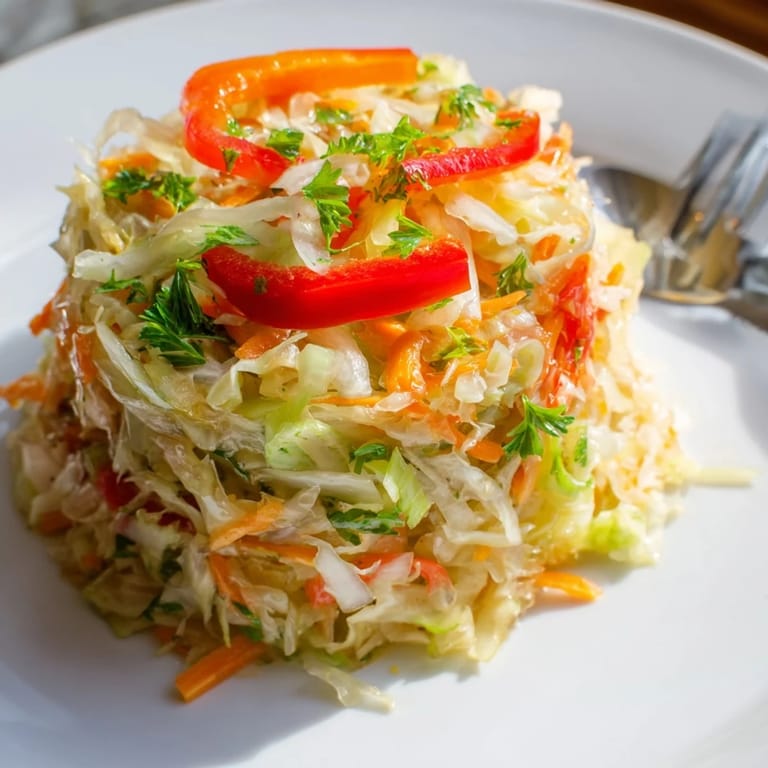
 I stumbled onto this combination during a summer BBQ when I realized I had way more sauerkraut than hot dog buns. The fermentation tang cutting through crisp fresh vegetables was such a happy accident that guests started asking for the jar name instead of the brand of sausages we served. Now it lives in my fridge rotation as the quick side dish that somehow tastes like it took all day to figure out.
My German neighbor leaned over the fence one afternoon while I was making this, nodding approvingly at the bowl. She told me her grandmother would mix leftover kraut with whatever fresh vegetables needed using up, calling it poverty food that rich people now pay too much for at restaurants. I love how something so humble can feel so special on the table.
Ingredients
- Sauerkraut: The fermented base brings that signature tang and beneficial bacteria for gut health. Drain it well but resist the urge to rinse unless you prefer a milder flavor profile.
- Green cabbage: Fresh shredded cabbage adds sweetness and texture contrast to the fermented kraut. A sharp knife or mandoline makes quick work of those thin ribbons.
- Carrot: Grated carrot contributes natural sweetness and vibrant color that makes the slaw visually appealing. The finer the grate, the better it integrates into the mixture.
- Red bell pepper: Thin slices provide crisp texture and a pop of red against the pale vegetables. Any color bell pepper works beautifully here.
- Green onions: Both white and green parts add mild onion flavor without the harsh bite of raw onion. Slice them thin so they distribute evenly throughout.
- Fresh parsley: Bright herbs lift the heavier fermented flavors and add freshness. Cilantro or dill work as lovely substitutes if parsley feels too traditional.
- Extra-virgin olive oil: A quality olive oil creates the silky foundation that carries all the other flavors. The peppery finish of really good oil adds another dimension.
- Apple cider vinegar: Additional acid brightens the dressing and complements the natural fermentation tang. Raw ACV adds another layer of probiotic benefits.
- Dijon mustard: The emulsifier that helps oil and vinegar come together into a cohesive coating. Choose a good quality mustard with some actual bite to it.
- Maple syrup or honey: Just enough sweetness to balance all the acid and fermentation tang without making the slaw cloying. Maple keeps it vegan while honey adds floral notes.
- Black pepper: Freshly cracked pepper adds subtle heat and complexity that makes the flavors pop. A quarter teaspoon might seem small but it makes a noticeable difference.
Tired of Takeout? 🥡
Get 10 meals you can make faster than delivery arrives. Seriously.
One email. No spam. Unsubscribe anytime.
Instructions
- Combine your vegetables:
- In a large mixing bowl, add the drained sauerkraut, shredded cabbage, grated carrot, sliced bell pepper, green onions, and chopped parsley. Toss them together gently so all the colors get distributed evenly throughout the bowl.
- Whisk the dressing:
- In a small bowl, combine the olive oil, apple cider vinegar, Dijon mustard, maple syrup, black pepper, and a pinch of salt. Whisk vigorously until the mixture thickens slightly and becomes opaque, about thirty seconds of enthusiastic whisking.
- Bring it together:
- Pour the dressing over the vegetables and toss everything thoroughly until every piece is lightly coated. The mixture should glisten slightly without drowning in liquid.
- Taste and adjust:
- Take a small bite and consider whether it needs more salt or an extra splash of vinegar. Remember that flavors will mellow slightly as the slaw sits, so do not be afraid if it seems a little bright at first.
- Let it rest:
- Let the slaw sit at room temperature for at least ten minutes before serving, which allows the cabbage to soften slightly and all the flavors to get acquainted. It keeps well in the refrigerator for several days and actually develops more complexity overnight.
 Pin It
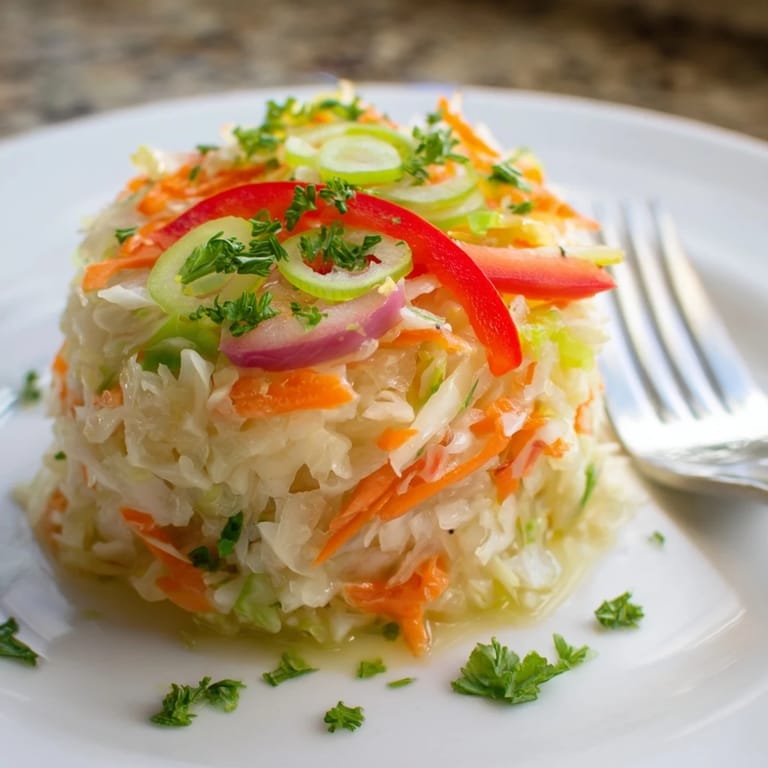
 During a particularly busy week, I made a triple batch and found myself eating it straight from the container with a fork for breakfast. The tangy crunch somehow wakes up your palate better than coffee some mornings, and I love knowing I am starting the day with something that genuinely loves my gut back.
Making It Your Own
Thinly sliced radishes or fennel bulb add incredible crunch and a slight peppery bite that plays beautifully with the fermented cabbage. Toasted sunflower seeds or pumpkin seeds sprinkled on top create the most satisfying texture contrast, almost like a crouton but without the heaviness.
Serving Suggestions
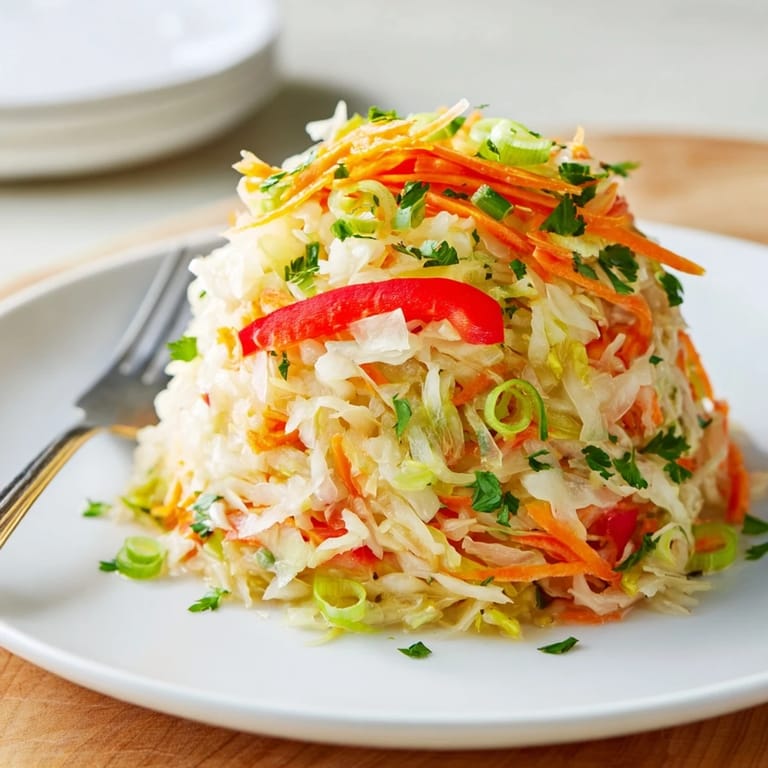
This slaw shines alongside grilled sausages, fish, or as a bright topping on hearty sandwiches. The acidity cuts through rich foods perfectly, making it an ideal companion for anything that needs a little something to balance the heaviness.
Storage and Timing
The slaw keeps well in the refrigerator for four to five days and continues to develop more complex flavors as it marinates. The vegetables will soften slightly but maintain enough crunch to stay interesting.
- Use 100% fermented sauerkraut from the refrigerated section for maximum probiotic benefit
- If you only have canned kraut, give it a quick rinse to reduce excess salt
- Let it come to room temperature for about twenty minutes before serving for the best flavor
 Pin It
 Every time I serve this, someone asks for the recipe, surprised that something so simple could taste so thoughtfully balanced. The combination of ancient preservation methods and fresh vegetables somehow feels like wisdom passed down through generations.
Questions About This Recipe
- → How long does this slaw keep in the refrigerator?
The slaw stays fresh for 3-5 days when stored in an airtight container. The flavors actually develop and meld better after a day, making it excellent for meal prep.
- → Can I make this without sauerkraut?
You can substitute with finely shredded green cabbage, though you'll lose the tangy probiotic benefits. Consider adding extra apple cider vinegar to maintain the zesty flavor profile.
- → What vegetables work best in this slaw?
Green cabbage, carrots, and bell peppers provide excellent crunch and color. Radishes, fennel, or kohlrabi also work wonderfully for added texture and variety.
- → Is this suitable for meal prep?
Absolutely. The vegetables hold their texture well and the dressing prevents wilting. Make a batch on Sunday and enjoy throughout the week as a quick side dish.
- → What main dishes pair well with this slaw?
This complements grilled sausages, bratwurst, fish, chicken, or pork. It also adds excellent crunch and flavor when piled onto sandwiches or served alongside hearty stews.
- → Can I use different sweeteners in the dressing?
Maple syrup works beautifully for vegans, while honey adds depth. Agave nectar or a pinch of brown sugar are also great alternatives that balance the tangy vinegar.