 Pin It
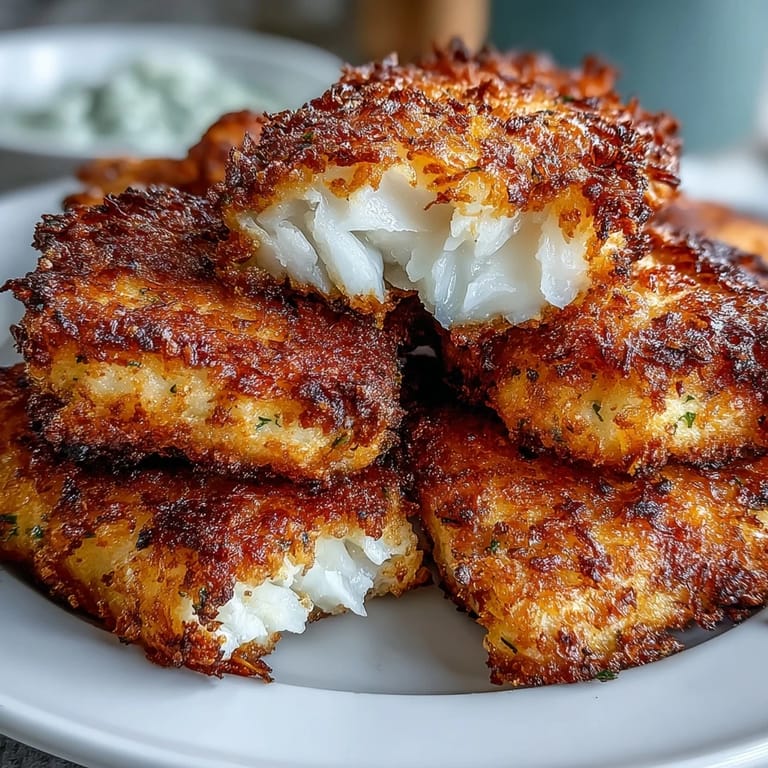
 My uncle's kitchen on a Saturday afternoon smelled like hot oil and something I couldn't quite name until the first golden catfish fillet emerged from the skillet. He never followed a recipe, just moved with the confidence of someone who'd fried fish a hundred times, and somehow I ended up standing beside him with flour dust on my apron, learning that crispy doesn't mean burnt and that buttermilk does something almost magical to fish. Years later, I make this dish and that kitchen feeling comes right back, along with the sound of his laughter when I accidentally splashed hot oil on the stove.
I made this for friends who'd never had proper Southern fried catfish, and watching their faces light up when they tasted that remoulade was worth every minute at the stove. One person asked for the recipe immediately, then admitted she'd been intimidated by fried food until that moment. Now she calls me whenever she needs catfish advice, which somehow feels like the highest compliment a cook can receive.
Ingredients
- Catfish fillets: Six ounces each keeps them from drying out while the coating gets properly golden, and the mild flavor lets those Southern spices shine without competing.
- Buttermilk: This isn't just for tenderness, it's also your insurance policy against tough, rubbery fish that nobody wants on their plate.
- Hot sauce: Just a teaspoon in the marinade gives you background heat without drowning the subtle catfish flavor.
- Yellow cornmeal: It delivers that authentic crunch that all-purpose flour alone could never achieve, no matter how high you crank the heat.
- All-purpose flour: Helps the cornmeal stick and creates a lighter, less dense crust than cornmeal solo.
- Paprika, garlic powder, onion powder: This trio builds flavor that makes people ask what your secret seasoning is.
- Cayenne pepper: Half a teaspoon is the right amount for warmth that lingers without taking over.
- Mayonnaise: The creamy base for remoulade, though splurging on a good quality version really does matter here.
- Dijon mustard: Brings sophistication and a subtle tang that balances the richness.
- Prepared horseradish: This is what catches people off guard in the best way when they taste that first spoonful of sauce.
- Sweet pickle relish: Adds a touch of sweetness and briny punch that keeps the sauce interesting.
- Fresh lemon juice: Never bottled, always fresh—it's the difference between sauce that tastes alive and sauce that tastes flat.
- Smoked paprika: Different from the regular paprika in the coating, this adds depth to the remoulade.
- Fresh parsley: Just a tablespoon, but it brightens everything and reminds you that this sauce comes from actual human hands, not a factory.
Tired of Takeout? 🥡
Get 10 meals you can make faster than delivery arrives. Seriously.
One email. No spam. Unsubscribe anytime.
Instructions
- Build your marinade:
- Whisk buttermilk with hot sauce in a shallow dish, then lay your catfish fillets in there and let them swim for at least fifteen minutes. This step matters more than you'd think, so resist the urge to skip it even when you're hungry.
- Mix the coating:
- Combine cornmeal, flour, paprika, garlic powder, onion powder, cayenne, salt, and black pepper in another dish. The smell of those spices together is already telling you this will be good.
- Heat your oil:
- Pour about an inch of vegetable oil into a deep skillet or Dutch oven and bring it to 350°F, where a tiny pinch of flour will sizzle immediately but not frantically. Use a thermometer if you have one, because guessing is how you end up with pale, greasy fish.
- Coat with confidence:
- Pull each marinated fillet from the buttermilk and let the excess drip off, then press it gently into the cornmeal mixture on both sides. This isn't the time to be timid—you want that coating to stick, but light pressing works better than aggressive patting.
- Fry in batches:
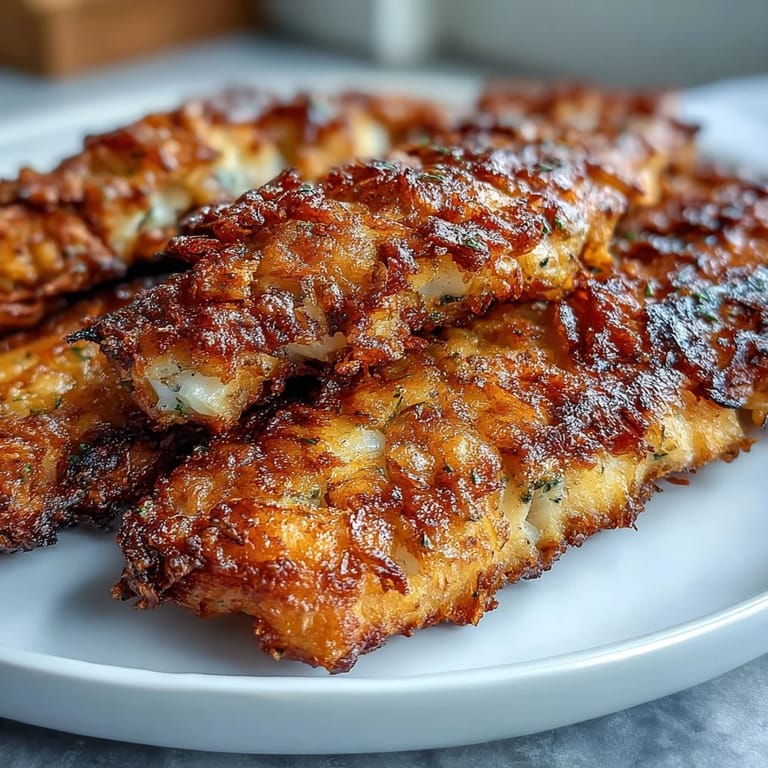
- Lay your coated fillets into the hot oil, giving them room to breathe and cooking three to four minutes per side until they're golden brown and you can see the flesh turning opaque at the edges. Don't crowd the pan or the temperature crashes and you end up with soggy disappointment.
- Drain properly:
- Transfer each fried fillet to a paper towel-lined plate immediately, which soaks up excess oil and keeps them from sweating in a puddle of grease. A slotted spoon makes this easier and keeps you from burning yourself on splashing oil.
- Make your remoulade:
- Stir together mayonnaise, Dijon mustard, horseradish, hot sauce, pickle relish, lemon juice, minced garlic, smoked paprika, and parsley in a bowl, then taste and adjust salt and pepper. This sauce gets better if you make it while the fish is still frying, giving the flavors time to get to know each other.
 Pin It
 There's a moment right after you pull the last fillet from the oil when the whole kitchen smells like celebration, like something worth sitting down for. That's when you know you've done it right.
The Double-Dip Secret
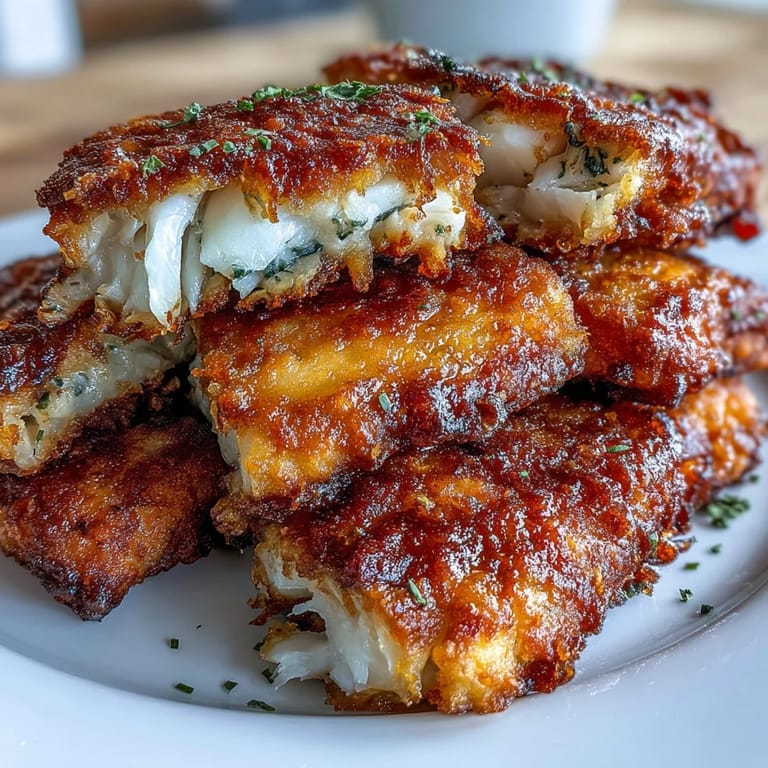
If you want catfish that's almost dangerously crispy, take a coated fillet and dip it back into the buttermilk, then coat it again with the cornmeal mixture before frying. The extra layer creates a shell that shatters like glass, though you need to watch your oil temperature like a hawk because it'll drop faster than you'd expect.
What to Serve Alongside
Fried catfish lives best with companions that contrast or complement its richness. Coleslaw cuts through with acid and crunch, hush puppies add another form of fried comfort, and creamy grits provide a soft landing pad that feels indulgent without overwhelming the fish itself.
Beyond the Classic
This recipe works brilliantly with tilapia or cod if catfish isn't available in your area, though catfish really is worth hunting for because of its mild, sweet character. The coating technique itself is flexible, too—I've played with seasoned panko for extra texture and even substituted cornmeal with ground pecans for something richer. The remoulade stays the same either way, because some things shouldn't be tinkered with.
- Always use fresh oil or oil that's been strained clean, because old oil tastes bitter and ruins everything.
- Serve the remoulade at room temperature or it loses some of its punch and brightness.
- Leftover remoulade keeps in the refrigerator for a week and transforms plain sandwiches into something worth remembering.
 Pin It
 This is the kind of dish that brings people to the table and keeps them there talking long after the plates are empty. Make it for people you love, or make it for yourself on a Tuesday when you deserve something special.
Questions About This Recipe
- → How do I achieve a crispy coating on fried catfish?
Marinate fillets in a spiced buttermilk mixture to tenderize, then dredge twice in the seasoned cornmeal blend before frying for extra crunch.
- → What oil is best for frying catfish?
Use vegetable oil heated to 350°F (175°C) to ensure even cooking and a crispy exterior without greasiness.
- → Can I substitute catfish with other fish types?
Tilapia or cod make excellent alternatives, offering a similar texture and flavor profile when prepared the same way.
- → What flavors are in the remoulade sauce?
The remoulade combines mayonnaise, Dijon mustard, horseradish, hot sauce, pickle relish, lemon juice, smoked paprika, and fresh parsley for a bright, tangy complement.
- → What side dishes pair well with fried catfish?
Classic Southern sides like coleslaw, hush puppies, or creamy grits enhance the meal and balance the crisp catfish.