 Pin It
 There's something about the smell of butter hitting a hot pan that makes everything feel possible, even on the kind of Tuesday when I'd rather order delivery. I discovered this Turkish pasta almost by accident, standing in my kitchen with a tub of Greek yogurt, some paprika, and the sudden need for something that didn't taste like defeat. What emerged was pure comfort: silky, garlicky, with that hit of spiced butter that somehow feels both humble and luxurious.
I made this for my friend Naz one rainy evening, and watching her face light up when she tasted that first forkful—yogurt melting into the pasta, paprika butter pooling beneath—made me realize food doesn't always have to be complicated to feel special. She asked for the recipe before she'd even finished her plate, which I took as the highest compliment.
Ingredients
- Dried pasta (400 g): Tagliatelle or spaghetti work beautifully here, though any long pasta will catch the butter and yogurt nicely. Cook it to that perfect al dente point where it still has a gentle resistance when you bite it.
- Greek yogurt (400 g, full-fat): Full-fat is essential—it's richer and won't split when it meets the heat. This is the creamy base that makes everything else shine.
- Garlic (2 cloves): Mince it finely so it distributes evenly through the yogurt, creating little pockets of garlicky goodness in every bite.
- Salt: You'll need it for the pasta water and the yogurt mixture. Taste as you go.
- Lemon juice (1 tbsp): Optional, but it adds a subtle brightness that lifts the whole dish.
- Unsalted butter (60 g) and olive oil (1 tbsp): Together they create the richest, most fragrant base for your spices.
- Sweet paprika (1 1/2 tsp): This is where the magic happens—when it hits the hot fat, it transforms into something deeply aromatic and vibrantly colored.
- Chili flakes (1/2 tsp): Adjust based on how much heat you want. I learned this the hard way after accidentally doubling it once.
- Ground cumin (1/4 tsp): Optional, but it adds an earthy warmth that feels authentically Turkish.
- Fresh dill or parsley: The final flourish that adds freshness and a hint of herbal brightness.
- Black pepper: Freshly ground, always.
Tired of Takeout? 🥡
Get 10 meals you can make faster than delivery arrives. Seriously.
One email. No spam. Unsubscribe anytime.
Instructions
- Get your pasta water ready:
- Bring a large pot of salted water to a rolling boil. The water should taste like the sea. Cook your pasta until it's al dente—tender but with that slight firmness when you bite through it. Don't overcook it; it'll keep softening after you drain it.
- Prepare the cooling yogurt base:
- While the pasta cooks, mix your Greek yogurt with the finely minced garlic, salt, and lemon juice in a bowl. Let it sit at room temperature so it's not a shock when the hot pasta hits it.
- Bloom your spices in fat:
- In a small saucepan over medium heat, melt the butter with olive oil. Once it's foaming gently, add your paprika, chili flakes, and cumin. Watch as the paprika deepens from bright red to rich orange-red, and let the whole pan fill with that intoxicating aroma. It should sizzle gently for about a minute until you can almost taste the fragrance.
- Bring everything together:
- Drain the pasta, reserving a quarter cup of that starchy water. Toss the pasta with the reserved water to loosen it up and make it silky. Divide among serving plates or shallow bowls.
- Layer your creation:
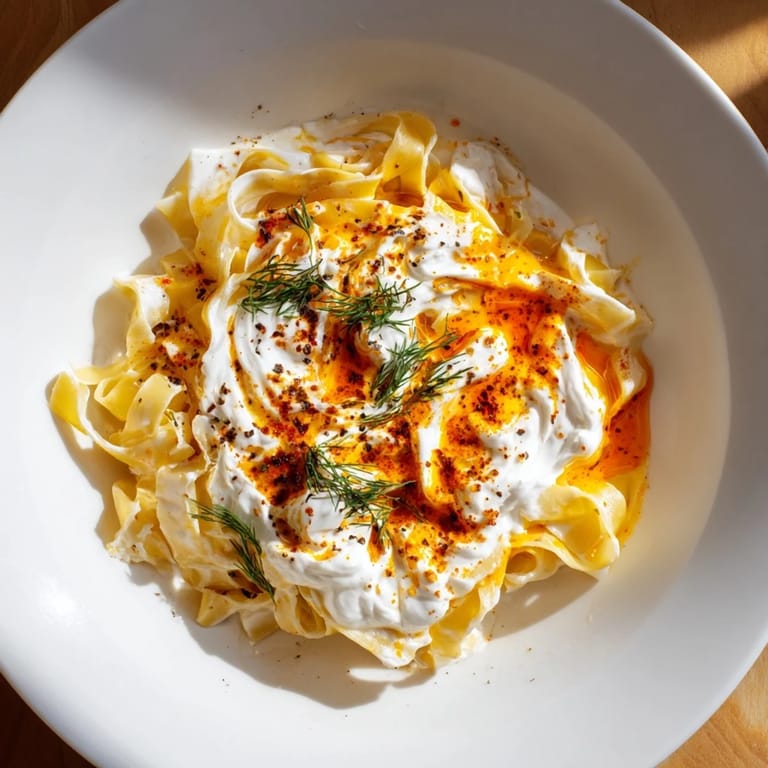
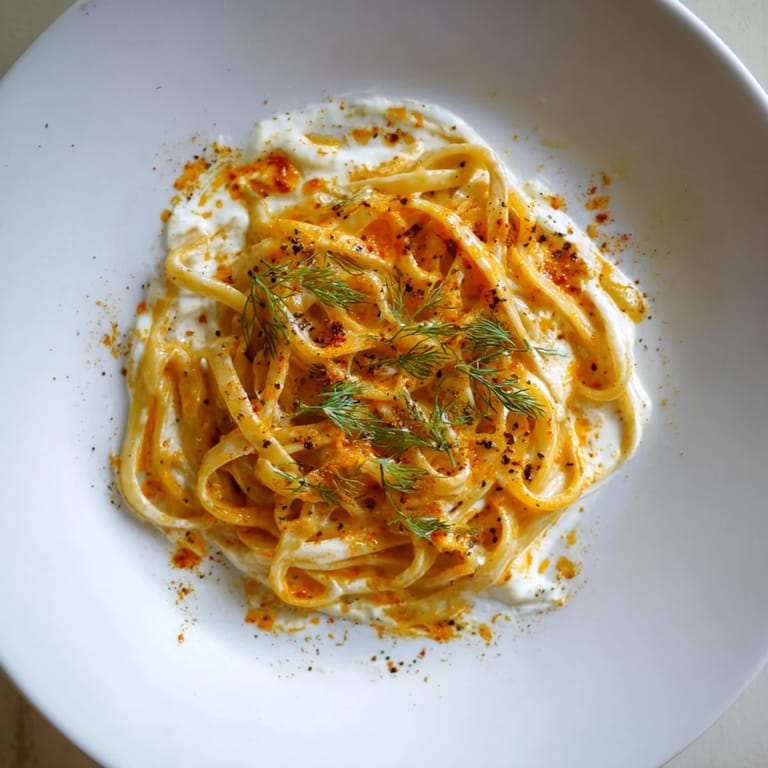
- Spoon generous dollops of the cool yogurt over the hot pasta. The contrast in temperatures is part of the magic. Then drizzle that warm, spiced butter over the top, letting it pool into the curves of the pasta.
- Finish and serve:
- Scatter fresh herbs and a crack of black pepper over everything. Serve immediately while the pasta is still warm and the butter is still fragrant.
 Pin It
 There's a moment when you plate this dish where everything feels right—the colors, the aromas, the promise of something warm and comforting waiting for you. That's when I know I'm cooking something worth sharing.
The Magic of Paprika Butter
The paprika butter is where this dish earns its character. When spices hit warm fat, they release oils and compounds that would stay locked away if they were sprinkled raw over the pasta. This blooming process—where you give the spices time to sizzle gently in butter and oil—is an old Turkish technique that transforms simple ingredients into something aromatic and complex. I used to skip this step and wondered why my version never tasted quite right.
Why Yogurt, Why This Way
Using Greek yogurt as a sauce base is brilliant because it's thick enough to cling to the pasta without breaking, and tangy enough to balance all that butter. The garlic mingles with the yogurt as it sits, becoming mellow and integrated rather than sharp. When you plate it under hot pasta, it softens and flows without ever losing its substance. I've tried this with regular yogurt and labneh, and each works, but Greek yogurt hits that perfect middle ground.
Customizing Heat and Flavor
This is where personal preference takes over, and that's exactly how it should be. The paprika provides color and mild sweetness, while the chili flakes bring the heat. Some nights I want more warmth, so I'll add an extra pinch of Aleppo pepper or increase the chili flakes by half a teaspoon. Other times, I'll drop the heat entirely and add a bit more cumin to shift the flavor profile toward earthiness instead of spice.
- Start conservative with heat and taste before serving—you can always add more, but you can't take it out.
- Fresh, high-quality spices make an enormous difference; old paprika loses its color and vibrancy.
- If you want to experiment, sautéed spinach, caramelized onions, or crispy chickpeas all play beautifully with this base.
 Pin It
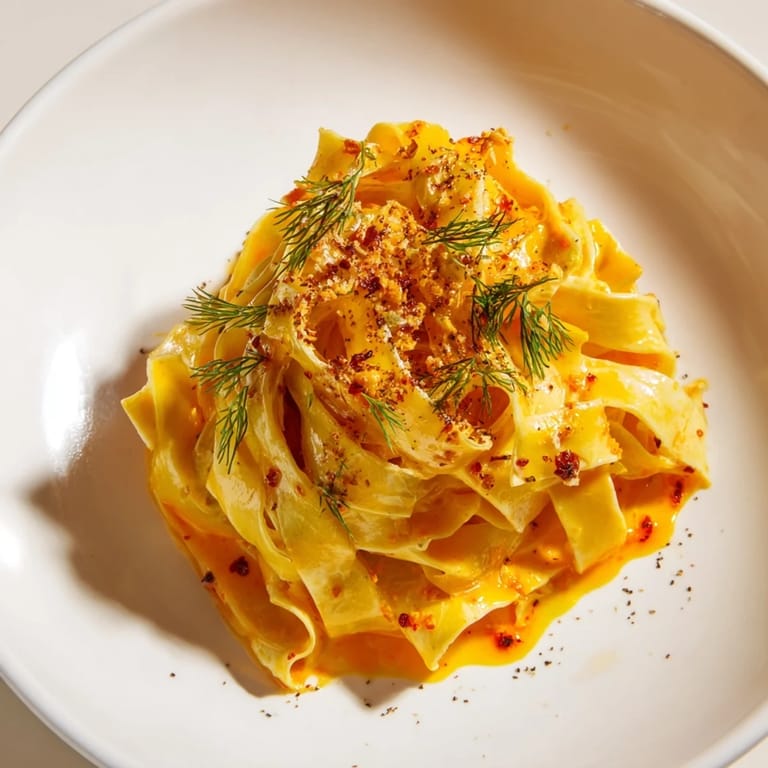
 This pasta has become my answer to those evenings when I want something warm and meaningful but don't have the energy for anything elaborate. It's proof that the best meals often come from working with what you have and trusting your instincts.
Questions About This Recipe
- → What type of pasta works best for this dish?
Long, thin pastas like tagliatelle or spaghetti are ideal as they hold the sauce well while remaining light.
- → Can the paprika chili butter be made spicier?
Yes, increasing chili flakes or adding Aleppo pepper boosts the heat to suit your preference.
- → Is there an alternative for Greek yogurt in the garlicky sauce?
Labneh is a great substitute, offering a tangier, creamier texture to complement the flavors.
- → How should the pasta water be used in this dish?
Reserved pasta water loosens the noodles, helping the yogurt and butter cling evenly for better coating.
- → What herbs enhance the final presentation and taste?
Fresh dill or parsley adds a refreshing herbal note that balances the richness of the butter and yogurt.