 Pin It
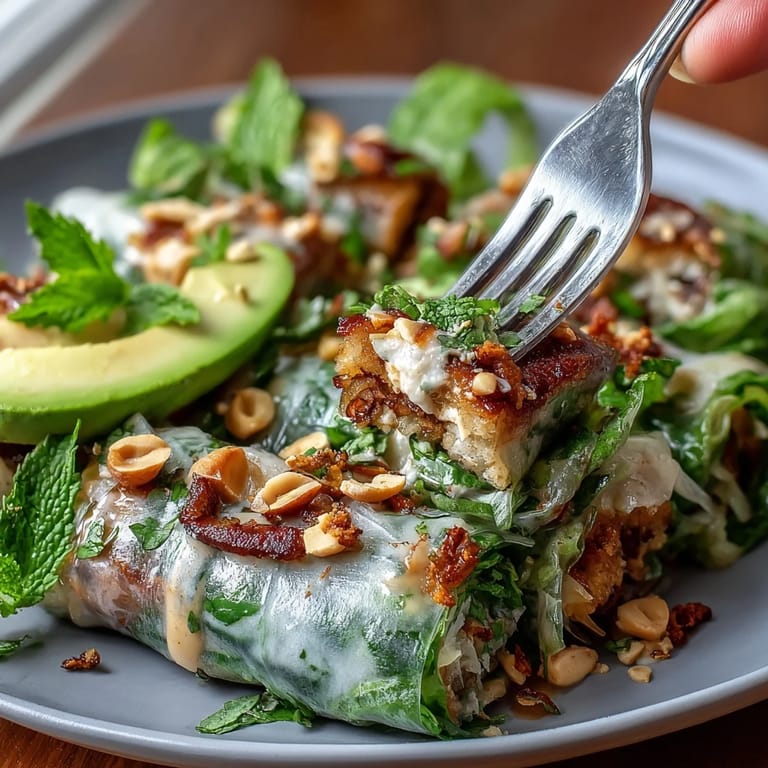
 There's something about assembling a spring roll salad that feels less like cooking and more like composing a painting. I discovered this version on a sweltering afternoon when my fridge held an abundance of fresh herbs but my motivation to turn on the stove had evaporated entirely. The dressing came together almost by accident, whisking together what I had on hand, and suddenly I understood why Vietnamese cuisine relies so heavily on fresh, uncooked elements and bright, punchy flavors.
I served this to a friend who'd just returned from a month in Vietnam, nervous she'd judge my interpretation of flavors she'd experienced firsthand. Instead, she loaded her bowl high and told me the peanut dressing reminded her of street food carts in Hanoi, which felt like the highest compliment I could receive.
Ingredients
- Red cabbage: Its natural sweetness and crunch provide structure, and shredding it thin ensures it softens just enough from the dressing without becoming mushy.
- Carrots: Always shred them fresh rather than buying pre-shredded, as the texture and flavor are noticeably brighter and they stay crisp longer.
- Cucumber: Slice it thin and consider removing excess seeds with a small spoon if your cucumbers are particularly watery, preventing a soggy salad.
- Rice noodles: Cook them ahead of time and run them under cold water until completely cooled, then toss lightly with a touch of sesame oil so they don't clump together.
- Red bell pepper: The color matters here for visual appeal, but it also has a subtle sweetness that balances the savory dressing beautifully.
- Bean sprouts: Use them fresh and add them just before serving if possible, as they wilt quickly once dressed.
- Fresh mint, cilantro, and basil: These are non-negotiable, so seek them out even if it means a trip to an Asian market; they define the entire character of this dish.
- Avocado: Add it at the last possible moment to prevent browning, and choose one that's ripe but still firm enough to slice cleanly.
- Roasted peanuts: Toast your own raw peanuts in a dry skillet for five minutes if you have time, as the flavor depth makes a real difference.
- Creamy peanut butter: Use a good quality version without added sugars or oils, and stir it well before measuring since the natural peanut oils separate.
- Lime juice: Fresh-squeezed makes all the difference; bottled lime juice tastes thin and flat by comparison, and the brightness is crucial here.
- Soy sauce or tamari: Tamari works beautifully for gluten-free versions and has a slightly deeper, less sharp flavor than standard soy sauce.
- Maple syrup: It rounds out the sharpness of the lime and soy without adding granulated texture like regular sugar would.
- Toasted sesame oil: A little goes a long way; the toasted variety has complexity that plain sesame oil simply lacks.
- Garlic and ginger: Mince the garlic fine and grate the ginger fresh, as both flavors are more vibrant than their pre-jarred versions.
- Warm water: This is your control mechanism for dressing consistency, allowing you to achieve the exact thickness you prefer.
Tired of Takeout? 🥡
Get 10 meals you can make faster than delivery arrives. Seriously.
One email. No spam. Unsubscribe anytime.
Instructions
- Prepare your vegetables with care:
- Slice and shred everything and pile it into your largest bowl, moving gently as you toss so you don't bruise the more delicate components like the avocado. The goal is a colorful, textured base that looks as good as it tastes.
- Build your salad layers:
- Spread the vegetable mixture across a large platter or divide it among individual bowls, creating some height and visual interest rather than a flat, compressed layer. This presentation also prevents everything from getting crushed under the weight of the dressing.
- Whisk the dressing with intention:
- Combine your peanut butter, lime juice, soy sauce, maple syrup, and sesame oil in a small bowl, then add the minced garlic and grated ginger, stirring until everything is evenly distributed. The mixture will be thick at first, almost paste-like, which is exactly what you want.
- Achieve the perfect consistency:
- Pour warm water in slowly, whisking after each addition until the dressing flows from your whisk in a steady stream but still coats the back of a spoon. This usually takes two to three tablespoons, though humidity and peanut butter brand both affect how much you'll need.
- Finish with restraint and flavor:
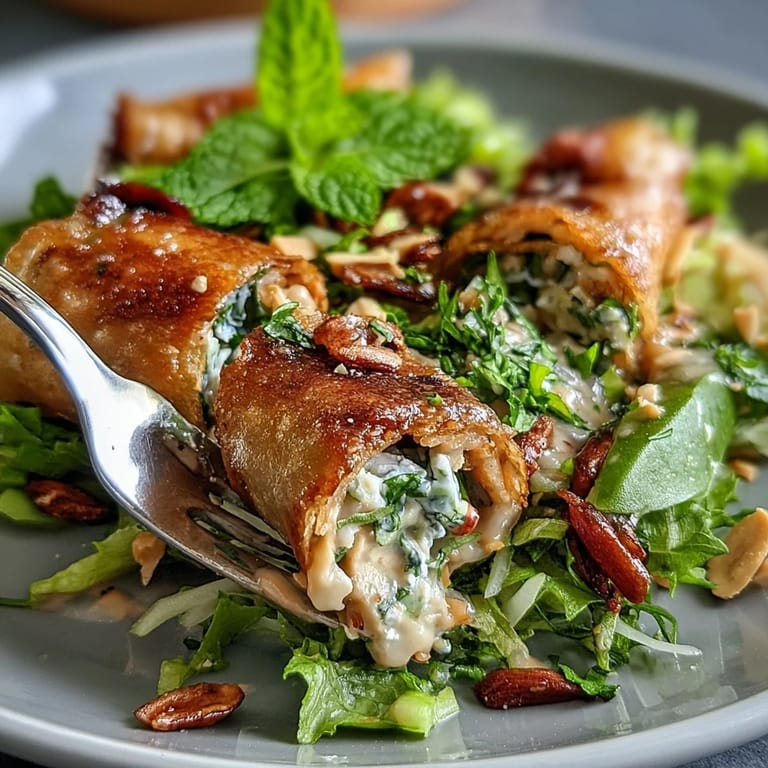
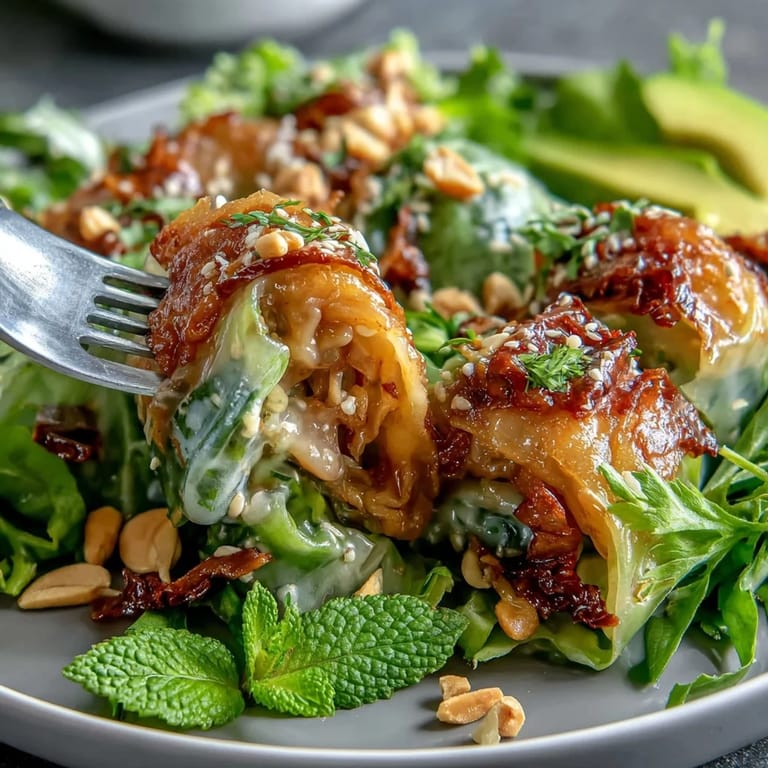
- Crown your salad with avocado slices and chopped peanuts, then drizzle the dressing either over everything or serve it on the side so people can control how much they use. Give everything a gentle toss and eat immediately while the vegetables still have their snap.
 Pin It
 This salad reminds me that sometimes the simplest meals create the most memorable moments, especially when they taste this good and require almost no fuss. There's freedom in a recipe with no cooking involved, and there's joy in biting into something so vibrant and fresh that it tastes like summer on a spoon.
Variations and Substitutions
The beauty of this salad lies in its flexibility, so feel encouraged to swap ingredients based on what's in season or what your market offers. I've made versions with shredded daikon instead of regular cabbage, added mango slices for sweetness, and once substituted sunflower seed butter when a friend had a peanut allergy. The structure remains sound even when you change the players, as long as you keep the balance between crunch, creamy, fresh herbs, and that essential peanut dressing.
Storage and Make-Ahead Strategy
If you want to prep this ahead for a busy week, slice and store each vegetable in separate containers and make the dressing in advance, which actually tastes better after a day as the flavors meld. Keep everything chilled and separate until you're ready to eat, then assemble and dress just before serving so the vegetables maintain their texture and brightness.
Serving Suggestions and Pairings
This salad works as a standalone light lunch, a colorful side dish at a summer table, or even as a component of a larger vegan spread. Serve it alongside coconut milk-based curry, rice bowls, or simply with crusty bread to soak up any extra dressing. The light, fresh nature of this dish pairs perfectly with iced herbal tea, crisp white wine, or even a cold ginger ale if you're avoiding alcohol.
- For extra heat and depth, whisk sriracha or chili oil into the dressing just before serving.
- Add thinly sliced radishes, snap peas, or even shredded jicama if you want to increase the crunch factor.
- If you make this for someone with a soy allergy, substitute coconut aminos one-to-one for the soy sauce and you won't miss a thing.
 Pin It
 This spring roll salad has become my reliable go-to when I want to eat something that feels both indulgent and nourishing. It's the kind of dish that proves cooking doesn't always require heat or complexity to be deeply satisfying.
Questions About This Recipe
- → What ingredients are key to this salad?
Shredded cabbage, carrots, cucumber, fresh herbs like mint and cilantro, avocado, and a creamy peanut dressing form the core components.
- → Can I make the dressing ahead of time?
Yes, the peanut dressing can be whisked together in advance and stored in the refrigerator for up to 3 days.
- → Are rice noodles necessary for the salad?
Rice noodles are optional and add a light texture, but the salad works well without them if preferred.
- → How can I add extra crunch to the salad?
Incorporate thinly sliced radishes or julienned snap peas for additional crispness and texture.
- → Is it possible to adjust the peanut flavor?
Yes, you can substitute almond or sunflower seed butter for peanut butter, or add a dash of sriracha for a spicy twist.