 Pin It
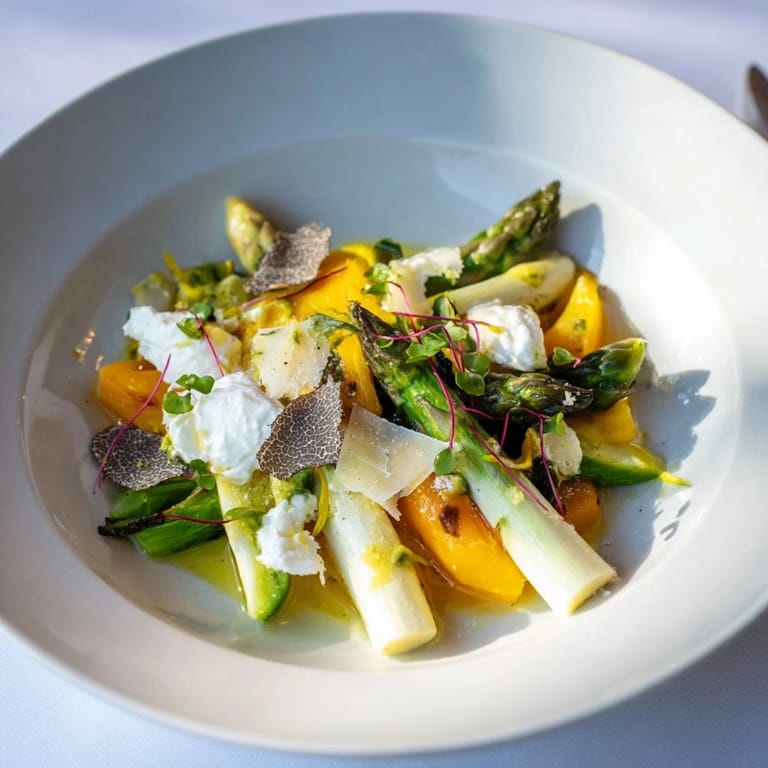
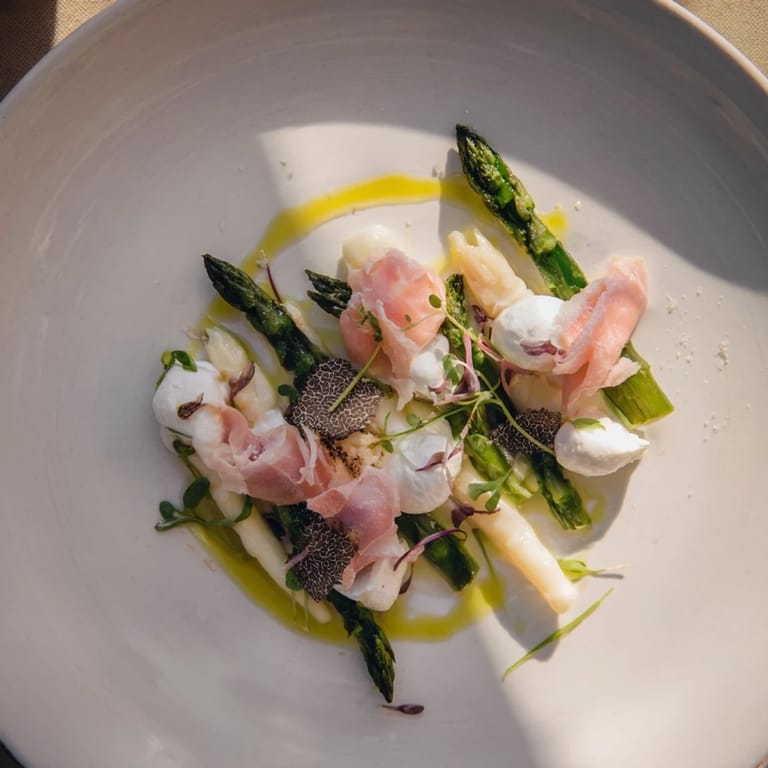
 There's a particular moment in spring when the farmers market shifts, and suddenly pale white asparagus appears bundled in paper, almost ghostly compared to the green varieties. I picked up a bunch one cool morning and thought about how my grandmother used to reserve white asparagus for special occasions, treating it like the ingredient for something almost ceremonial. That afternoon, I layered it with three different cheeses and fresh black truffle, and the dish somehow captured that exact feeling of refinement without pretension. It became The Silver Birch—a name that came to me while looking at the delicate white spears arranged on the plate, catching the light like birch bark.
I made this for my partner on an evening when we'd been talking about cooking more thoughtfully together. We'd just gotten a truffle slicer as a gift and kept laughing nervously about whether we'd actually use it. Shaving that first ribbon of black truffle over the pale cheese felt ceremonial and ridiculous all at once, but the moment it landed on the plate, everything shifted. We ate it slowly that night, and it became the kind of dish we make when we want to remember why we love cooking for each other.
Ingredients
- White asparagus, 500 g trimmed and peeled: Seek out fresh white asparagus in spring if you can; it's sweeter and more delicate than green. The peeling matters—it removes the woody outer layer and reveals the tender flesh underneath. If you can't find it, thin green asparagus works, though the dish loses some of its subtle elegance.
- Burrata or buffalo mozzarella, 75 g drained: This is where you get that creamy, almost cloud-like texture. Burrata is ideal because it tears beautifully, but fresh mozzarella is forgiving if that's what you have. Drain it well before using or your plate will get watery.
- Aged Comté cheese, 75 g thinly shaved: Comté has a nutty depth that balances the asparagus and truffle. Use a vegetable peeler or mandoline to create thin, elegant shavings that melt slightly on the warm asparagus.
- Parmigiano-Reggiano, 50 g finely grated: The sharp, crystalline notes here anchor the whole dish and prevent it from feeling too soft or mild. Grate it fresh just before serving.
- Fresh black truffle, 15 g or truffle paste, 1–2 tbsp: Fresh truffle is a luxury, but even a little goes far when sliced thinly. Truffle paste is a reliable alternative that delivers the earthy, mysterious quality the dish needs without the price tag.
- Extra-virgin olive oil, 2 tbsp: Choose one you genuinely enjoy tasting—this is not the place for assertive or peppery oil. Something buttery and mild lets the other flavors breathe.
- Fresh lemon juice, 1 tbsp: Acid is essential here to cut through the richness and brighten the flavors. Squeeze it fresh; bottled won't have the same lift.
- Flaky sea salt, 1/2 tsp and freshly ground white pepper to taste: White pepper is gentler than black and won't leave visible specks on this refined plate. Salt by hand at the end so you can taste as you go.
- Microgreens or chervil for garnish, optional: These add a whisper of color and a delicate herbaceous note. They're optional but worth including if you have them.
Tired of Takeout? 🥡
Get 10 meals you can make faster than delivery arrives. Seriously.
One email. No spam. Unsubscribe anytime.
Instructions
- Ready your mise en place:
- Trim the asparagus, peel it gently with a vegetable peeler, and set it aside. Fill a large bowl with ice water and set it somewhere you can reach it quickly. This prep work done beforehand means you won't panic when the asparagus is perfectly cooked and needs to cool immediately.
- Cook the asparagus with attention:
- Bring a large pot of salted water to a gentle simmer and slide in the asparagus. Set a timer for 8 to 10 minutes and taste one piece at the 8-minute mark—you're looking for just-tender, still with a whisper of resistance in the center. The moment it's right, lift each spear out with tongs and into the ice bath.
- Chill and dry thoroughly:
- Leave the asparagus in the ice bath for a few minutes, then lay each spear carefully on a clean kitchen towel. Pat gently; any excess water will dilute your dressing and make the plate look careless.
- Arrange with intention:
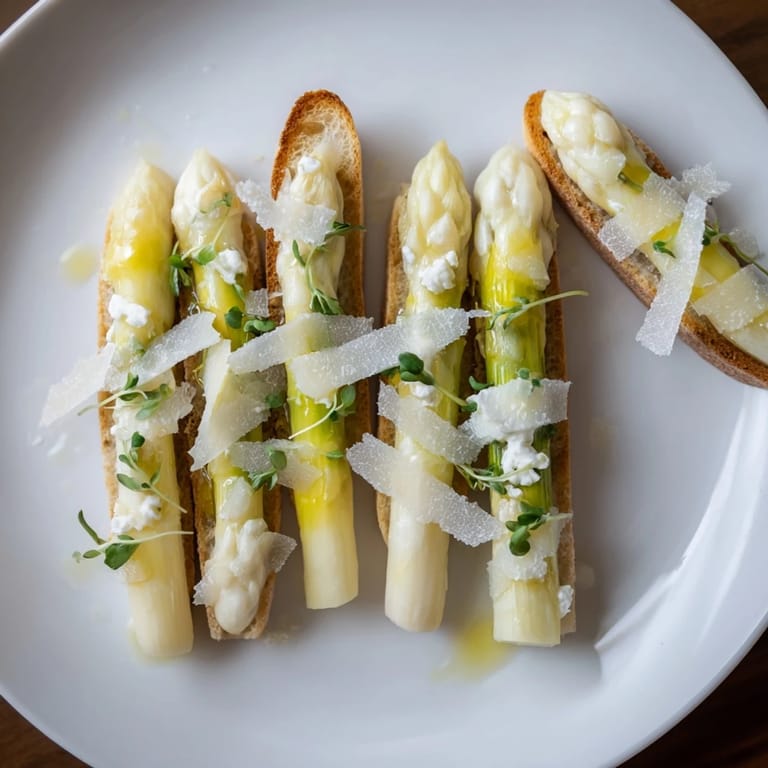
- Slice each cooled asparagus spear in half lengthwise. Arrange the halves on chilled serving plates in a way that feels natural, not rigid. Slight asymmetry is more elegant than perfect symmetry.
- Build the layers of cheese:
- Tear the burrata into bite-sized pieces and scatter them over the asparagus where it feels right. Add shavings of Comté by running your vegetable peeler along the edge of the cheese, catching the light as it curls. Finish with a fine snow of freshly grated Parmigiano-Reggiano.
- Add the truffle element:
- If using fresh truffle, hold your truffle slicer at a shallow angle and create thin, dark ribbons across the dish. If using paste, drizzle it carefully in thin, irregular lines—the lines should look like they happened by hand, not by precision. Truffle is an accent, not a blanket.
- Dress the plate:
- Whisk olive oil, lemon juice, sea salt, and a small pinch of white pepper together in a small bowl until they look emulsified and taste bright. Drizzle this dressing evenly over the entire dish, letting it pool slightly around the asparagus.
- Finish and serve immediately:
- If using microgreens or chervil, scatter them across the top. Serve right away while the asparagus is still cool and the cheeses haven't begun to weep.
 Pin It
 I remember setting down a plate of this in front of a friend who'd been having a rough week, and watching her expression shift as she took the first bite. She paused mid-chew and just smiled, and I realized that sometimes food—especially food made with attention and care—is a way of saying that you see someone, that you think they deserve something beautiful. That's what The Silver Birch became for me: a small, edible way of offering kindness.
Why White Asparagus Matters
White asparagus grows underground, sheltered from sunlight, which is why it develops that pale, almost ethereal appearance. It's never subjected to the sun-kissed toughening that makes green asparagus more robust, so it remains delicate and sweet, almost nutty when cooked gently. The flavor is subtler than green asparagus, making it an ideal choice when you want the other ingredients—the cheese, the truffle—to have space to shine. Once you taste properly cooked white asparagus, you understand why it was historically reserved for the most refined kitchens.
The Cheese Trinity
Using three cheeses might seem excessive, but each one serves a distinct purpose. Burrata brings creaminess and a cloud-like texture, Comté contributes a warm, nutty complexity, and Parmigiano-Reggiano adds salt and crystalline sharpness. Together they create a flavor landscape that feels sophisticated without becoming heavy or overwhelming. This approach—layering different textures and intensities—is something I learned from watching a cheese monger arrange a board once. She explained that good cheese boards tell a story, and the same is true when you layer them onto a single plate.
Truffle Choices and Confidence
Fresh black truffle is magical but expensive, and I won't pretend otherwise. High-quality truffle paste, by contrast, captures the earthy, almost mysterious flavor at a fraction of the cost and without the difficulty of sourcing fresh truffles in off-season. Some cooks treat truffle paste as inferior, but I've served it to people who couldn't tell the difference, and what matters is the feeling on the plate, not the price tag. A little truffle—whether fresh or paste—goes remarkably far when it's treated with respect and applied with a light hand.
- If you use fresh truffle, invest in a truffle slicer; a sharp knife or peeler can damage the delicate flesh.
- Truffle paste should be drizzled, never stirred into dressing or smeared across the plate.
- Store fresh truffle wrapped in paper in the refrigerator and use it within a few days for the best flavor.
 Pin It
 This dish reminds me that the most memorable meals aren't always the most complicated—sometimes they're the ones where each ingredient is honored, where a few high-quality things come together simply and let each other shine. The Silver Birch is a dish for moments when you want to feel like you're dining somewhere special, even if it's just your own kitchen.
Questions About This Recipe
- → What is the best way to cook white asparagus?
Simmer peeled and trimmed white asparagus in salted water for 8–10 minutes until tender but still firm, then cool immediately in an ice bath to preserve texture and color.
- → Can I substitute the cheeses used in this dish?
Yes, you can use Gruyère or a mild goat cheese instead of Comté, and mozzarella as an alternative to burrata for a similar creamy texture.
- → How should I prepare the black truffle for this dish?
Use a truffle slicer or sharp vegetable peeler to shave thin stripes of fresh black truffle over the dish, or drizzle high-quality truffle paste evenly if fresh truffle is unavailable.
- → What dressing complements the flavors best?
A simple dressing of extra-virgin olive oil, fresh lemon juice, flaky sea salt, and freshly ground white pepper enhances the delicate flavors without overpowering them.
- → What garnishes work well with this dish?
Fresh microgreens or chervil add a subtle herbal note and a decorative touch to the presentation.