 Pin It
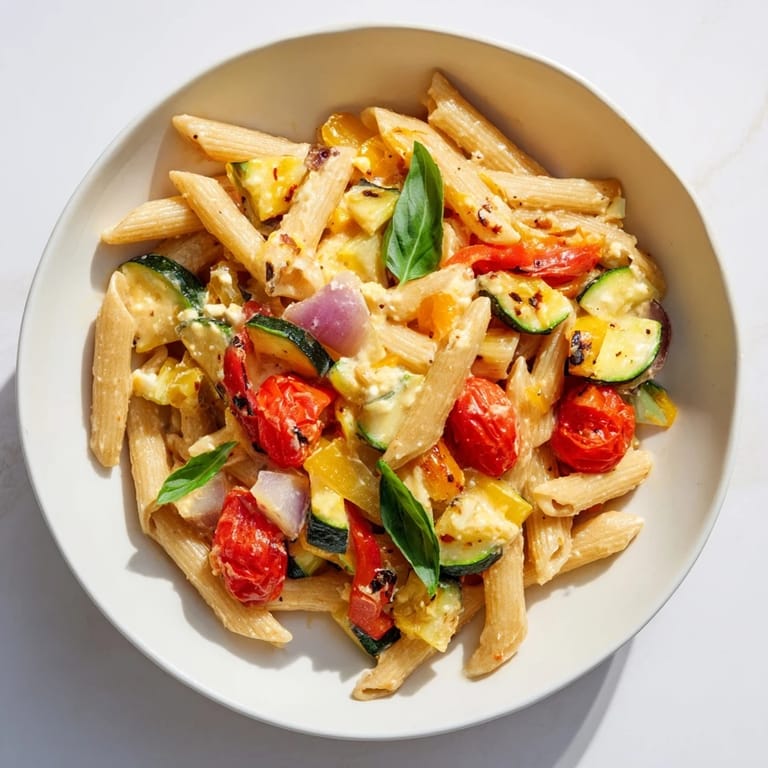
 The first time I made this, I wasn't trying to reinvent anything—I just wanted pasta that didn't feel heavy after a long day. A friend mentioned she'd been roasting feta and vegetables together, and the simplicity stuck with me. When I finally tried it, watching that cheese soften and meld into the caramelized tomatoes felt like discovering something I'd been missing. The whole-grain pasta made it feel even better, substantial without being guilt-inducing. Now it's the dish I reach for when I want something both comforting and genuinely nourishing.
I made this for my sister's book club night, and she texted me the next day saying people were still talking about it—not the kind of pasta people forget. That's when I realized it's not just about the ingredients coming together; it's about how whole-grain pasta somehow makes everything taste more intentional, more real. The roasted vegetables add this caramelized sweetness that plays so well against the salty feta, creating a balance that feels almost too easy to achieve.
Ingredients
- Reduced-fat feta cheese block (200 g): This is where the magic lives—it softens and creams without needing dairy additions, and the tanginess becomes the backbone of your sauce.
- Cherry tomatoes (400 g, halved): Halving them lets them caramelize properly in the oven, concentrating their sweetness and deepening the flavor of everything around them.
- Zucchini (1 medium, diced): It stays tender but doesn't turn mushy if you cut it into uniform pieces and keep an eye on the timing.
- Red bell pepper (1, diced): The sweetness of red peppers balances the heat from the red pepper flakes and the sharpness of the feta beautifully.
- Red onion (1 small, sliced): Sliced rather than diced, it softens into sweetness while keeping a slight structural integrity that adds texture.
- Garlic (2 cloves, minced): Added after roasting keeps it bright and prevents that bitter, burnt garlic taste—a lesson I learned the hard way.
- Extra-virgin olive oil (2 tbsp): Don't skimp here; good oil is what carries the flavors and makes the whole thing sing.
- Dried oregano (1 tsp): Mediterranean herbs and roasted vegetables belong together like old friends reuniting.
- Crushed red pepper flakes (½ tsp, optional): A small amount adds depth and warmth without making heat the main character.
- Whole-grain penne or fusilli (300 g): The texture of whole-grain pasta actually holds the creamy sauce better than white pasta, and it adds real substance to the plate.
- Fresh basil leaves: Added at the end, basil gives you a bright, fresh finishing note that makes the whole dish feel alive.
- Salt and black pepper: Taste as you go, because the feta is salty and seasonings can surprise you.
Tired of Takeout? 🥡
Get 10 meals you can make faster than delivery arrives. Seriously.
One email. No spam. Unsubscribe anytime.
Instructions
- Prep your oven and vegetables:
- Heat your oven to 200°C (400°F) while you chop—there's something satisfying about working with purpose. Combine the tomatoes, zucchini, bell pepper, and red onion in your baking dish, then drizzle generously with olive oil and season with oregano, red pepper flakes, salt, and pepper, tossing until everything's coated and happy.
- Create the feta focal point:
- Place your feta block right in the center of all those vegetables like it's taking a seat at the table. Give it a light drizzle of olive oil on top, which helps it develop that golden exterior as everything roasts together.
- Let the oven do its work:
- Roast for 25–30 minutes until the vegetables are caramelized at the edges and the feta is soft enough to mash but still holds its shape. You'll smell when it's getting close—that's your signal to start the pasta water.
- Cook the pasta:
- While vegetables roast, get a large pot of salted water boiling and cook your whole-grain pasta according to package directions. Before draining, reserve half a cup of that starchy pasta water—it's liquid gold for your sauce.
- Bring it all together:
- Pull the hot baking dish from the oven and scatter the minced garlic over everything, which will bloom instantly in the residual heat. Gently mash the feta with a spoon or fork, stirring it into the vegetables until you have a creamy, chunky sauce.
- Toss and finish:
- Add your drained pasta to the baking dish with a splash of reserved pasta water, tossing everything until the pasta is evenly coated in that creamy feta-vegetable sauce. If it feels too thick, add more pasta water a splash at a time until you reach the consistency you love.
- Serve with flourish:
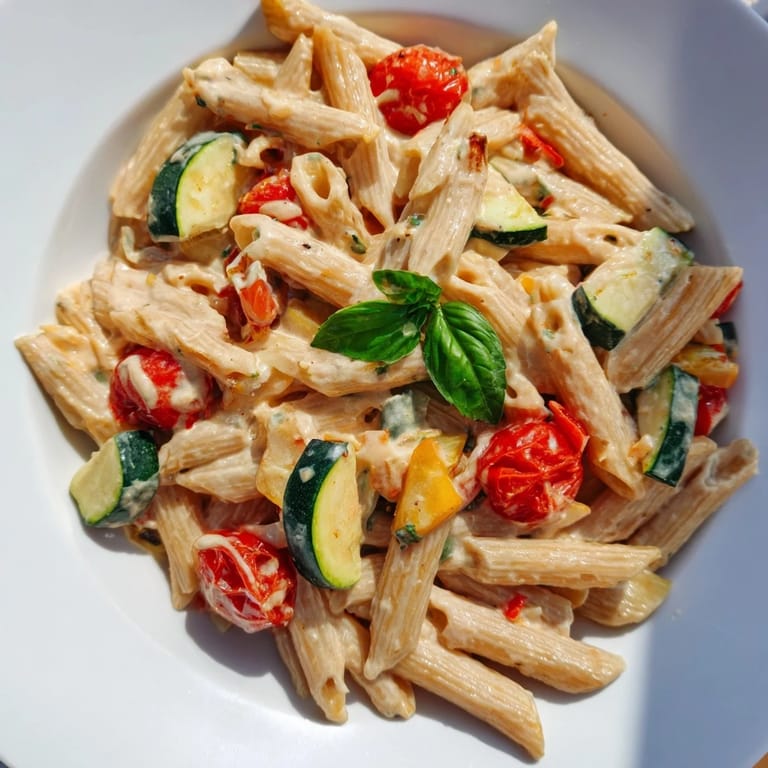
- Transfer to plates or bowls and top with fresh basil leaves, letting their bright flavor and aroma be the final note of the dish.
 Pin It
 What really got me about this dish was realizing how much flavor you get from caramelization alone, without heavy cream or butter. It changed the way I think about weeknight cooking—that you can feed people something that feels indulgent and still feel good about it yourself.
Why Whole-Grain Pasta Changes Everything
I used to think whole-grain pasta was a compromise, something you ate out of obligation rather than joy. But the nuttier flavor and denser structure actually absorb the creamy feta sauce in a way white pasta doesn't, and the result is more satisfying per bite. It's not about being virtuous—it genuinely tastes better, holds its texture longer, and makes the meal feel more grounded and real.
Seasonal Flexibility and Swaps
Summer asks for cherry tomatoes and fresh basil, but winter is when I sneak in roasted eggplant or add a handful of spinach just before tossing. Spring begs for asparagus, and honestly, you could add roasted chickpeas to the mix for protein without it feeling forced. The beauty of this recipe is that it bends to what's in season or what your fridge is asking you to use, and somehow it always works.
Making It Your Own
This is one of those recipes that gets better the more you cook it, because you'll start tweaking it in ways that make sense for your kitchen and your palate. Some nights I add a pinch more red pepper flakes, other times I'm generous with the basil. The foundation is solid enough to support your own instincts.
- For extra protein without changing the flavor profile, stir in drained canned chickpeas before roasting, or add them to the hot pasta when tossing.
- If you're gluten-free, swap the whole-grain pasta for certified gluten-free versions without changing anything else in the recipe.
- Fresh herbs like dill or oregano can stand in for basil if that's what you have, keeping the finish bright and aromatic.
 Pin It
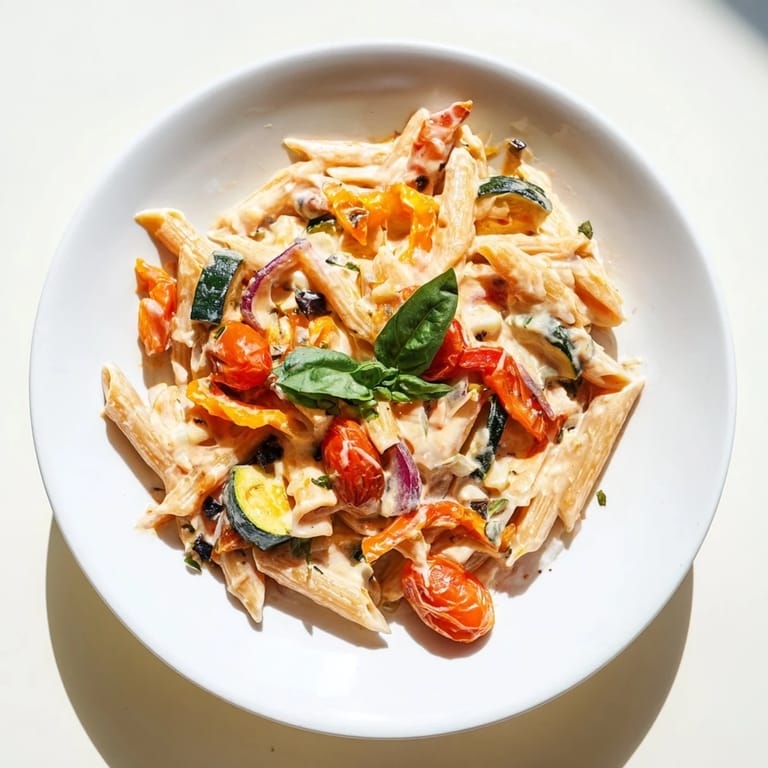
 This recipe became my answer to the question of how to eat well without it feeling like deprivation. It's proof that the simplest combinations—roasted vegetables, good cheese, whole grains—sometimes create something you keep coming back to.
Questions About This Recipe
- → What vegetables work best with baked feta and pasta?
Cherry tomatoes, zucchini, red bell pepper, and red onion provide a balanced sweetness and texture, enhancing the creamy feta.
- → How can I make the dish gluten-free?
Substitute the whole-grain pasta with certified gluten-free varieties to maintain texture without gluten.
- → Can I add protein to this dish?
Adding drained canned chickpeas before baking boosts protein while complementing the creamy sauce and veggies.
- → What herbs enhance the flavor?
Dried oregano adds depth during roasting, while fresh basil sprinkled before serving adds bright herbal notes.
- → How should I prepare the feta and vegetables for roasting?
Place the feta block in the center, surrounded by tossed vegetables with olive oil and seasonings, then roast to caramelize and soften.