 Pin It
 My friend Sarah texted me at midnight on her birthday week asking if I could bake her something that felt like her, and I immediately thought of her Pisces energy—dreamy, fluid, impossibly creative. I'd been scrolling through cake inspiration and kept getting drawn to those moody ocean aesthetics, the kind where colors blur into each other like watercolor paintings. That's when the idea hit: a soft vanilla cake wrapped in galaxy buttercream that shifts from navy to teal to purple, topped with edible glitter like stars caught underwater. I stayed up sketching flavor combinations and color swatches, already imagining her face when she saw it.
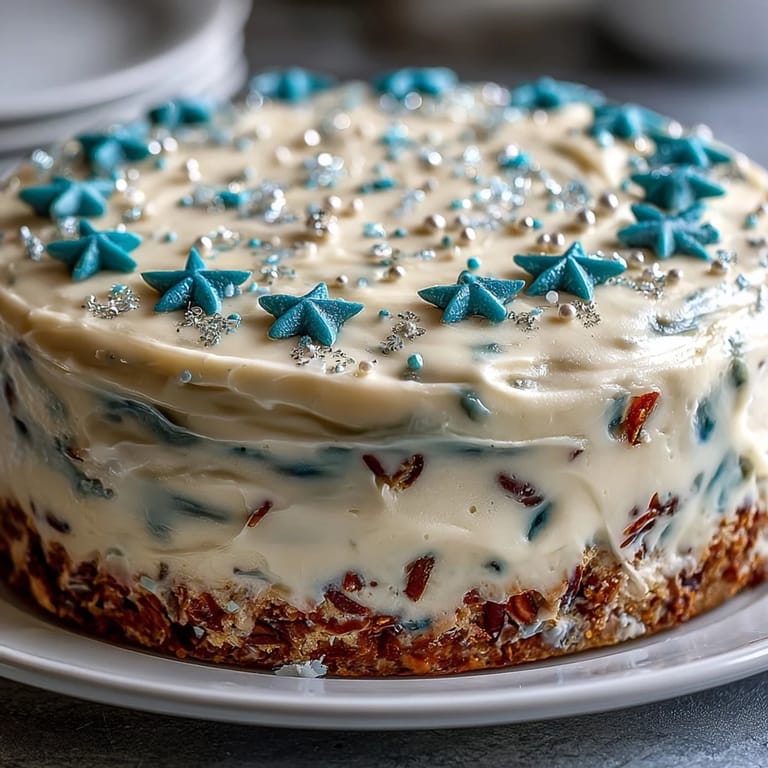
I made this cake for the first time at 2 a.m. in my tiny apartment kitchen, which was probably not the wisest choice, but something about baking in the quiet hours felt right for a Pisces celebration. My kitchen smelled like vanilla and butter while I piped swirls of purple and teal buttercream, and I found myself genuinely lost in the work—not rushing, just playing with colors and textures. When I finally stepped back and looked at the whole thing under my kitchen lights, it genuinely took my breath away; I'd created something that looked like someone had captured a piece of the ocean and balanced it on a cake plate.
Ingredients
- All-purpose flour (2 1/2 cups): Use the kind you normally bake with; if you're sifting, do it before measuring so you don't accidentally add too much and end up with a dense crumb.
- Baking powder (2 1/2 tsp): This is what gives you that delicate rise and tender crumb, so don't skip it or reduce it thinking you're being clever.
- Salt (1/2 tsp): A tiny pinch that doesn't make the cake taste salty but wakes up the vanilla and balances the sweetness beautifully.
- Unsalted butter (1 cup for cake, 1 1/2 cups for buttercream): Room temperature is non-negotiable here because cold butter won't cream properly, and you'll end up with a dense, heavy cake instead of the fluffy cloud you're aiming for.
- Granulated sugar (1 3/4 cups): The sweetness level is balanced, so if you reduce sugar thinking you'll like it less sweet, you'll actually lose the structure of the cake.
- Eggs (4 large): Room temperature helps them emulsify into the butter mixture instead of just sitting there as separate ingredients doing nothing.
- Vanilla extract (2 tsp cake, 2 tsp buttercream): Good quality vanilla makes a real difference; I use real vanilla because the artificial stuff tastes thin and flat by comparison.
- Whole milk (1 cup cake, 1/4 cup buttercream): Room temperature milk incorporates smoothly without shocking the batter with temperature changes.
- Powdered sugar (6 cups): Sifted before measuring prevents lumps and gives you that silky buttercream texture that swirls like a dream.
- Gel food coloring (navy blue, teal, purple, turquoise, white): Gel holds up better than liquid coloring and won't thin out your buttercream the way water-based dyes do.
- Edible glitter or white sprinkles: This is where the magic happens; it transforms the cake from pretty to absolutely enchanting.
Tired of Takeout? 🥡
Get 10 meals you can make faster than delivery arrives. Seriously.
One email. No spam. Unsubscribe anytime.
Instructions
- Get your mise en place ready:
- Preheat your oven to 350°F and grease those cake pans like your life depends on it, then line them with parchment paper so your finished cakes actually come out cleanly. Have your eggs, butter, and milk sitting out for about 30 minutes before you start so everything's at that perfect room temperature.
- Combine the dry ingredients:
- Whisk together your flour, baking powder, and salt in a medium bowl, which takes about two minutes but prevents any lumps from sneaking into your batter later. This is the boring step that actually changes everything.
- Cream the butter and sugar:
- Beat softened butter and granulated sugar together for 3-4 minutes until it looks pale, fluffy, and lighter than it started—you're aerating it, building thousands of tiny air pockets that become your cake's crumb. Stop and scrape down the sides every minute or so; don't let any unbeaten butter hide at the bottom.
- Add eggs one at a time:
- Drop in an egg, beat for 30 seconds, then repeat; this slow method helps them emulsify properly instead of curdling the mixture. I learned this the hard way after making curdled batter soup.
- Mix in vanilla:
- One quick addition of vanilla extract, beaten in for another 30 seconds.
- Alternate wet and dry:
- Add a third of your flour mixture, beat it in, then add half your milk, then another third of flour, then the remaining milk, then the last of the flour—always starting and ending with flour. This alternating method prevents the mixture from getting too wet at any point and keeps the batter smooth and silky.
- Divide and bake:
- Pour equal amounts of batter into each prepared pan, smooth the tops gently, and bake for 28-32 minutes until a toothpick comes out clean or with just a few moist crumbs. The kitchen will smell incredible around minute 25.
- Cool with patience:
- Leave the cakes in their pans for 10 minutes—this is crucial because they're still setting—then turn them out onto wire racks to cool completely. This usually takes an hour, and yes, you have to wait.
- Make your buttercream base:
- Beat softened butter until it's creamy and smooth, then gradually add your sifted powdered sugar a little bit at a time while the mixer's running. Once it looks sandy and thick, add vanilla and milk, and keep beating for another 3-4 minutes until it's fluffy and cloud-like.
- Divide and tint:
- Separate your buttercream into 4 or 5 bowls and add gel food coloring to each one, starting with just a tiny amount because these colors get intense fast. I use a toothpick to add color, one dab at a time, mixing between additions.
- Crumb coat if you're feeling fancy:
- Spread a thin layer of white buttercream on your cooled cakes to seal in any crumbs; chill for 15 minutes so your pretty galaxy frosting doesn't look speckled with cake debris. This step isn't required but makes the final look impossibly clean.
- Create the galaxy effect:
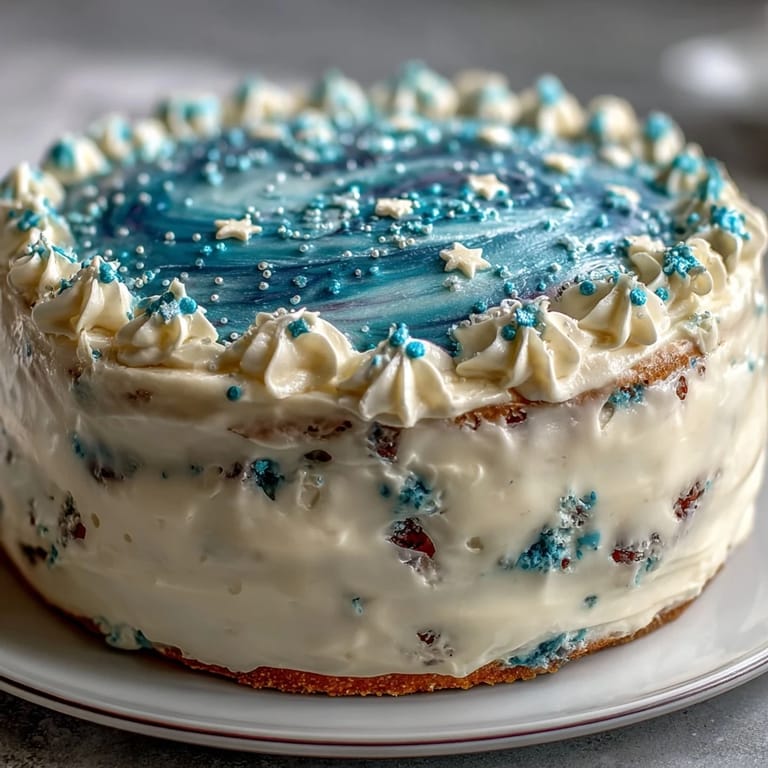
- Plop random dollops of different colored buttercream all over the cake, then use an offset spatula to swirl and blend them together in a gentle, organic way that looks like colors are melting into each other. Don't overthink it; the beauty is in the imperfection and randomness.
- Add the stars:
- Sprinkle edible glitter or white sprinkles over the top while the buttercream is still soft so they stick and catch the light like actual stars.
- Chill before serving:
- Refrigerate for at least 30 minutes, which firms up the buttercream and makes slicing clean instead of smeary.
 Pin It
 When I delivered that cake to Sarah's birthday party, watching her eyes go wide when she saw it actually made me tear up a little—not because I made something Instagram-worthy, but because I'd created something that felt like I understood her. She told me later that eating the cake felt like biting into a dream, which is exactly what a Pisces birthday should feel like.
Why This Cake Works for Ocean Lovers
There's something about the combination of soft vanilla cake and swirled buttercream that feels less like traditional birthday cake and more like edible art. The colors move and blend exactly like water, the vanilla stays delicate enough that it doesn't fight with the buttercream, and the whole thing just looks like you captured the ocean at sunset.
Making It Personal for Your Pisces
This recipe is intentionally simple so you can customize it without losing the essence of what makes it special. Add those sugar sea shells or zodiac toppers I mentioned, or try swapping in almond extract for half the vanilla if your person loves that subtle nuttiness. The cake becomes less about following rules perfectly and more about translating love into a color palette.
Storage and Timing Tips
I've made this cake a full day ahead, covered it loosely with plastic wrap in the fridge, and it was genuinely better the next day—the crumb had time to set and the flavors deepened. You can even bake just the cake layer ahead and do the buttercream the morning of serving if that makes your timeline feel less chaotic. One last thing: if you're nervous about the swirling, remember that even a slightly wonky galaxy effect looks magical in person; cameras and overthinking are the only things that ruin it.
- Leftover buttercream keeps in the fridge for a week and freezes beautifully for up to three months.
- If your cake starts sliding around while frosting, stick it in the freezer for 15 minutes to firm up the layers.
- The cake tastes best eaten at cool room temperature, not straight from the fridge, so pull it out about 30 minutes before serving.
 Pin It
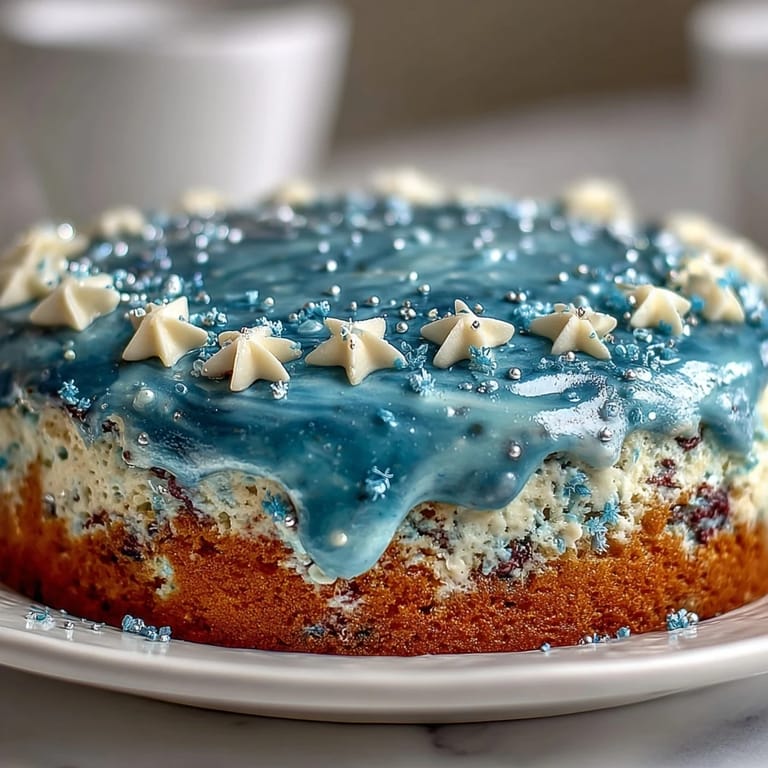
 This cake isn't just dessert; it's a celebration wrapped in buttercream and starlight. Bake it with joy, and watch someone's face light up the way Sarah's did.
Questions About This Recipe
- → How is the ocean galaxy effect created?
Colored buttercream in navy, teal, purple, turquoise, and white is dolloped onto the cake and gently swirled with an offset spatula to form a marbled, celestial pattern.
- → Can the cake be made in advance?
Yes, it can be baked a day ahead and refrigerated, allowing flavors to develop and easing assembly the next day.
- → What alternatives can be used for vanilla extract?
Almond or coconut extracts can partially replace vanilla to add a subtle twist to the flavor profile.
- → What special tools are needed?
Two 8-inch round pans, an electric mixer, offset spatula, parchment paper, and wire racks are essential for best results.
- → Are there common allergens to be aware of?
This dessert contains gluten, dairy, and eggs. Check food coloring and sprinkles for additional allergen concerns.