 Pin It
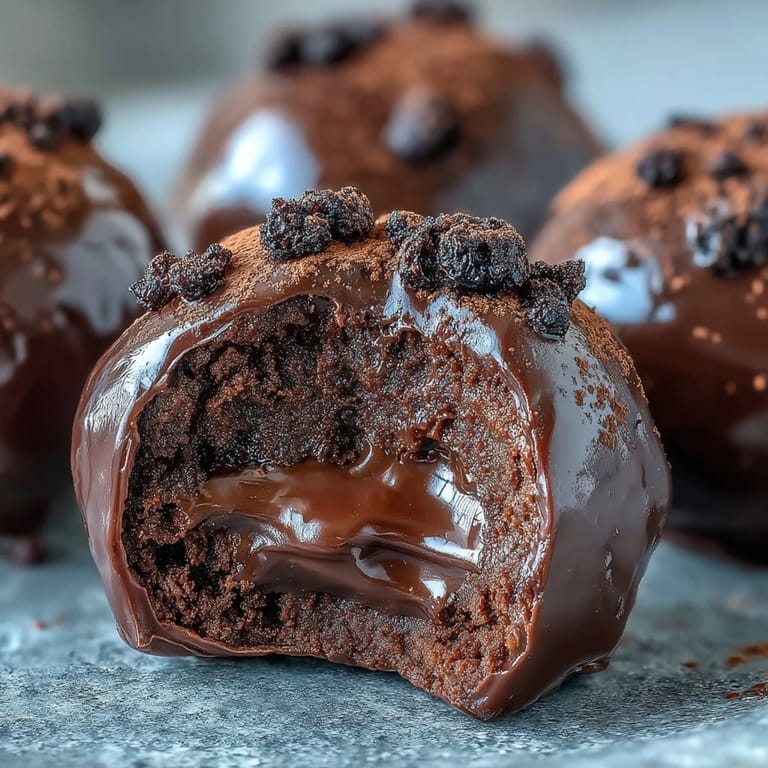
 My kitchen smelled like a fancy chocolatier's shop the afternoon I first made these black currant truffles, though admittedly my ambitions exceeded my skill. A friend had brought back a bottle of black currant liqueur from France, and I became obsessed with finding a way to use it that wouldn't just be another cocktail. The moment I tasted that first ganache—the tartness of the currants cutting through the dark chocolate like a secret—I knew I'd stumbled onto something genuinely special, something that felt both rustic and refined at the same time.
I made a batch for my sister's book club last fall, and watching everyone pause mid-conversation to savor these was one of those quiet kitchen victories that stick with you. Someone asked if they were homemade, and when I admitted yes, the room got a little quieter—that particular kind of quiet that means you've genuinely impressed people without trying too hard. That moment reminded me why I love making things with my hands in the first place.
Ingredients
- Dark chocolate, 70% cocoa, finely chopped (120 g for ganache, 200 g for coating): The percentage matters more than you'd think—too high and the ganache becomes brittle, too low and you lose that sophisticated bitterness that makes the fruit sing.
- Heavy cream (60 ml): This is your ganache foundation, so use the real thing; it creates that silky texture that makes people think you know what you're doing.
- Unsalted butter, room temperature (2 tbsp): Room temperature is genuinely important here because cold butter won't incorporate smoothly and you'll end up with visible specks.
- Black currant purée, strained and unsweetened (3 tbsp): Straining removes the tiny seeds that can create an unpleasant grittiness if you skip this step, a lesson I learned the expensive way.
- Black currant liqueur (1 tbsp, optional): This deepens the flavor and adds a gentle warmth, but honestly the purée alone carries the recipe beautifully if you don't have it on hand.
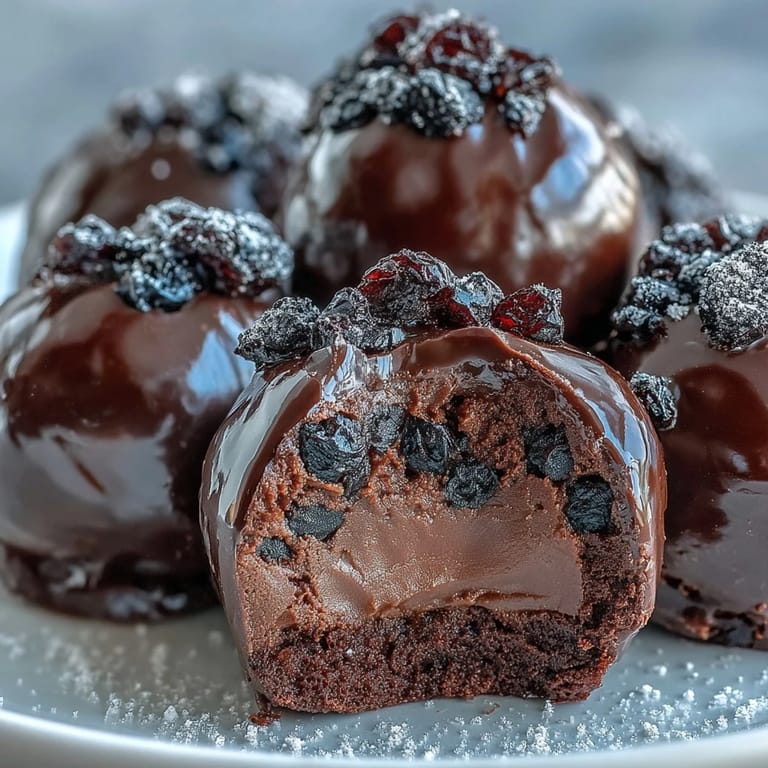
- Freeze-dried black currants, crushed (2 tbsp, optional garnish): These add a beautiful pop of color and a hint of tartness right when you need it most.
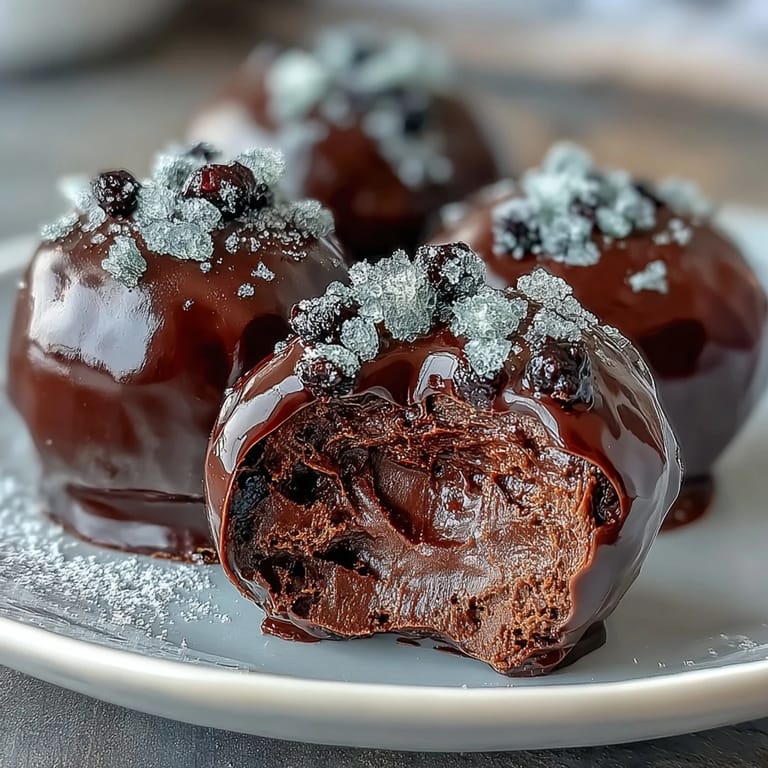
- Cocoa powder (2 tbsp, optional garnish): A light dusting over some truffles creates visual interest and adds a subtle bitterness that complements the filling.
Tired of Takeout? 🥡
Get 10 meals you can make faster than delivery arrives. Seriously.
One email. No spam. Unsubscribe anytime.
Instructions
- Heat the cream until it steams gently:
- Watch for tiny bubbles around the edge of the saucepan—you're looking for that moment just before a rolling boil, not after. This temperature is crucial because it will melt your chocolate without scorching it.
- Let the chocolate sit in the hot cream for a breath:
- This isn't laziness, it's chemistry—that minute of sitting allows the residual heat to soften the chocolate enough that stirring becomes effortless, creating a genuinely smooth ganache rather than a grainy one.
- Fold in the butter and fruit purée with intention:
- Stir slowly and deliberately, watching the ganache transform into something glossy and almost alive-looking. If you rush this, you'll incorporate air bubbles that ruin the final texture.
- Chill until the ganache holds its shape:
- One to two hours does it, but you'll know it's ready when you can roll a small amount between your palms and it holds without sticking. Impatience here means truffles that collapse during dipping.
- Roll each truffle like you're shaping something delicate:
- Room-temperature hands actually help here—work quickly and don't overthink it, because excessive handling melts the ganache. If your hands get too warm, rinse them in cold water and dry thoroughly.
- Freeze the rolled truffles to lock in their shape:
- Twenty minutes is the minimum, but this step matters because warm ganache will split when it hits hot melted chocolate. Think of it as giving them armor before battle.
- Melt the chocolate gently over simmering water:
- The double boiler method prevents scorching, which creates a bitter, seized chocolate that no amount of hope will salvage. Stir frequently and let it cool slightly before dipping so it sets cleanly.
- Dip with a swift, confident motion:
- One second in, one second out—you're not baptizing them, just coating them. The fork method works beautifully; let excess chocolate drip off so you get a thin, elegant shell rather than a thick cocoon.
- Garnish while the coating is still wet:
- The freeze-dried currants will stick to wet chocolate but slide right off once it sets, so timing is everything here. A light hand with the cocoa powder prevents a dusty, overdone appearance.
- Let them set at your preferred pace:
- Room temperature takes about thirty minutes and creates a slightly softer bite, while the refrigerator sets them faster with a firmer snap.
 Pin It
 There's something almost meditative about rolling ganache into perfect spheres, the repetitive motion becoming soothing once you stop expecting perfection. These truffles aren't just dessert; they became my quiet ritual on Sunday afternoons, a way to slow down and create something tangible when everything else felt abstract.
Why Black Currants Belong in Chocolate
Black currants have this almost impossible quality—they're tart without being sour, floral without being perfumy, and they somehow make chocolate taste more like itself rather than competing with it. The flavor pairing isn't trendy; it's been beloved in European patisseries for generations because it simply works. When you taste that tartness cutting through the cocoa, you understand why this combination has endured.
Troubleshooting Common Truffle Disasters
Ganache too soft for rolling means it needs more time in the refrigerator or you used warm ingredients—next time, chill everything beforehand. Chocolate seizing during melting happens when water gets into the mixture, so keep your double boiler setup dry and never let steam touch the chocolate. Coating cracks as it sets usually signals temperature shock; letting the melted chocolate cool slightly before dipping prevents this entirely. The beautiful thing about truffles is that even imperfect ones taste incredible, so small visual flaws never matter as much as you think they will.
Storage, Gifting, and Endless Variation
These keep beautifully in the refrigerator for a full week, their flavors actually deepening slightly as they sit, which makes them perfect for gifting or staggered enjoyment. Swap the black currant purée for raspberry or cherry and you have an entirely different experience, each fruit bringing its own personality to the party. The ganache can be infused with different liqueurs—crème de violette, Grand Marnier, or even a splash of vintage balsamic for something unexpected—so once you master the technique, the variations become endless.
- Package them in a small box lined with parchment and they become a genuinely special gift that costs less than store-bought versions.
- A dairy-free version using coconut cream and vegan chocolate works remarkably well, though the texture becomes slightly less glossy.
- These pair beautifully with strong black tea, ruby port, or even a crisp gin and tonic if you're feeling adventurous.
 Pin It
 There's genuine magic in the moment when someone takes that first bite and their expression shifts from polite to genuinely surprised. These truffles give you that gift, and that's worth every careful second you spend making them.
Questions About This Recipe
- → What makes black currant and chocolate such a good combination?
The natural tartness and slight astringency of black currants cuts through the richness of dark chocolate, creating a sophisticated flavor profile. The fruit's bright acidity balances the cocoa's deep, earthy notes while complementing its bitterness. This interplay prevents the truffles from feeling overly heavy, resulting in a more complex and refined tasting experience.
- → Can I use fresh black currants instead of purée?
Fresh black currants contain too much water and seeds for ganache applications, which would disrupt the smooth emulsion needed for proper texture. Black currant purée provides concentrated flavor without excess moisture. You can make your own purée by cooking fresh or frozen currants with a splash of water, then pressing through a fine-mesh sieve to remove skins and seeds before reducing slightly.
- → Why must the ganache chill before shaping?
Proper chilling allows the ganache to firm to a workable consistency for rolling into uniform spheres. If too warm, the mixture will stick to your hands and lose shape; if too cold, it becomes crumbly and difficult to form smoothly. One to two hours of refrigeration achieves the ideal pliable yet firm texture for creating professional-looking truffles that hold their shape during coating.
- → What's the purpose of adding butter to the ganache?
Butter enhances the luxurious mouthfeel of the ganache by contributing milk solids and additional fat that create exceptional smoothness. It also helps stabilize the emulsion between the chocolate and cream while adding subtle richness that complements the dark chocolate's intensity. Room temperature butter incorporates seamlessly without creating graininess or separation.
- → How do I achieve a smooth chocolate coating without streaks?
The key is properly tempering your coating chocolate and maintaining the correct working temperature. Melt the chocolate gently using a double boiler, then let it cool to approximately 88°F (31°C) for dark chocolate before dipping. Work efficiently, tap your dipping tool gently to remove excess, and avoid overhandling. Room temperature setting produces the glossiest finish, though refrigeration works faster.
- → What other fruit variations work well in this recipe?
Raspberry, cherry, passion fruit, and blackberry purées all create excellent variations following the same technique. Each fruit brings distinct characteristics: raspberries offer bright tartness, cherries provide deep sweetness, passion fruit adds tropical acidity, and blackberries contribute earthy notes. Maintain the same purée quantity and adjust sugar slightly based on fruit sweetness for balanced results.