 Pin It
 The first time I made coconut jasmine rice, I was standing in a friend's kitchen at dusk, the light turning golden as she walked me through the steps her grandmother had taught her years ago. She didn't use a recipe—just her hands and instinct—and watching the coconut milk slowly warm and wrap itself around each grain felt like learning a small, generous secret. That evening, something clicked: rice didn't have to be plain or utilitarian. It could whisper.
I made this rice for a dinner party once when someone brought an incredible green curry, and I remember the relief I felt when everyone went quiet for a moment—that wordless pause that happens when food is exactly right. The rice had soaked up the coconut milk completely, each kernel separate and gleaming, ready to catch the sauce. It wasn't the star of the meal, but it felt like the thing that made everything else possible.
Ingredients
- Jasmine Rice (1 cup): Choose a good quality brand if you can—the fragrance matters and makes a real difference in the final dish.
- Full-Fat Unsweetened Coconut Milk (1 cup): This is not negotiable; light versions will give you a thin, watery result instead of that creamy, luxurious finish.
- Water (1 cup): Use filtered or good tap water—the rice is delicate and will absorb whatever liquid you give it.
- Salt (½ teaspoon): This small amount wakes up the sweetness of the coconut without making the rice taste salty.
- Sugar (1 teaspoon, optional): Add this only if you're pairing the rice with something savory and want a subtle sweetness to balance it out.
Tired of Takeout? 🥡
Get 10 meals you can make faster than delivery arrives. Seriously.
One email. No spam. Unsubscribe anytime.
Instructions
- Rinse the Rice Thoroughly:
- Hold the rice under cold running water and gently swish it with your fingers until the water runs clear. This removes the starch coating that would otherwise make the rice gluey and heavy. You'll feel the difference in your hands—the rice will go from milky-cloudy to translucent.
- Combine Everything in the Pan:
- In a medium saucepan, pour the rinsed rice, coconut milk, water, salt, and sugar if you're using it. Stir once or twice, just enough to combine—you're not trying to break the rice or agitate it.
- Bring to a Gentle Boil:
- Set the heat to medium and watch it warm. You'll see small bubbles forming at the edges first, then the whole surface will begin to shimmer. Listen for the moment it shifts from quiet to actively bubbling—that's when you know to adjust the heat.
- Reduce Heat and Cover:
- Once it's boiling, turn the heat down to low and cover the pan tightly with a lid. A tight seal is important because steam needs to stay inside, doing its work of softening the rice.
- Simmer Without Peeking:
- Set a timer for 15 minutes and resist the urge to lift the lid. Every time you do, you let steam escape and interrupt the cooking. The rice knows what to do if you let it be.
- Rest and Fluff:
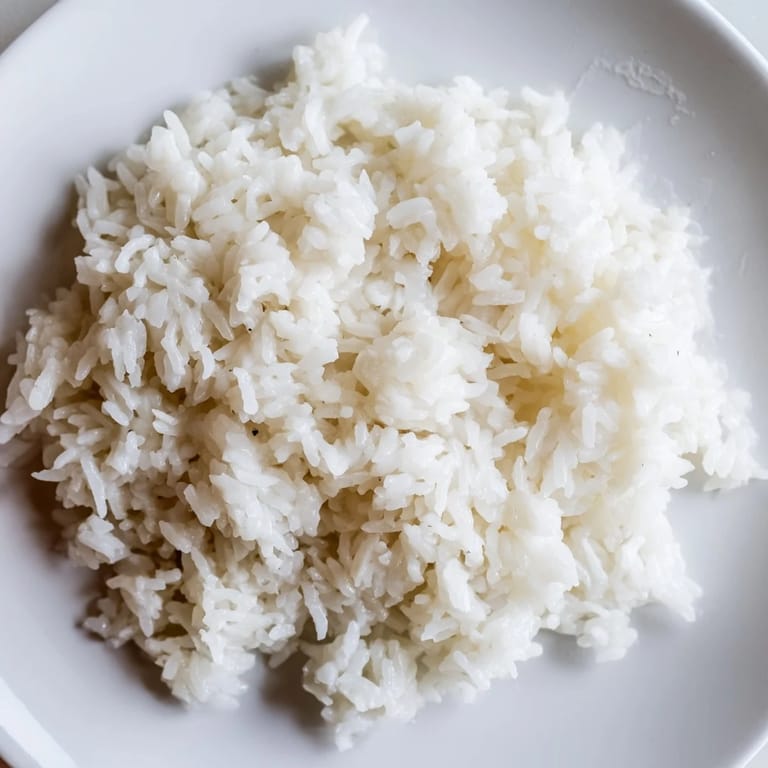
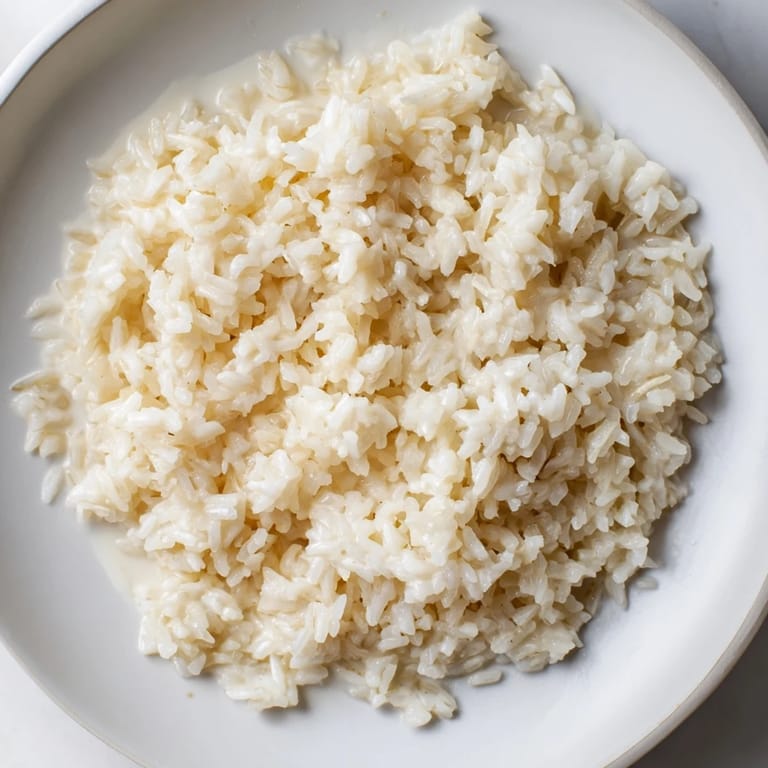
- When the timer goes off, remove the pan from heat but keep the lid on for another 10 minutes. Then, use a fork to gently separate the grains, turning them over in the pan like you're combing through something precious.
 Pin It
 There's a moment, right after you fluff the rice with a fork, when you lean over the pan and breathe in—and suddenly you're somewhere else. That aroma, that gentle perfume of jasmine and coconut, carries you somewhere warm and unhurried. It's the kind of small magic that reminds you why cooking matters.
Making It Your Own
If you want to add more flavor, try slipping a pandan leaf or a thin slice of ginger into the liquid as it simmers—just remember to fish it out before serving. Some cooks add a pinch of turmeric or a single cardamom pod, which shifts the taste in subtle, beautiful ways. The rice is forgiving and open to these small additions, so don't be afraid to experiment once you've made it plain a time or two.
What to Serve It With
This rice is a peacekeeper—it gets along with almost anything, but it truly shines next to something with a bold sauce or rich flavors. Thai curries are the obvious pairing, but it's equally good under grilled chicken, alongside stir-fried vegetables, or even as the base for a simple meal with roasted fish. It's the kind of rice that makes other things taste better.
The Small Details That Matter
After a few times making this, you'll start noticing small things: the exact moment the pan stops steaming, the sound the rice grains make when they're perfectly cooked, the way coconut milk coats your tongue. These details aren't technical requirements—they're just what happens when you pay attention to something simple and let yourself enjoy the process.
- If your rice comes out too wet, you likely peeked too many times or didn't let it rest long enough; trust the timing next time and you'll see the difference.
- Make extra and eat it cold the next day with a drizzle of soy sauce and some fresh herbs—it's just as good and takes two minutes to prepare.
- Keep your coconut milk in the pantry and jasmine rice on hand because this dish takes so little time that it's perfect for nights when you haven't planned ahead.
 Pin It
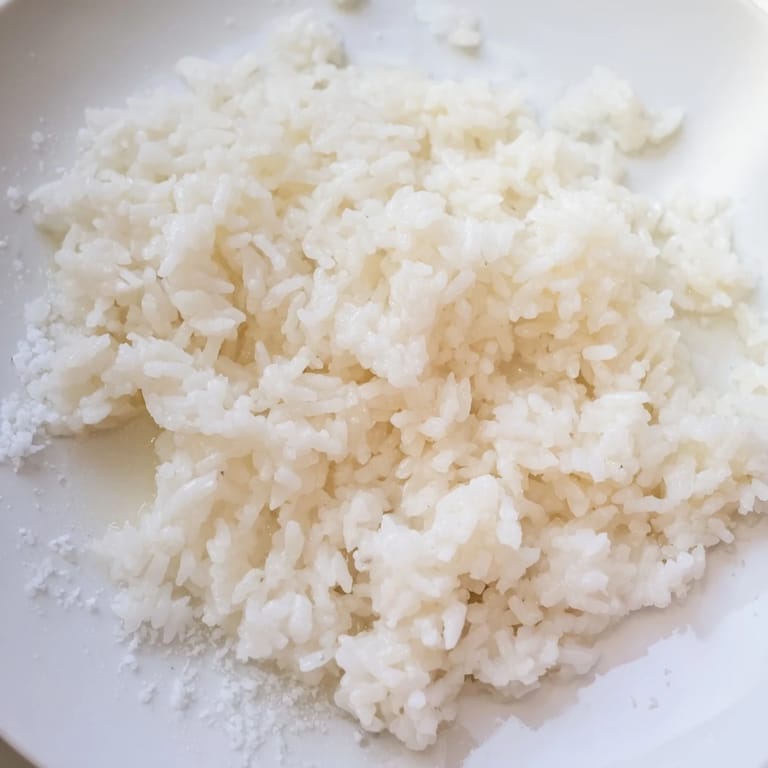
 This rice is proof that a side dish doesn't have to be an afterthought—it can be the thing that makes people close their eyes for a moment and just enjoy what's on their plate. Make it with care, and it will become something you find yourself craving.
Questions About This Recipe
- → Can I use regular rice instead of jasmine rice?
Jasmine rice is preferred for its fragrance and texture, but medium-grain rice can be used with slight changes in cooking time.
- → How can I make the rice more aromatic?
Add pandan leaves or a small piece of ginger during cooking and remove before serving to boost the aroma.
- → Is it necessary to rinse the rice before cooking?
Rinsing removes excess starch, ensuring fluffy and separated grains after cooking.
- → Can I replace water with more coconut milk?
Yes, substituting water with additional coconut milk will give a richer, creamier flavor.
- → How should I store leftovers?
Store any leftovers in an airtight container in the refrigerator and consume within 2 days for best quality.