 Pin It
 Steam began curling up from the pasta pot just as a feisty rainstorm rattled against my kitchen windows, turning my usual weeknight routine into something unexpectedly cozy. The scent of gochujang mingling with melted butter filled the air, hinting at the punchy, creamy sauce that was about to happen. With an open window and chopsticks at the ready, I discovered how a single pantry staple—a jar of gochujang—could utterly transform the mundane into something worth swirling your fork for. The first bite, sweet-heat clinging to every noodle, made me forget the chaos of the day. I found myself reaching for seconds, warmed from the inside out.
The night I first tossed this together, my friend called as I was garnishing with sesame seeds, laughing at my attempt to pronounce 'gochujang' with just the right punch. We ended up FaceTiming over our dinners—hers in Seoul, mine in my tiny apartment—and debated which garnish was superior: sesame or scallion. She insisted on both, and I’ve never looked back. It became a kitchen memory I return to every time I dig out the chili paste from the fridge. There’s something about sharing a meal, even virtually, that lifts any dish into a little celebration.
Ingredients
- Spaghetti or linguine: This is the sturdy canvas—choose a shape that can soak up creamy sauce and don’t forget to cook it just to al dente for perfect texture.
- Salt: Salt is more than seasoning here—salting the pasta water deeply flavors every bite.
- Unsalted butter: Using unsalted lets you control the dish’s seasoning, and nothing quite matches the richness it brings when combined with gochujang.
- Garlic: Always go for fresh cloves finely minced; they mellow into sweetness as they sizzle in the butter.
- Gochujang (Korean chili paste): This is the heart of the dish, offering a gentle, sweet-spicy heat and irresistible umami—be generous, but taste as you go!
- Soy sauce: Adds depth and salt, balancing the sweetness of honey and heat of the chili paste.
- Honey or maple syrup: A touch of sweetness smooths out the spice—maple syrup works brilliantly for a vegan twist.
- Pasta cooking water: This starchy water loosens and emulsifies the sauce so it hugs every noodle.
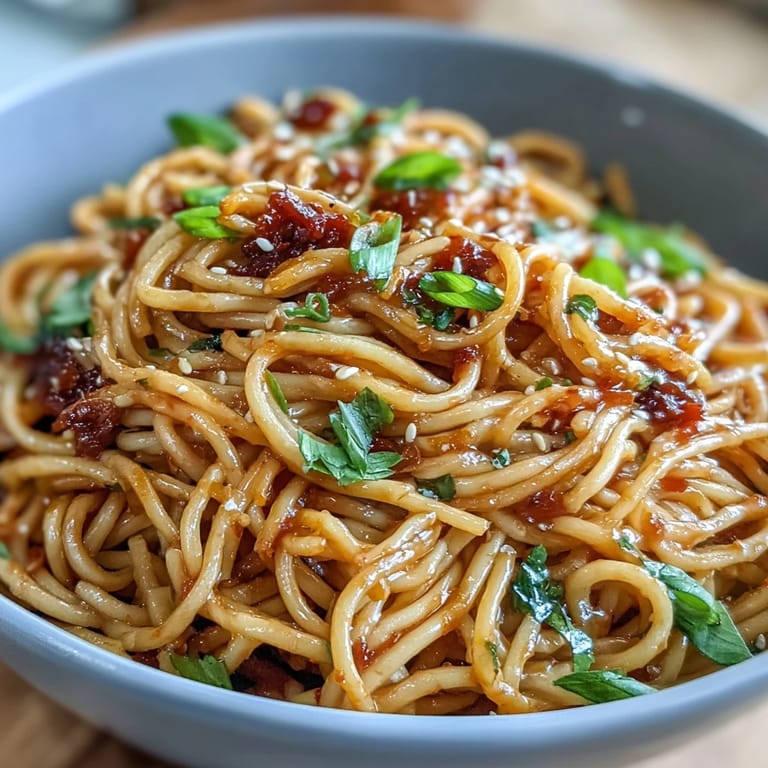
- Spring onions: Sliced thin, they add a fresh bite and a lovely color pop right at the end.
- Toasted sesame seeds: Sprinkle lightly for an unexpected crunch and gentle smokiness.
- Freshly ground black pepper: Grind over the top just before serving to punctuate each bite.
Tired of Takeout? 🥡
Get 10 meals you can make faster than delivery arrives. Seriously.
One email. No spam. Unsubscribe anytime.
Instructions
- Boil and prep the pasta:
- Bring a big pot of salted water to a rolling boil and stir in your pasta of choice—let it dance to al dente perfection, then reserve a splash of the starchy water before draining.
- Sizzle the aromatics:
- Melt the butter in a large skillet, and as soon as it begins to froth, shower in the minced garlic; let it hiss gently, releasing all its flavor without letting it brown.
- Make the sauce:
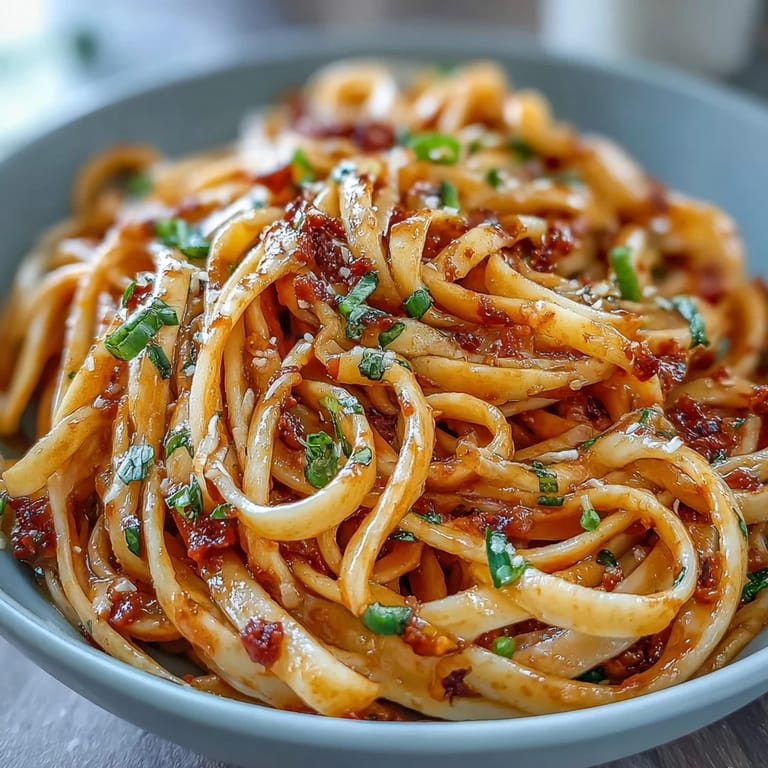
- Stir in the gochujang, soy sauce, and honey or maple syrup—flattening the chili paste into the butter until it’s all one glossy, brick-red marvel that smells deeply savory.
- Toss and coat:
- Add the drained pasta directly to the skillet, splash in the reserved cooking water, and tumble everything together over medium heat until the sauce clings and shines on every noodle.
- Garnish and serve:
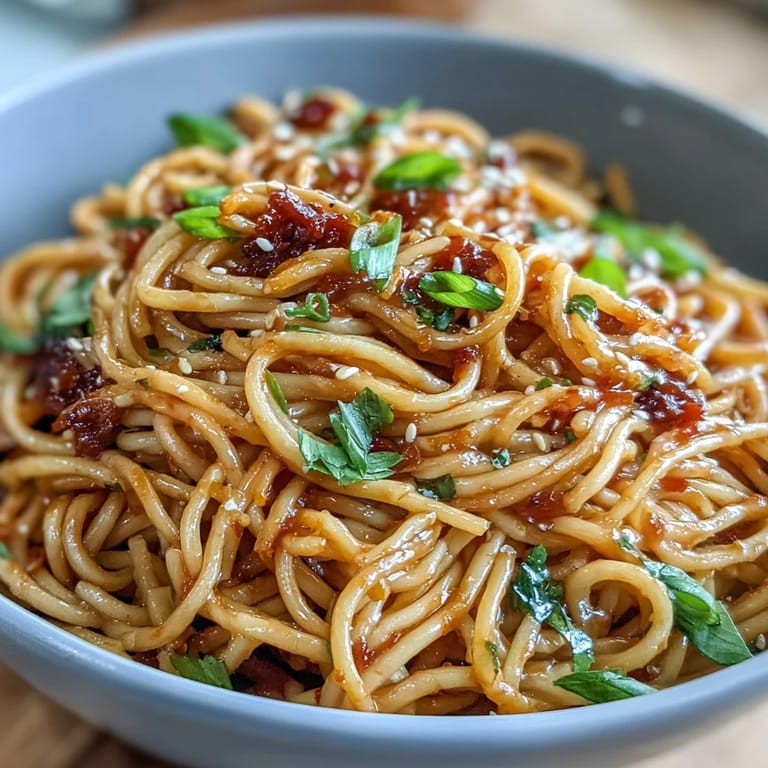
- Divide the saucy pasta between bowls, scatter with spring onions and sesame seeds, then finish with a fresh grind of black pepper—dive in while it’s steamy and luscious.
 Pin It
  Pin It
 I still smile thinking back to the first time someone asked for seconds before I’d even sat down myself—proof that sometimes the simplest dishes bring people together with startling speed. There’s real joy in watching friends scrape their bowls for that last bit of sauce.
What Makes the Sauce So Luxurious?
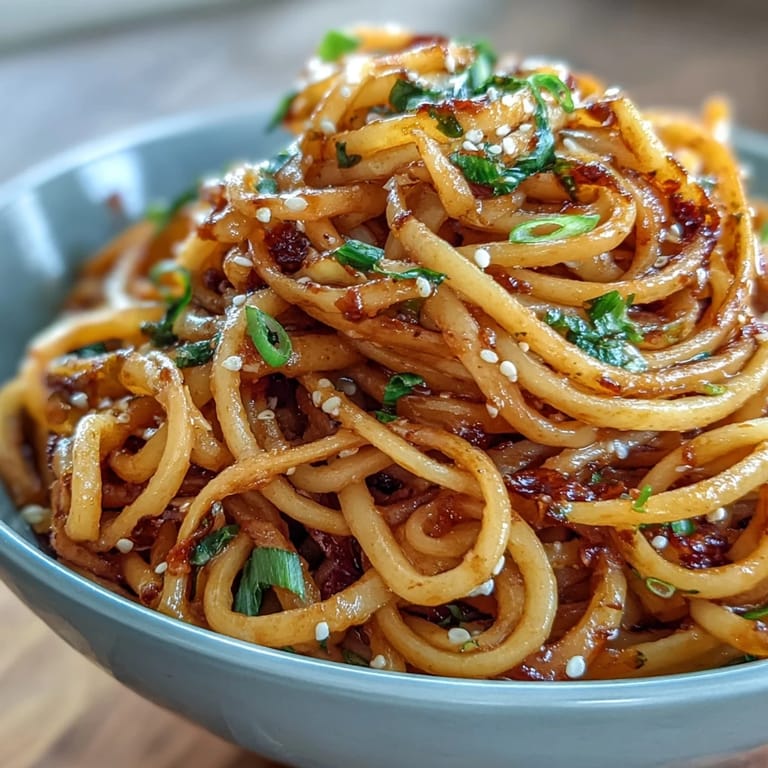
I’ve learned the magic happens when you really let the gochujang melt fully into the butter. Even a short extra minute of stirring helps the sauce turn from just 'mixed' to truly silky, with a rounder flavor and glossy coat.
Switch It Up With Additions
Don’t hesitate to fold in wilted spinach or crispy mushrooms just before serving—the sauce wraps lovingly around greens and veggies. Topping with a jammy egg or crisped tofu changes things up for protein, and I’ve even tossed in leftover roasted squash on cozy fall nights for extra depth.
Troubleshooting Gochujang Butter Pasta
No two pans ever feel exactly the same—sometimes the sauce seems thin after tossing, and sometimes it tightens up instantly. Just add an extra splash of pasta water if it seizes up, or simmer another minute if it’s too loose; trust your senses and you’ll hit the right spot.
- Always taste and adjust—if it’s too spicy, drizzle in a touch more honey.
- Don’t overcrowd the pan or the sauce won’t emulsify properly.
- Remember, leftovers make a killer cold noodle lunch for tomorrow.
 Pin It
  Pin It
 May this gochujang butter pasta warm you on stormy nights and make your kitchen smell irresistible. Lingering over the last bite is, honestly, half the fun.
Questions About This Recipe
- → How spicy is the sauce and how can I adjust the heat?
Gochujang brings a gentle, sweet heat. Reduce the amount or mix with extra butter or a splash of cream to mellow it. For more kick, add a pinch of red pepper flakes or a dab of chili paste.
- → Can I make this dairy-free or vegan?
Yes. Substitute plant-based butter and use maple syrup instead of honey. Ensure your gochujang and soy sauce labels are vegan, as some brands contain fish or shrimp extracts.
- → What pasta works best for the sauce?
Long strands like spaghetti or linguine allow the glossy sauce to cling nicely, but short shapes like fusilli or rigatoni also work if you want more pockets of sauce.
- → How do I get the sauce glossy and well-emulsified?
Reserve some pasta cooking water and add it gradually while tossing over heat; the starch helps bind butter, gochujang and soy into a silky coating that clings to the pasta.
- → Can I add vegetables or protein?
Yes—sautéed mushrooms, wilted spinach, or blistered cherry tomatoes add freshness. For protein, top with a soft-boiled egg, crispy tofu, or pan-seared shrimp depending on dietary preference.
- → How should I store and reheat leftovers?
Refrigerate leftovers in an airtight container for up to 2 days. Reheat gently in a skillet with a splash of water or broth, tossing until warmed and glossy to avoid drying out the sauce.