 Pin It
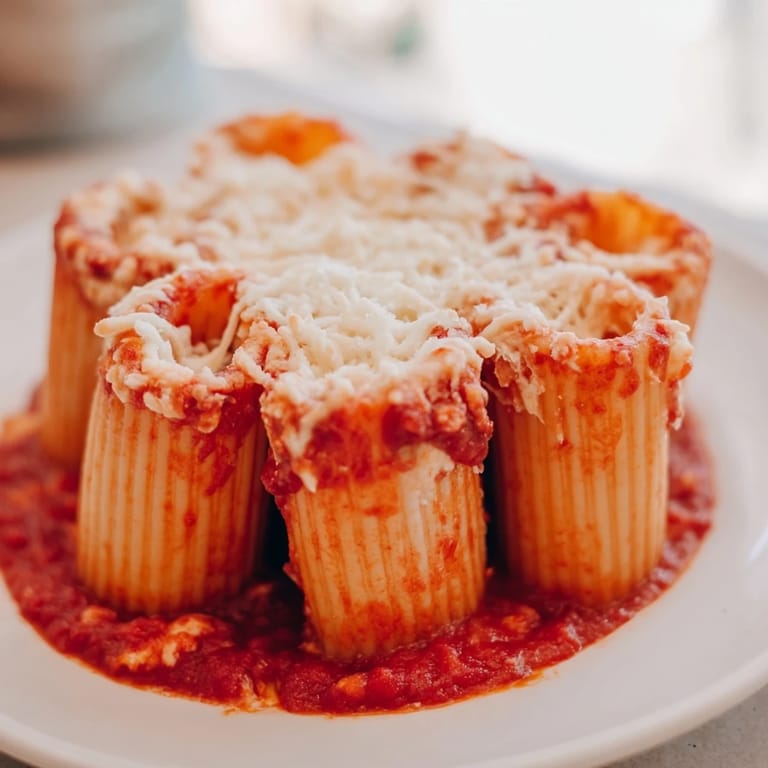
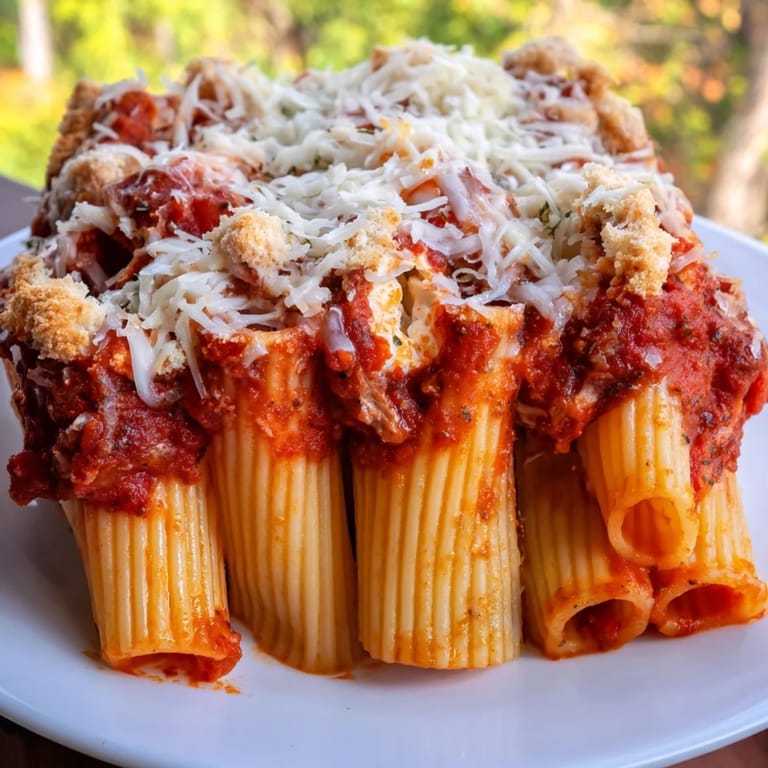
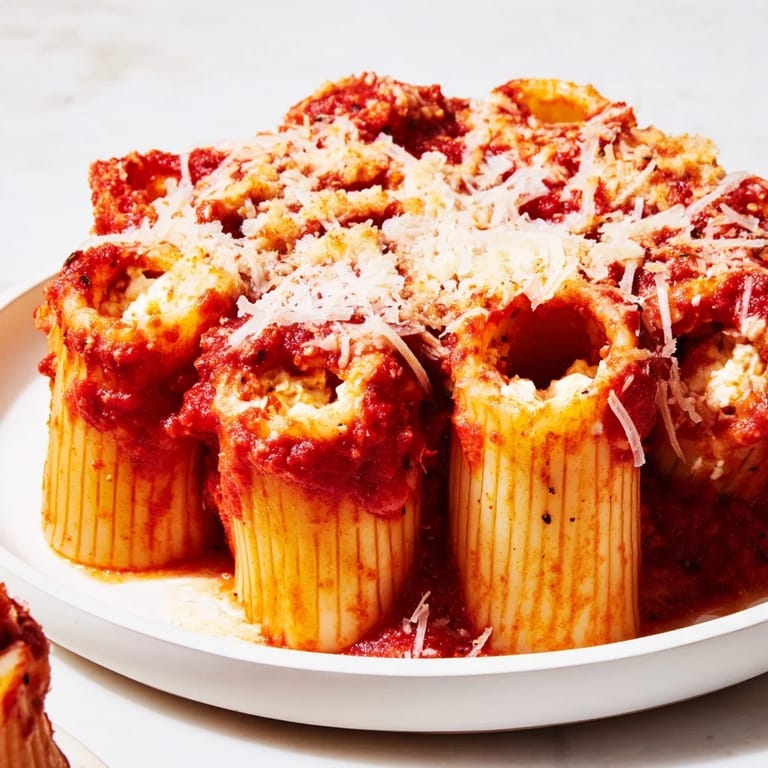
 The first time I stood a tube of rigatoni upright and saw it transform into something sculptural, I knew I'd stumbled onto something special. My sister was visiting, and I wanted to impress her with something that looked like I'd spent hours fussing—turns out you don't need fancy plating when the pasta itself becomes the architecture. That honeycomb effect, all those tubes nestled together with creamy cheese peeking through the marinara, felt like edible art. She took one bite and asked for the recipe before dessert even arrived.
I made this for a potluck dinner where everyone was bringing some version of baked pasta, and I was nervous about being outshined. But when I pulled it from the oven and the cheese was bubbling in that perfect amber-brown way, I watched it become the first thing people gathered around. The way it sliced was so clean, each tube still holding its shape—there's something deeply satisfying about that structural integrity when you're serving food.
Ingredients
- Rigatoni (500 g): The short, wide tubes are essential—they hold the filling perfectly and cook evenly when stood upright instead of lying flat and competing for sauce.
- Ricotta cheese (350 g): This is your base, and it needs to be creamy, not grainy; cheap ricotta can get rubbery, so spend a little more if you can.
- Mozzarella, grated (100 g for filling, 150 g for topping): Fresh mozzarella will break down into oil, so stick with low-moisture or whole milk mozzarella that melts smoothly.
- Parmesan cheese (50 g mixed in, 2 tbsp on top): It's the flavor anchor that keeps everything from being one-note creamy.
- Large egg (1): This binds the filling so it doesn't slide out during baking—don't skip it or use a small one.
- Fresh basil and parsley (1 tbsp each): Fresh herbs are worth buying because dried won't give you those green flecks that signal quality.
- Marinara sauce (700 ml): Use something you'd actually eat on its own; this isn't the place for bargain sauce.
- Olive oil (1 tbsp, plus more for cooking and greasing): It helps the pasta move freely and prevents that starchy clumping.
Tired of Takeout? 🥡
Get 10 meals you can make faster than delivery arrives. Seriously.
One email. No spam. Unsubscribe anytime.
Instructions
- Set up your stage:
- Preheat your oven to 200°C (400°F) and grease that springform pan really well—this pasta is going to steam and you want it to release cleanly. Line the bottom with parchment paper so the whole thing slides out like a dream.
- Cook pasta just shy of done:
- Drop the rigatoni into salted boiling water and pull it out 2 minutes early—those tubes need to stay firm enough to stand upright without toppling or getting soggy. Drain it quickly and toss with a little olive oil so they don't weld together.
- Build your cheese mixture:
- In a bowl, combine ricotta, mozzarella, Parmesan, egg, basil, parsley, salt, and pepper—mix until it's completely smooth with no lumps of ricotta hiding in there. This is your filling, and it needs to be lush.
- Stand the pasta like soldiers:
- Pack those tubes upright in the pan, pushing them snugly together so they support each other as they bake. There shouldn't be any wobbly gaps—think honeycomb, not random forest.
- Fill each tube with precision:
- Transfer your cheese mixture into a piping bag or snipped zip-top bag and fill each tube from the top, working steadily so every one gets its share. You'll feel the cheese resistance as the tube fills, and you stop when it reaches the rim.
- Pour sauce like you mean it:
- Distribute the marinara evenly over the tops, then gently tap the pan on the counter a few times so the sauce flows between the tubes and does its work from above and below. Don't drown them—you want structure, not soup.
- Top with cheese for the finale:
- Scatter shredded mozzarella and Parmesan over everything so they'll caramelize into that golden-brown crust.
- Bake covered, then revealed:
- Tent with foil and bake for 25 minutes so nothing dries out, then remove the foil and bake another 10 minutes until the top is properly golden and cheese is bubbling at the edges. The whole thing should smell like a trattoria.
- Rest before serving:
- Let it sit for 10 minutes so the filling sets and everything knits together—then release that springform and slice into wedges.
 Pin It
 There's a moment, right when you pull this from the oven, where the kitchen fills with this warm smell of melted cheese and tomato that makes people stop what they're doing and follow it like they're hypnotized. That's when you know you've made something worth remembering.
Playing with the Filling
Once you've made this the straight way, you'll start seeing opportunities. I've stirred sautéed spinach into the cheese mixture on nights when I wanted something greener, and I've also crumbled cooked Italian sausage into it for people who missed meat—both work without changing the structure. The filling is forgiving as long as you don't make it so wet that it slumps out, so think of it as a foundation you can customize.
Timing and Temperature Tricks
Getting the temperature right means the difference between cheese that's bubbly-perfect and cheese that's broken into greasy puddles. If your oven runs hot, watch it after you remove the foil—golden brown happens faster than you'd think, and you don't want to bake past it. Every oven breathes differently, so trust your eyes more than the timer once you get to that final ten minutes.
Make It Your Own
This recipe is a template that becomes better the more you understand what each part does. Serve it alongside a sharp green salad to cut through the richness, and open a bottle of Chianti if you're in the mood for that kind of dinner. The day after, it's almost better cold or gently reheated, the flavors more settled and pronounced.
- You can swap ricotta for cottage cheese, though it'll be slightly less silky—strain it first so it's not watery.
- If you don't have a springform pan, a deep round baking dish works fine; just let it cool longer before serving so the pasta sets enough to slice neatly.
- Make this ahead and refrigerate it unbaked, then add 10 extra minutes to the covered baking time when you're ready to cook.
 Pin It
 This is the kind of dish that feels special without being fussy, which is maybe the whole secret to cooking things people actually want to eat. Make it once and you'll find yourself making it again.
Questions About This Recipe
- → What pasta type works best for this bake?
Rigatoni is ideal due to its tube shape, allowing the cheese filling to be stuffed inside easily.
- → How is the cheese filling prepared?
The filling mixes ricotta, mozzarella, grated Parmesan, an egg, and fresh herbs for a creamy, flavorful blend.
- → Why arrange pasta tubes upright in the pan?
Standing rigatoni upright lets the filling settle inside and creates the signature honeycomb appearance once baked.
- → Can I customize the sauce?
Yes, a rich marinara sauce works best, but variations like adding sautéed spinach or sausage to the filling add extra flavor.
- → How long should the bake rest before serving?
Allowing it to stand 10 minutes after baking helps the dish set and makes slicing easier.