 Pin It
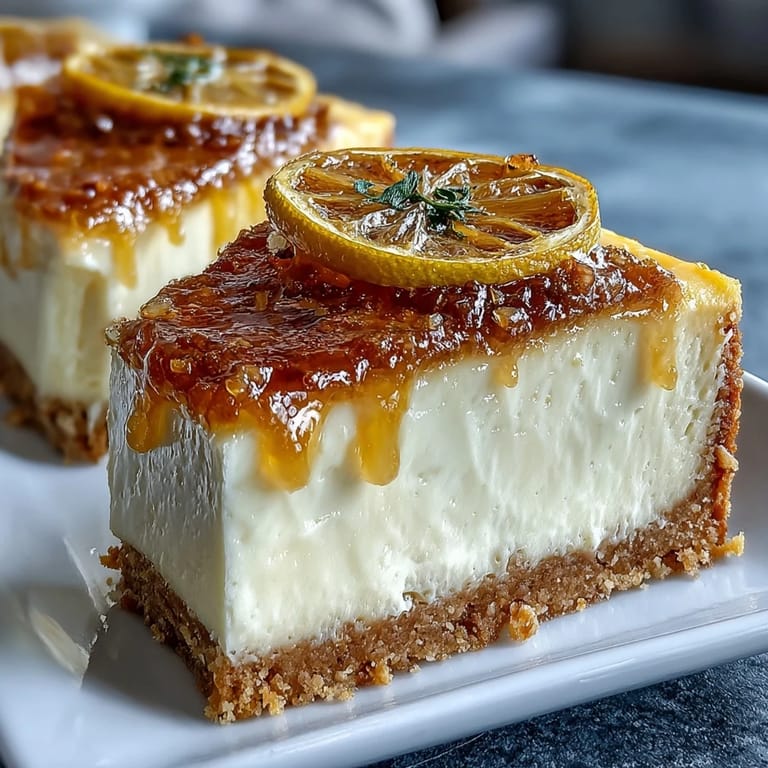
 There's something about the sharp brightness of lemon that stops a dinner table mid-conversation. Years ago, a friend brought a tart like this to a spring gathering, and I watched people actually pause between bites—not to chat, but to close their eyes and experience that perfect balance of tartness and buttery richness. That's when I realized this wasn't just dessert; it was a moment. The crust shatters under your fork, the filling quivers slightly at the center, and somehow it tastes like sunshine in a pastry shell.
I made this for my sister's garden party last June, and the day turned into one of those unexpectedly perfect afternoons. The tart sat on a white linen cloth, catching the late-day sun, and somehow it looked even more beautiful than I'd imagined while baking. Someone asked for the recipe before they'd even finished their slice, which I'm pretty sure is the highest compliment a homemade dessert can receive.
Ingredients
- All-purpose flour (1 1/4 cups): The foundation—use a lighter hand when measuring than you think you need, because flour can pack down and make the crust tough.
- Cold unsalted butter (1/2 cup for crust): This is non-negotiable; warm butter creates a greasy crust instead of a flaky one, so keep it in the freezer until the last possible moment.
- Powdered sugar (1/4 cup): Adds subtle sweetness to the crust without requiring the extra liquid that granulated sugar would demand.
- Fine sea salt (1/4 tsp): A tiny pinch that makes every other flavor sing—don't skip it even though you won't taste salt specifically.
- Egg yolk (1 large): The binding agent that transforms crumbs into dough; keep it cold on ice if your kitchen is warm.
- Ice water (2–3 tbsp): The minimalist's secret to flaky pastry—use as little as possible and add drop by drop once you're close.
- Eggs and egg yolks (3 large eggs plus 2 yolks): Creates a custard filling that's silky without being dense or rubbery.
- Granulated sugar (1 cup): Sweetens the filling just enough to balance the lemon's pucker without masking its character.
- Fresh lemon juice (2/3 cup): The soul of this tart—room temperature lemons yield more juice, so leave them out for an hour before squeezing.
- Lemon zest (2 tsp): Use a microplane and zest before juicing so the fruit doesn't dry out; this fragrant powder is where most of the flavor magic lives.
- Melted butter (1/2 cup): Cooled slightly before mixing ensures the eggs don't scramble and creates an impossibly rich crumb.
Tired of Takeout? 🥡
Get 10 meals you can make faster than delivery arrives. Seriously.
One email. No spam. Unsubscribe anytime.
Instructions
- Set the stage:
- Preheat your oven to 350°F and gather everything—cold butter cubed, eggs separated into two bowls, lemon zest done before the juicing. A calm mise en place makes the actual cooking feel less chaotic.
- Build the crust:
- Pulse flour, powdered sugar, and salt in a food processor, then add cold butter and pulse until it looks like coarse breadcrumbs with some pea-sized pieces still visible. Add the egg yolk and two tablespoons of ice water, then pulse just until the dough barely holds together when squeezed—the goal is tender layers, not a smooth ball. If it's still crumbly, add one more tablespoon of water, but stop as soon as it comes together because overworking develops gluten and makes the crust tough.
- Rest the dough:
- Turn the dough onto a lightly floured surface, press it into a disk, wrap it, and chill for at least 30 minutes if you have the time; this relaxes the gluten and makes rolling easier. If you're in a rush, even 15 minutes helps.
- Line the pan:
- Roll out the chilled dough to about 1/8-inch thickness and fit it into your 9-inch tart pan, pressing gently into the corners and up the sides. Trim the edges with a sharp knife, then prick the bottom all over with a fork to prevent puffing during blind baking.
- Blind bake:
- Line the crust with parchment paper and fill with pie weights or dried beans, then bake for 15 minutes until the sides are set but pale. Remove the weights and paper carefully, then bake another 10 minutes until the bottom is lightly golden and looks dry rather than wet. The crust should smell nutty and buttery at this point, which is when you know it's ready.
- Make the filling:
- While the crust cools slightly, whisk together the whole eggs, egg yolks, sugar, lemon juice, zest, cooled melted butter, and salt in a large bowl until completely smooth and pale. Strain the mixture through a fine sieve if you want an extra silky texture, though this step is optional.
- Fill and bake:
- Pour the filling into the warm crust and bake for 20–25 minutes, just until the center is set but still has the tiniest wobble when you gently shake the pan. The filling will continue cooking as it cools, so don't overbake or you'll end up with a rubbery custard instead of a creamy one.
- Cool with patience:
- Let the tart cool completely on a wire rack, then cover loosely and refrigerate for at least 2 hours, ideally overnight. The filling sets further in the cold and the flavors deepen and marry together, making it taste even better than when it first came out of the oven.
- Finish and serve:
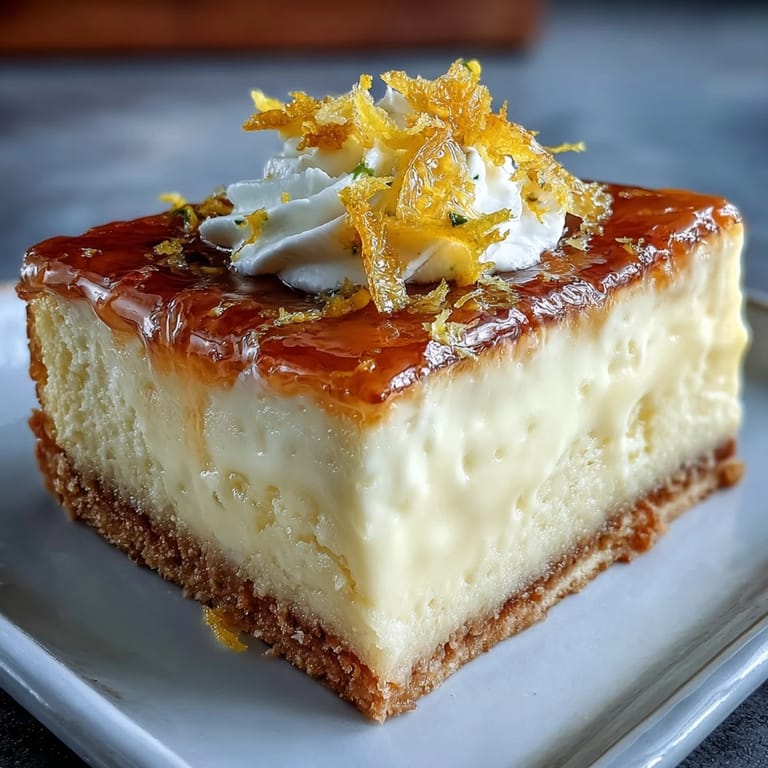
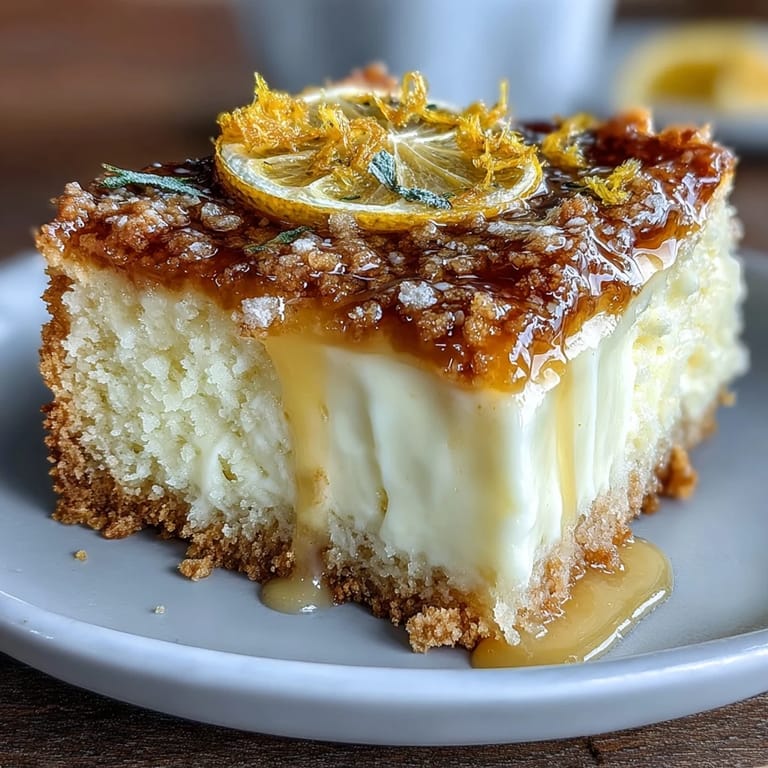
- Dust the top lightly with powdered sugar just before serving, add a few paper-thin lemon slices or fresh berries if you're feeling fancy, and let it sit at room temperature for 10 minutes so the crust isn't cold and brittle.
 Pin It
 I still remember my grandmother tapping my hand as I made this for the first time in her kitchen, whispering that a tart is just a promise—it promises brightness and elegance and the kind of simplicity that only comes from technique, not complication. She was right; every time I make this now, it feels like keeping that promise.
The Science of Flaky Pastry
Flakiness comes from tiny pockets of butter that stay separate from the flour throughout mixing and baking. When those pockets melt during baking, they create steam layers that puff the dough into delicate sheets. This is why cold butter and minimal mixing are non-negotiable—if you overwork the dough or let the butter warm up, you'll end up with a dense, tender crust instead of a shattered, flaky one. The food processor helps because it cuts the butter into flour quickly before either has a chance to warm up, which is why it's the preferred method for this recipe.
Why Lemon Zest Matters More Than You Think
The oils in lemon zest carry flavor that juice alone cannot match, which is why fresh zest transforms this tart from pleasant to memorable. When you grate zest, you're releasing those volatile oils into the filling, creating a fragrance and flavor depth that feels almost perfumed. Bottled zest has lost most of these oils and tastes muted and dusty in comparison, so always take the minute to zest fresh lemons yourself—it's genuinely the difference between a good tart and a show-stopping one.
Timing, Temperature, and the Perfect Wobble
The wobble test is real and it matters more than you'd think. When the filling still has a slight shimmer at the center but the edges are set, you've hit the sweet spot—it will firm up beautifully as it cools without turning into scrambled eggs. Every oven bakes differently, so start checking at 20 minutes by gently shaking the pan rather than trusting the timer. The filling should move like barely-set custard, not like pudding, and the top should look set but still faintly glossy rather than matte and baked through.
- Room temperature lemon juice releases more liquid and tastes less sharp than cold juice.
- Chill the tart at least overnight so the flavors settle and the texture becomes creamy rather than loose.
- Serve it within two days or the crust will begin to soften from the moisture in the filling—plan accordingly if you're making it ahead.
 Pin It
 This tart has become my answer to the question of what to bring when you want to impress but don't want anyone to know how easy it actually was. Make it, chill it, dust it, and watch people remember why they fell in love with lemon in the first place.
Questions About This Recipe
- → How do I achieve a crisp, buttery crust?
Chilling the dough before rolling helps maintain flakiness. Use cold, cubed butter and pulse briefly to create coarse crumbs. Bake with weights first to prevent shrinking.
- → Can I use different citrus for the filling?
Yes, blood oranges or limes can be substituted partially or fully for lemon juice to add unique flavors.
- → What ensures a smooth, creamy filling texture?
Whisk eggs, yolks, sugar, lemon juice, zest, and melted butter thoroughly until smooth before baking gently until just set for a silky consistency.
- → How long should the tart chill before serving?
Cool completely at room temperature then chill in the refrigerator for at least 2 hours to allow flavors to meld and filling to firm up.
- → What garnishes complement this tart best?
Light dustings of powdered sugar, thin lemon slices, fresh berries, or mint leaves add a fresh, decorative touch.