 Pin It
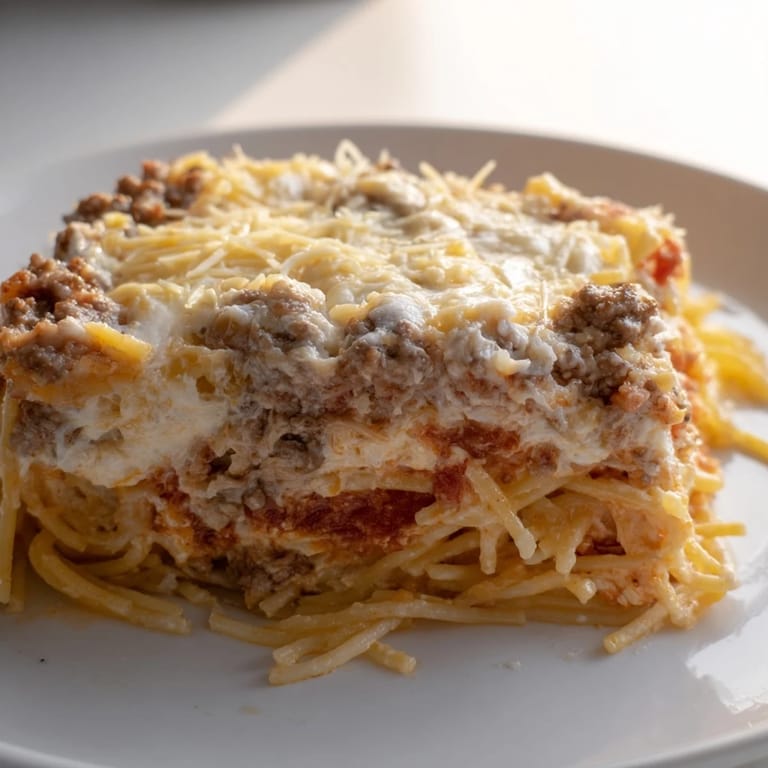
 The first time I made Million Dollar Spaghetti, it wasn't for a special occasion—it was a Tuesday night when I realized I had too much ground beef thawing and a craving for something that felt indulgent without requiring me to think too hard. I layered it together almost by accident, watching the Alfredo and marinara swirl into each other, and when it came out of the oven, bubbling and golden, I understood why people call it by such a ridiculous name. It tastes expensive, feels fancy, but comes together faster than ordering takeout.
I made this for my sister's book club once, and everyone assumed I'd spent hours in the kitchen. What they didn't know was that I'd assembled the whole thing while listening to a podcast, and the hardest part was deciding whether to use store-bought or homemade Alfredo. When someone asked for the recipe at the end of the night, I felt a little guilty admitting how simple it actually was—but that's part of the magic, isn't it?
Ingredients
- Spaghetti (1 pound): Use regular or thin spaghetti—thick pasta tends to get mushy under all those layers and cheese. Cook it just shy of tender; it'll continue cooking in the oven.
- Ground beef (1 pound) and Italian sausage (1/2 pound): The beef brings substance, but the sausage is what adds depth and a subtle fennel note that keeps this from tasting too ordinary.
- Onion and garlic: Dice the onion small enough that it softens completely; you want it to disappear into the sauce, not announce itself.
- Marinara sauce (24 oz jar): Any brand works, but taste it before adding salt—some already pack quite a bit of sodium.
- Ricotta, Alfredo sauce, and sour cream: The ricotta-Alfredo-sour cream trio is what makes this creamy without being heavy; the sour cream adds tang that balances the richness.
- Mozzarella and Parmesan cheese: Fresh mozzarella will weep water, so use low-moisture shredded; Parmesan brings saltiness and a slight nuttiness that ties everything together.
Tired of Takeout? 🥡
Get 10 meals you can make faster than delivery arrives. Seriously.
One email. No spam. Unsubscribe anytime.
Instructions
- Set your stage:
- Preheat the oven to 350°F and grease your 9x13-inch baking dish well—use a little butter or cooking spray so the edges don't stick later. Getting this ready first means you won't be scrambling when everything's hot.
- Cook the pasta:
- Boil the spaghetti until just barely al dente, maybe even a minute earlier than the package suggests. Drain it and set it aside—it's going to continue softening as it bakes.
- Brown the meat:
- In a large skillet over medium-high heat, crumble both the beef and sausage together, breaking them into small pieces as they cook. You want most of it browned, no pink hiding anywhere—this usually takes about 8 minutes. Drain off any fat pooling at the bottom.
- Build the flavor base:
- Add the diced onion and minced garlic to the meat and let them soften for 3 to 4 minutes, stirring occasionally so the garlic doesn't catch. You'll smell that sweet-savory moment when they're ready.
- Finish the sauce:
- Stir in the marinara, Italian herbs, salt, and pepper, then let it simmer gently for 5 minutes. Taste it and adjust seasoning if needed—this is your last chance before it gets baked.
- Make the creamy mixture:
- In a bowl, whisk together the ricotta, Alfredo sauce, sour cream, and egg until relatively smooth. A few small lumps are fine; over-mixing isn't your enemy here.
- Layer like you mean it:
- Spread half the cooked spaghetti across the bottom of the prepared dish, breaking it up so there are no huge clumps. This is the foundation.
- First creamy layer:
- Pour half of the Alfredo mixture over the spaghetti and spread it in an even layer. Use the back of a spoon or an offset spatula—you want coverage but don't need perfection.
- Meat sauce and cheese:
- Top with half of the meat sauce, spreading it gently so it doesn't disturb the layer below. Sprinkle 1 cup of mozzarella and half a cup of Parmesan over top.
- Repeat the layers:
- Add the remaining spaghetti, Alfredo mixture, meat sauce, and finish by scattering the last of the mozzarella and Parmesan across the top. This final layer of cheese is what gets those beautiful golden bubbles.
- Bake covered:
- Cover the dish tightly with foil and bake for 30 minutes. The foil keeps everything from drying out while the layers meld together.
- Finish golden:
- Remove the foil and bake for another 10 minutes until the cheese is bubbling and starting to brown at the edges. Don't walk away—this last stretch happens fast.
- Rest before serving:
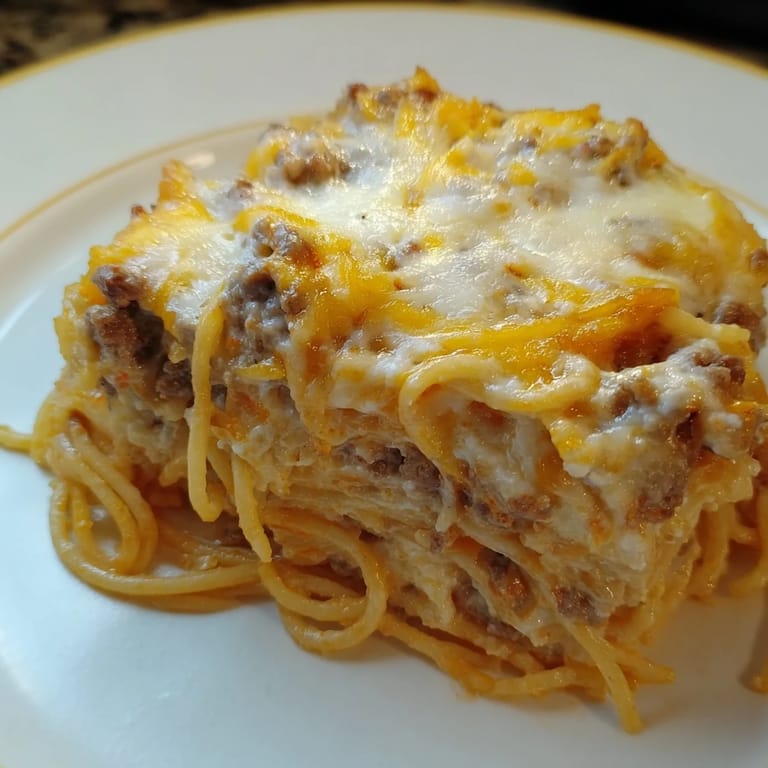
- Let the casserole sit for 10 minutes after coming out of the oven. This makes it easier to cut and lets the layers set slightly so they don't slide around on the plate.
 Pin It
 My favorite moment with this dish came on a night when someone I hadn't seen in years dropped by unexpectedly. I had this casserole in the freezer, and pulling it out felt like having a secret weapon—like I could offer something warm and generous without scrambling. That's when I realized Million Dollar Spaghetti isn't just about the flavors; it's about what it represents: generosity that doesn't feel stressed.
Make It Your Own
This recipe is sturdy enough to handle additions without falling apart. I've folded in sautéed spinach, mushrooms, or zucchini without changing the technique at all—just add them to the meat sauce before layering. For a lighter version, ground turkey and light Alfredo work beautifully, though you might lose a little richness. Roasted red peppers add color and sweetness, or you could sneak in some fresh basil between layers for brightness.
Storage and Reheating
Leftovers stay fresh in the refrigerator for up to four days, and reheating actually improves the texture because those layers have time to fully bond. Cover the dish loosely with foil and warm it in a 325°F oven for about 25 minutes—low and slow keeps it from drying out. You can also freeze the entire unbaked casserole; just add 15 to 20 minutes to the baking time if you bake it straight from frozen.
Serving Suggestions
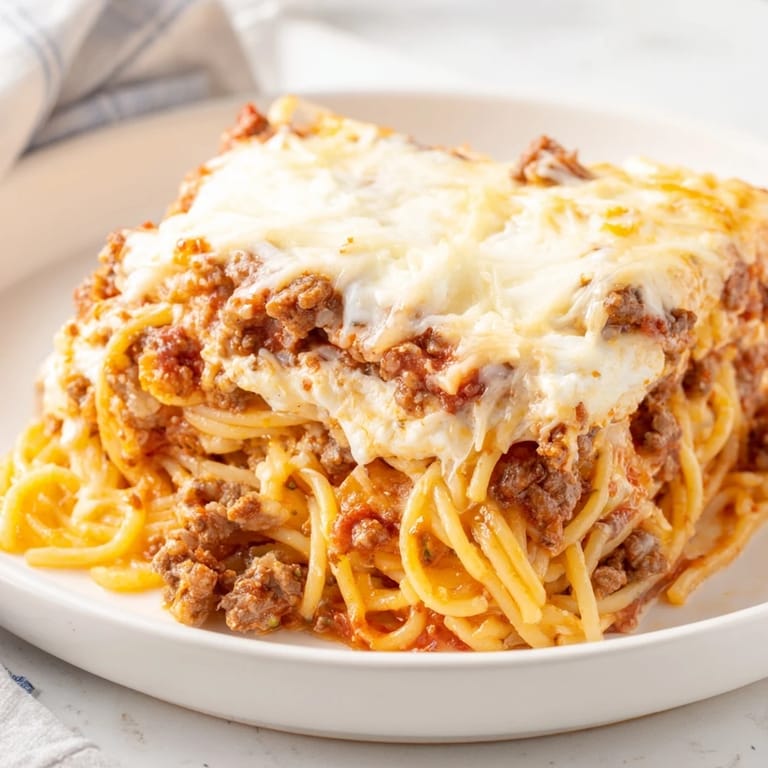
Million Dollar Spaghetti holds its own, but a crisp green salad with a sharp vinaigrette cuts through the richness beautifully. Garlic bread is practically mandatory—something to soak up any extra sauce on the plate. A simple red wine, like a Chianti or Sangiovese, pairs well without demanding attention, leaving room for conversation and whatever brought everyone to the table in the first place.
- A small side salad prevents the meal from feeling heavy.
- Warm garlic bread is less about luxury and more about respect for the casserole.
- Leftover sauce is liquid gold—freeze it for future pasta nights.
 Pin It
 This casserole has a way of becoming a regular thing once you make it the first time. It's not fancy enough to save for special occasions, but it feels special every time you eat it.
Questions About This Recipe
- → Can I prepare this casserole ahead of time?
Yes, you can assemble the casserole and refrigerate it for a few hours before baking. Just add extra baking time if baking from cold.
- → Is it possible to substitute the meat sauce?
Absolutely. You can use ground turkey or omit the sausage for a leaner version without sacrificing much flavor.
- → What cheese works best for topping?
Mozzarella and Parmesan create a perfect balance of meltiness and sharpness when baked on top.
- → How can I prevent the pasta from getting mushy?
Cook spaghetti just until al dente and allow it to cool slightly before layering to maintain texture after baking.
- → What sides complement this baked spaghetti dish?
Green salads and garlic bread make excellent accompaniments, adding freshness and crunch.
- → Can I add vegetables to this dish?
Yes, sautéed spinach or mushrooms can be layered in for added flavor and nutrients.