 Pin It
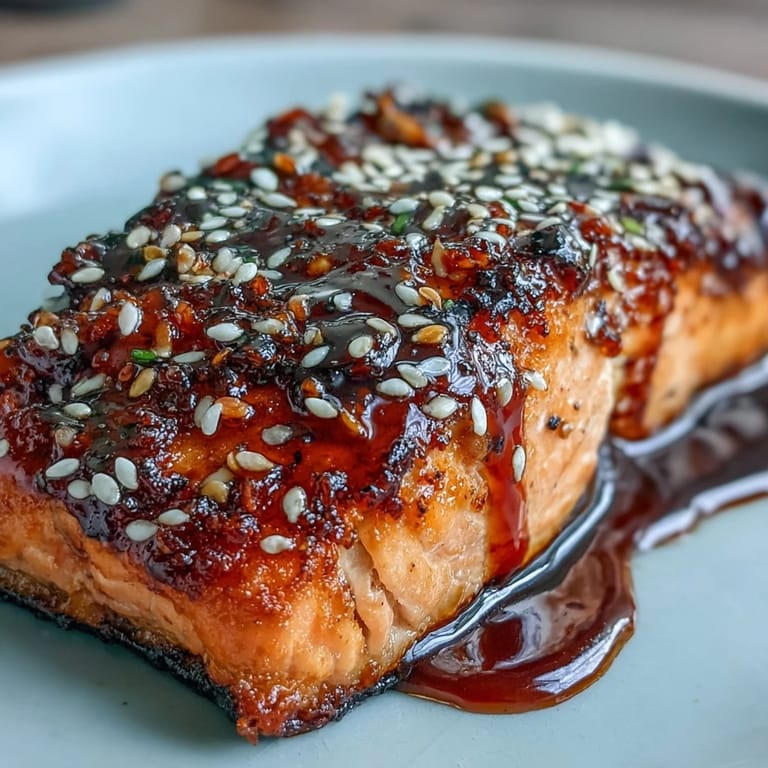
 There's something about the sizzle of salmon hitting a hot pan that makes you feel like you're cooking in a proper kitchen, but the truth is, I discovered this teriyaki version purely by accident one weeknight when I had beautiful fillets and nothing but pantry staples on hand. My neighbor had just gifted me a bottle of mirin, and curiosity took over—I mixed it with soy sauce and honey, brushed it on the fish, and watched as the oven worked its magic. That glossy, caramelized coating that emerged reminded me of the best restaurant dishes, except it took barely twenty minutes and the cleanup was nothing to worry about.
I made this for my partner after a long day, and they looked genuinely surprised when I placed the plate down—the glaze caught the kitchen light in this amber way that felt almost too nice for a Tuesday evening. We sat at the counter, no phones, just talking between bites while the sesame seeds added these tiny bursts of nuttiness that kept surprising us. That's when I realized this dish had crossed over from being simply dinner into something that felt like care, served on a plate.
Ingredients
- Salmon fillets (4, about 170 g each): Skin-on holds together better during baking, but skinless works just as well if that's your preference; pat them completely dry so the glaze clings properly.
- Soy sauce (60 ml): Low sodium gives you control over saltiness, and the umami backbone of any good teriyaki.
- Mirin (60 ml): This sweet rice wine is what separates real teriyaki from just soy-glazed fish; don't skip it or substitute with regular sugar.
- Honey or brown sugar (2 tbsp): Adds depth and helps create that glossy, caramelized finish when the sauce reduces.
- Rice vinegar (1 tbsp): Cuts through the sweetness with a subtle tang that keeps the glaze balanced.
- Fresh ginger and garlic (2 tsp and 2 cloves): These aromatics wake up the whole sauce; freshly grated ginger makes a noticeable difference in brightness.
- Sesame oil (1 tsp): A small amount brings an earthy, toasted quality that's impossible to fake with other oils.
- Cornstarch slurry (1 tbsp cornstarch, 2 tbsp water): This is your thickening secret; it gives the sauce that signature glossy, cling-to-the-fish texture.
- Toasted sesame seeds and spring onions: These garnishes aren't just decoration; they add textural contrast and a fresh finish that completes the dish.
Tired of Takeout? 🥡
Get 10 meals you can make faster than delivery arrives. Seriously.
One email. No spam. Unsubscribe anytime.
Instructions
- Get your oven ready:
- Preheat to 200°C (400°F) and line a baking tray with parchment paper or foil—this prevents sticking and makes cleanup nearly effortless.
- Build the glaze:
- Combine soy sauce, mirin, honey, rice vinegar, ginger, garlic, and sesame oil in a small saucepan over medium heat, letting the ingredients mingle as everything begins to steam gently. You'll notice the aroma shift as the garlic and ginger soften, signaling that the flavors are marrying together.
- Thicken and finish:
- Mix cornstarch with cold water until smooth, then stir it into the simmering glaze and keep stirring for 2 to 3 minutes until the sauce turns glossy and coats the back of a spoon. This is where the magic happens—it goes from thin to silky in seconds.
- Prepare the salmon:
- Pat your salmon fillets absolutely dry with paper towels, then place them skin-side down on the prepared tray; moisture is the enemy of a good glaze, so this step genuinely matters.
- Brush and bake:
- Generously brush each fillet with teriyaki glaze, remembering to reserve some for drizzling at the end, then slide the tray into the oven for 10 to 12 minutes until the flesh flakes easily with a fork. If you want extra caramelization, give it a quick 1 to 2 minute broil at the end for a burnished finish.
- Plate and garnish:
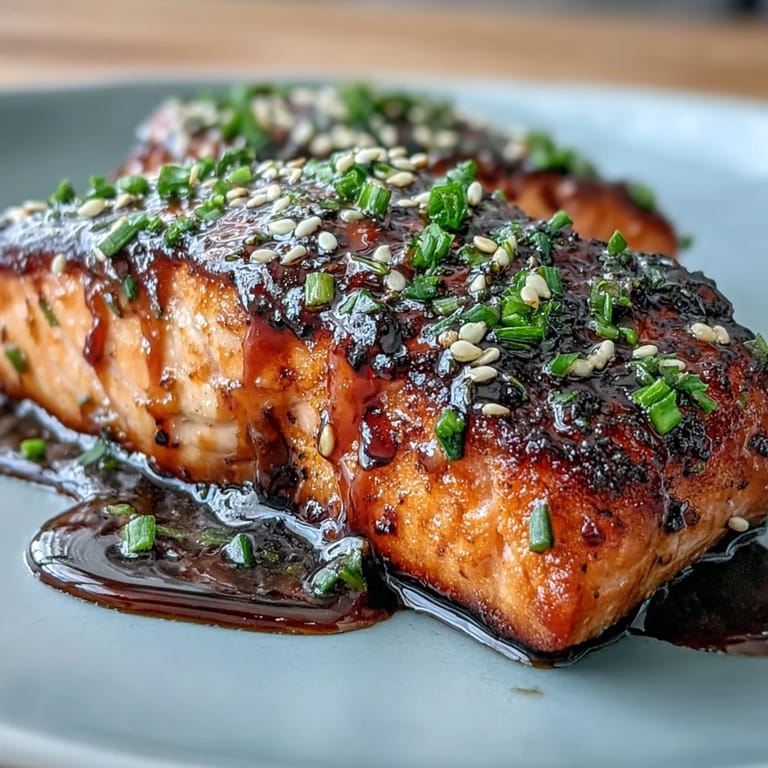
- Transfer each fillet to a plate, drizzle with the reserved glaze, sprinkle toasted sesame seeds and sliced spring onions over the top, and serve immediately while everything is still warm.
 Pin It
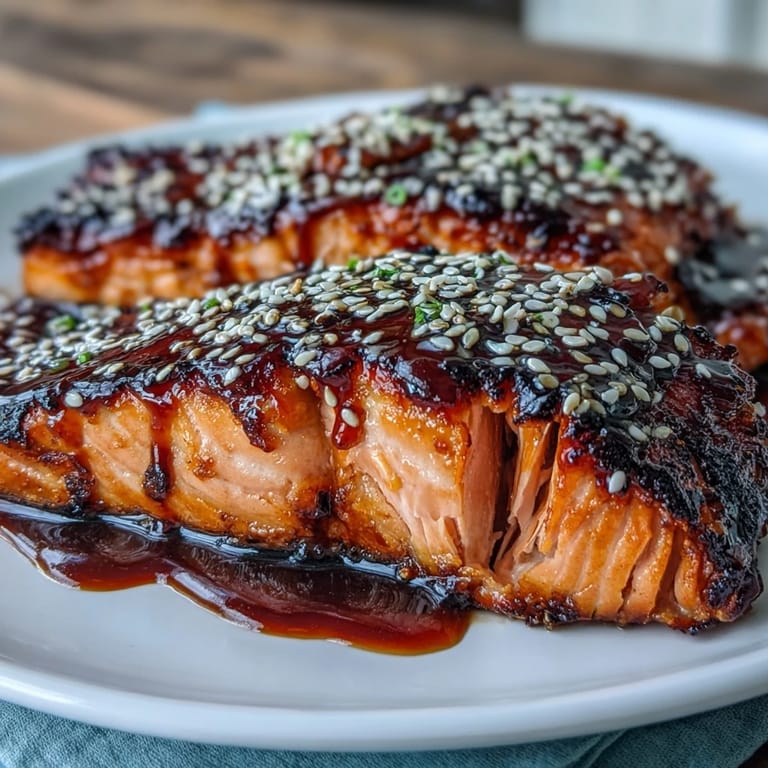
 A friend once asked me why I bothered making salmon at home when restaurants do it, and I realized I couldn't give them a good answer until they actually tasted this version. The salmon was so tender it practically melted, the glaze had this savory-sweet complexity that lingered on the palate, and somehow the whole thing felt like a conversation between me and the kitchen rather than just following orders. That's when I understood—home cooking isn't about competing with restaurants, it's about building something for someone that no restaurant could replicate because it carries intention.
Why This Dish Feels Restaurant-Quality
The secret isn't technique or fancy ingredients; it's the combination of a proper glaze and not overcooking the fish. When salmon is baked gently and the glaze actually clings to it, you get this textured, glossy surface that catches light and makes the plate look intentional. I've learned that most home cooking fails not because the recipe is wrong, but because we're impatient—giving the glaze time to thicken and the fish time to cook through without overdoing it creates that restaurant magic.
Pairing and Serving Ideas
This salmon doesn't demand much of its accompaniments because the glaze is bold enough to stand on its own, but steamed rice soaks up every drop of sauce in the most satisfying way. Sautéed bok choy or steamed broccoli adds color and a fresh contrast without competing for attention, and if you're feeling fancy, a simple cucumber salad with rice vinegar dressing echoes the glaze's flavor profile. I've also served this at the end of a long week with nothing but rice and leftover vegetables, and it still felt like dinner worth remembering.
Quick Customizations and Swaps
Once you understand how this glaze works, it becomes a template rather than a rigid recipe. A pinch of chili flakes goes straight into the saucepan if you want heat, or a teaspoon of white miso paste deepens the umami without changing the texture. For gluten-free cooking, tamari swaps in for soy sauce without any loss of flavor, and if sesame oil isn't on hand, a neutral oil with a tiny splash of toasted sesame oil works in a pinch.
- Add chili flakes, white miso, or a dash of citrus juice to customize the flavor profile to your mood.
- This glaze works equally well on chicken thighs, tofu, or even roasted vegetables if you want to stretch the recipe further.
- Make the glaze a day ahead and store it in the fridge; it actually deepens in flavor and saves you prep time on busy evenings.
 Pin It
 This recipe became a staple in my kitchen not because it's complicated, but because it proves that simple ingredients and a bit of patience create something memorable. Make it tonight, and you'll understand why teriyaki salmon has earned its place at every table worth sitting down to.
Questions About This Recipe
- → What type of salmon works best?
Both skin-on and skinless salmon fillets are suitable; skin-on helps keep moisture during baking.
- → Can I make the glaze thicker?
Yes, cornstarch slurry is added and simmered until the glaze thickens to a shiny, coatable consistency.
- → How long should the salmon bake?
Bake for 10-12 minutes at 200°C (400°F) until salmon flakes easily with a fork; broil briefly for caramelization.
- → Are there alternatives for soy sauce in the glaze?
For gluten-free options, tamari can replace soy sauce without compromising flavor.
- → What sides complement this dish?
Steamed rice, sautéed greens, or stir-fried vegetables pair well with the glazed salmon.
- → How to add a spicy kick?
Add a pinch of chili flakes into the glaze mixture before simmering for subtle heat.