 Pin It
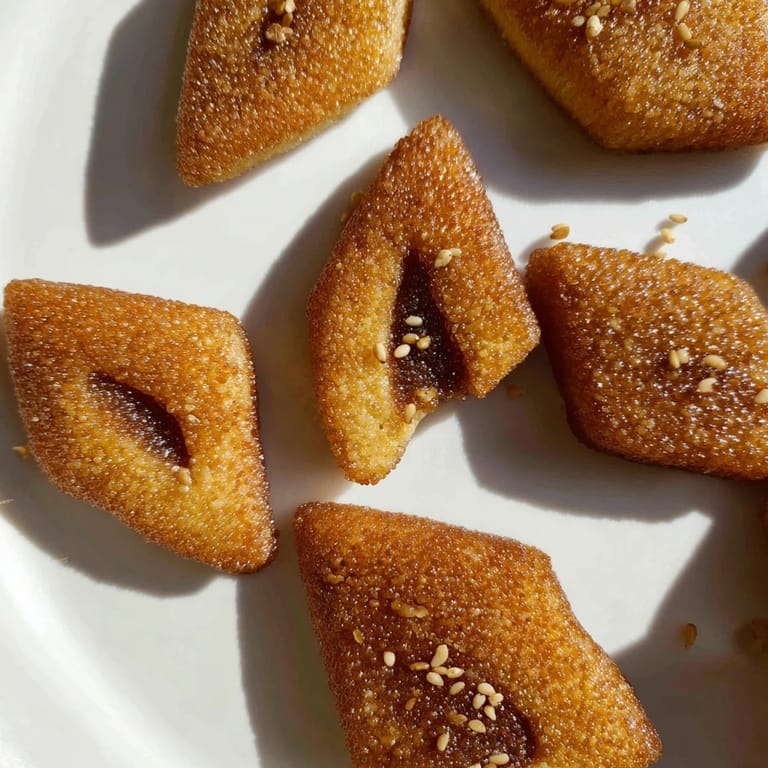
 I first tasted makroudh at a tiny café in the medina of Tunis on a morning so hot that the pastry chef's hands moved with practiced efficiency despite the sweat. The golden diamonds glistened with syrup, and when I bit into one, the crisp semolina shell gave way to a soft date filling scented with cinnamon and orange blossom—it was the kind of bite that made me understand why these cookies matter during celebrations. Years later, I decided to make them myself, convinced I'd mess up the frying or the shaping, but something about the rhythm of rolling the dough and nestling the date paste made it feel less like following a recipe and more like joining a conversation across generations.
I remember making these for my neighbor who'd been under the weather, and watching her face light up when she took that first bite felt like a small victory. She later told me they reminded her of her grandmother's kitchen, which somehow made those 40 minutes of shaping feel like time well spent. That's when I realized these aren't just cookies—they're edible memories you can hand to someone else.
Ingredients
- Fine semolina: The foundation of everything, giving you that distinctive grainy texture and subtle nuttiness that no other flour can replicate.
- Unsalted butter and olive oil: Together they keep the dough tender and pliable without making it slick; the combination is deliberate, not interchangeable.
- Warm water: Add it slowly—semolina absorbs differently depending on humidity, and over-wet dough means tough cookies.
- Cinnamon: A whisper of warmth through both dough and filling, the spice that tells you this is Tunisian.
- Pitted dates: Choose ones that are plump and soft; if they're too dry, they'll fight you when you cook them down into paste.
- Nutmeg: Just a pinch alongside the cinnamon, rounding out the spiced warmth without overpowering.
- Honey: The final glaze that catches light and seals in moisture, turning these from good to unforgettable.
- Orange blossom water: Optional but worthwhile—it's the perfume that elevates everything else from merely good to something people will ask you about.
Tired of Takeout? 🥡
Get 10 meals you can make faster than delivery arrives. Seriously.
One email. No spam. Unsubscribe anytime.
Instructions
- Cook down the dates:
- Heat butter in a saucepan and add your chopped dates, cinnamon, and nutmeg, stirring until the dates break down into a thick, jammy paste—you'll hear them softening and smell the spices wake up. Cool it completely, then roll into thin logs that are easier to work with than you'd expect.
- Build your dough:
- Mix semolina with sugar, salt, and cinnamon, then rub in butter and olive oil until it looks like wet sand—this part is meditative, almost like playing with your food. Add warm water gradually, kneading gently until you have a soft dough that holds together without being sticky, then let it rest so the semolina fully hydrates.
- Shape and fill:
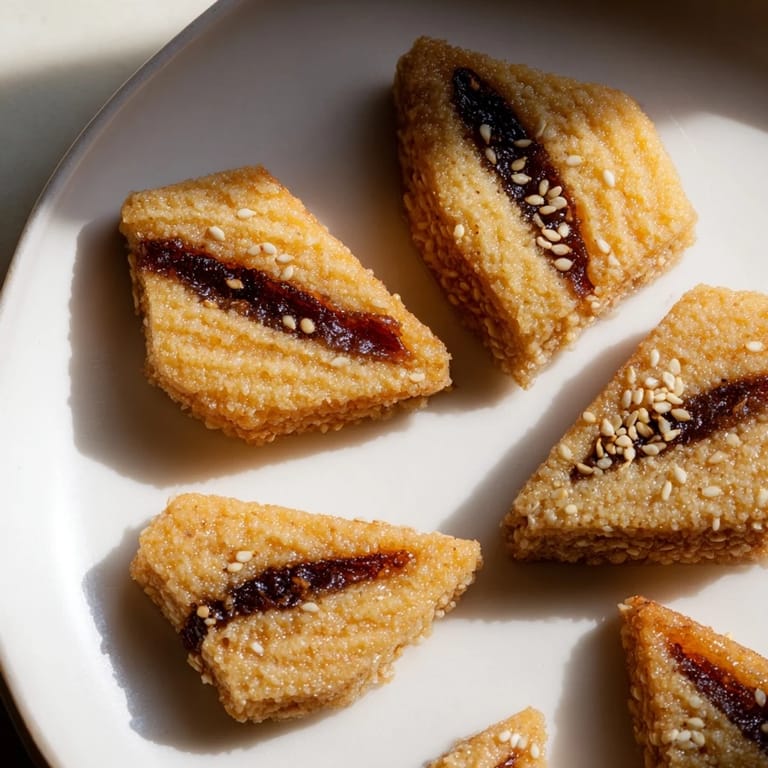
- Divide dough into two logs, create a lengthwise groove in each one with your finger, and lay the date filling inside before folding the dough over and sealing the edges. Flatten slightly and cut diagonally into diamonds, which is easier than it sounds once you find your rhythm.
- Fry until golden:
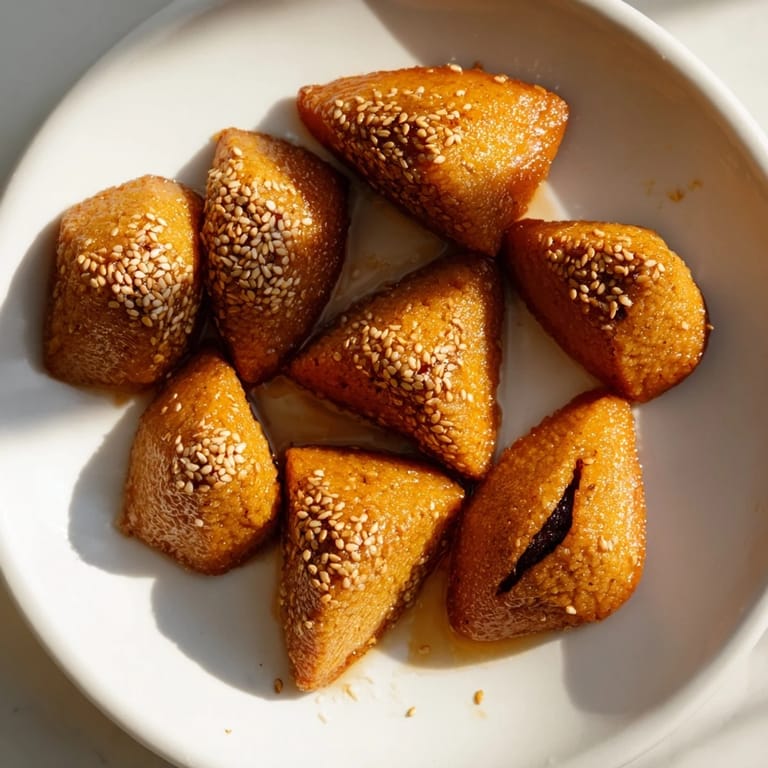
- Heat oil to 170°C—use a thermometer, because this temperature is the difference between crispy and greasy—and fry the makroudh in batches until they're deep gold on all sides. Drain them on paper towels while they're still warm, then dip each one into honey warmed with orange blossom water for that glossy, syrup-soaked finish.
 Pin It
 There's a moment when you pull the first batch from hot oil and watch the honey drip down the golden diamond—that's when you know why these cookies have survived generations and traveled across borders. My kitchen smelled like a Tunisian pastry shop, and I'd made something that tasted like I'd actually been there.
The Baking Alternative
If frying feels like too much, you can bake these at 180°C for 25 to 30 minutes until they're golden, and they'll still be delicious—lighter, maybe, and less decadent, but still with that satisfying semolina crunch. They won't have quite the same richness as the fried version, but they're perfect if you want the flavor without the oil splatter.
Making Them Your Own
The beauty of makroudh is that they're flexible enough to bend toward your taste without losing their soul. You can swap orange blossom water for rose water if that's what your family loves, or skip the floral notes entirely and let the dates and cinnamon speak for themselves. Some versions get a sprinkle of sesame seeds for nuttiness, while others stay pure and simple.
Storage and Keeping
Once they've cooled completely, makroudh keep for about a week in an airtight container, though they're rarely around that long. They're even better the next day, once the honey has settled in and the flavors have gotten to know each other. If you're making these ahead for an event, consider that as a feature, not a worry.
- Keep them in an airtight container away from heat or humidity.
- They'll soften slightly as they sit, which is exactly when they become most tender and syrup-soaked.
- Reheat gently in a low oven if you want them crispy again.
 Pin It
 Makroudh teaches you that sometimes the most meaningful recipes are the ones that take time and attention, the ones that can't be rushed. Once you've made them once, you'll find yourself drawn back, and you'll know why they've mattered across centuries and continents.
Questions About This Recipe
- → What type of semolina is best for Makroudh?
Fine semolina yields a smoother dough and tender crust, essential for achieving the characteristic crispness of Makroudh.
- → Can I bake Makroudh instead of frying?
Yes, baking at 180°C for 25–30 minutes produces a lighter version while still maintaining a crisp exterior, finished with honey glaze.
- → How do I prevent the dough from being too dry?
Gradually add warm water and knead gently until the dough feels soft and pliable but not sticky, avoiding overworking it.
- → Is orange blossom water necessary for the filling?
It's optional but adds a fragrant floral note that complements the sweet dates and spices beautifully.
- → What oil is recommended for frying Makroudh?
Use a neutral vegetable oil that can maintain steady heat, such as sunflower or canola oil, to ensure even frying without overpowering flavors.
- → How should Makroudh be stored?
Store in an airtight container at room temperature for up to one week to maintain freshness and crispness.