 Pin It
 There's something about the smell of soffritto hitting hot oil that makes you stop and pay attention. I discovered minestrone on a chilly October afternoon when a friend brought a thermos of it to our apartment, and what struck me wasn't just how good it tasted, but how it seemed to contain an entire season in a single bowl. The beauty of this soup is that it doesn't demand perfection or obscure ingredients, just whatever vegetables are looking their best at the market that day.
I made this for my roommate the week she got sick, and watching her actually finish a bowl felt like I'd done something important. Minestrone has that quiet power, you know, where simple vegetables and broth somehow become nourishing in a way that reaches deeper than just hunger. It's the soup you make when you want someone to feel cared for without saying a word about it.
Ingredients
- Olive oil: Start with good olive oil here, at least two tablespoons, because it's the foundation that will carry the flavor of everything else.
- Onion, carrots, and celery: This trio is non-negotiable in Italian cooking, the aromatic base that teaches your palate what minestrone actually is.
- Garlic: Three cloves minced fine will distribute their flavor throughout the broth rather than sitting in hard pieces you encounter unexpectedly.
- Seasonal vegetables: Use zucchini in summer when it's tender and abundant, swap it for butternut squash when the weather turns cold and you want deeper sweetness.
- Green beans or leafy greens: These add textural contrast and brightness, though I've learned that sturdy kale holds its shape better than tender spinach during the simmer.
- Diced tomatoes: A can of whole tomatoes broken apart works beautifully, though I sometimes use crushed if that's what I have.
- Vegetable broth: Quality matters here since it's the liquid that binds everything together, so taste it before you buy if possible.
- Cannellini or borlotti beans: Both work equally well, though I prefer borlotti for their earthier flavor and the way they slightly break down and thicken the broth.
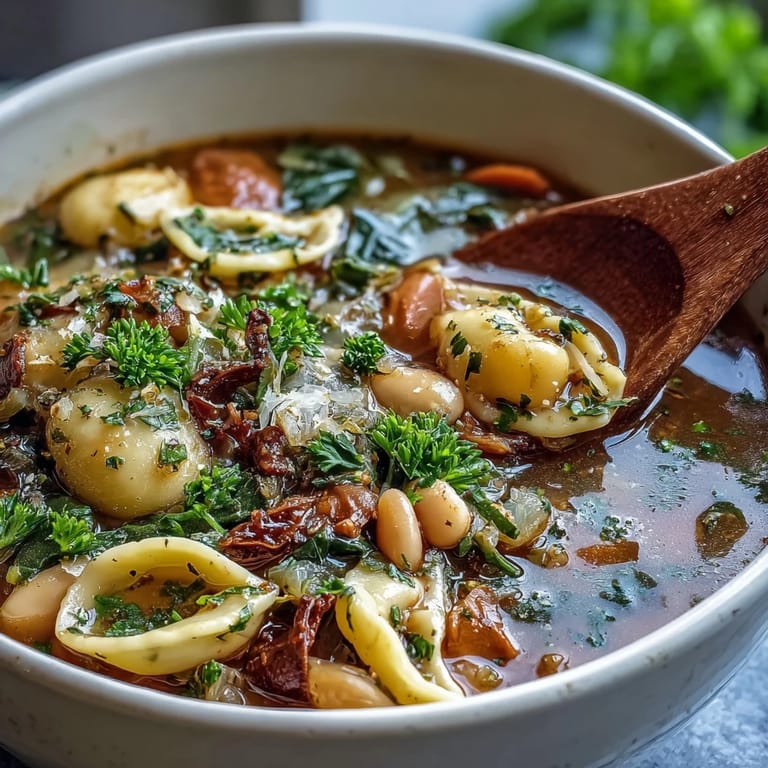
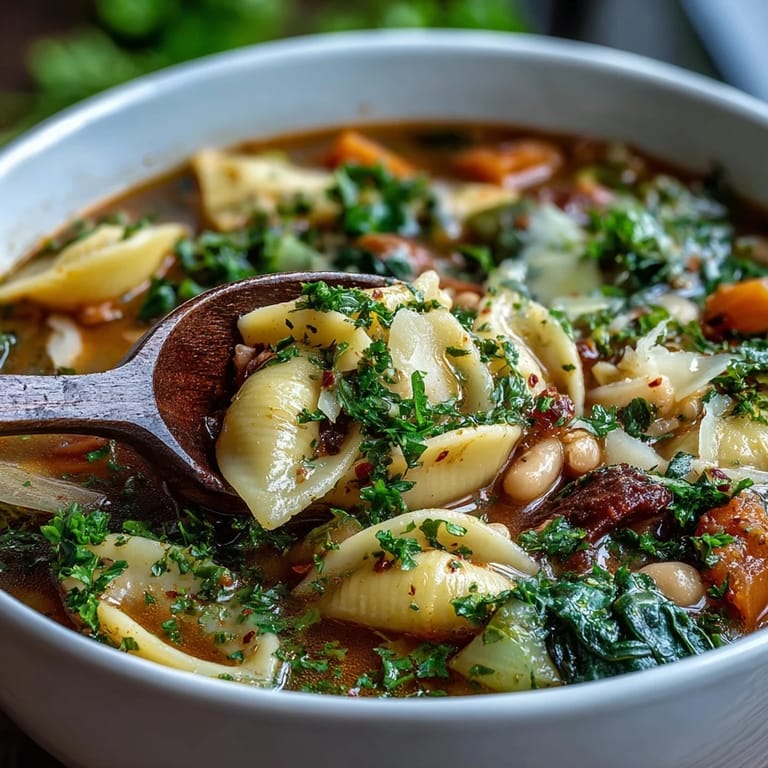
- Small pasta: Ditalini is traditional, but honestly elbow pasta or small shells work just as well and are easier to find.
- Bay leaf, oregano, and basil: These dried herbs might seem simple, but they're what give minestrone its unmistakable Italian identity.
- Fresh parsley: Added at the very end, it brings a brightness that makes you realize how much you've been missing it.
- Parmesan cheese: Optional but revelatory, especially if you grate it yourself and let it melt slightly into the heat of the soup.
Tired of Takeout? 🥡
Get 10 meals you can make faster than delivery arrives. Seriously.
One email. No spam. Unsubscribe anytime.
Instructions
- Build your foundation:
- Heat the olive oil in a large pot over medium heat and add your onion, carrots, and celery all at once, stirring occasionally for about five minutes until they soften and start to turn golden at the edges. You'll notice your kitchen suddenly smells like Italian cooking, which is how you know this step is working.
- Layer in the aromatics:
- Stir in your minced garlic along with whatever seasonal vegetables you're using, letting them cook together for three minutes so the garlic perfumes everything without burning. This is the moment where you're really building flavor, not just combining ingredients.
- Add the tomato element:
- Pour in your diced tomatoes and add the bay leaf and optional potato, letting it all cook together for two minutes before you add the broth. The potato, if you use it, will dissolve slightly and thicken the soup naturally as it cooks.
- Bring it to a simmer:
- Pour in your vegetable broth and bring the whole pot to a boil, then immediately reduce the heat and let it simmer gently for fifteen minutes. During this time, taste the broth and see if it speaks to you yet, or if it's still finding itself.
- Finish with beans and pasta:
- Add your drained beans and small pasta, stirring occasionally as they cook uncovered for ten to twelve minutes until both are completely tender. The pasta will continue to absorb broth, so don't make it in a separate pot, let it cook directly in the soup where it belongs.
- Season and garnish:
- Stir in your oregano and basil, remove the bay leaf, and taste carefully for salt and pepper, adjusting as needed. Fold in the fresh parsley at the very last moment, then ladle into bowls and finish with grated Parmesan if you'd like that creamy, salty richness.
 Pin It
 My neighbor started asking me to make minestrone every time her grandchildren visited, and suddenly this simple soup became the thing that brought everyone to her kitchen. There's something about a bowl you can eat with a spoon or sip directly from the edge that makes people relax and actually talk to each other.
Adapting for the Season
Spring minestrone feels completely different from winter minestrone, which is exactly the point. In May or June when everything is tender and young, I use fresh peas, thin green beans, and maybe some leeks sliced into rings, keeping the soup light and almost green in color. Come November, I'm reaching for butternut squash and kale and cabbage, making everything deeper and more substantial, the kind of soup that actually warms you from the inside out on a gray afternoon.
Vegan and Dietary Variations
If you're cooking this for someone who eats vegan, simply leave off the Parmesan and nothing is lost, because the soup has so much flavor from the vegetables and beans that cheese feels optional anyway. I've also made it with gluten-free pasta for friends with celiac disease, and honestly you'd never know the difference unless they told you. The substitutions feel so natural that you'll probably start thinking about minestrone as a template rather than a rigid recipe, which is how it was always meant to be made.
Serving Suggestions and Final Touches
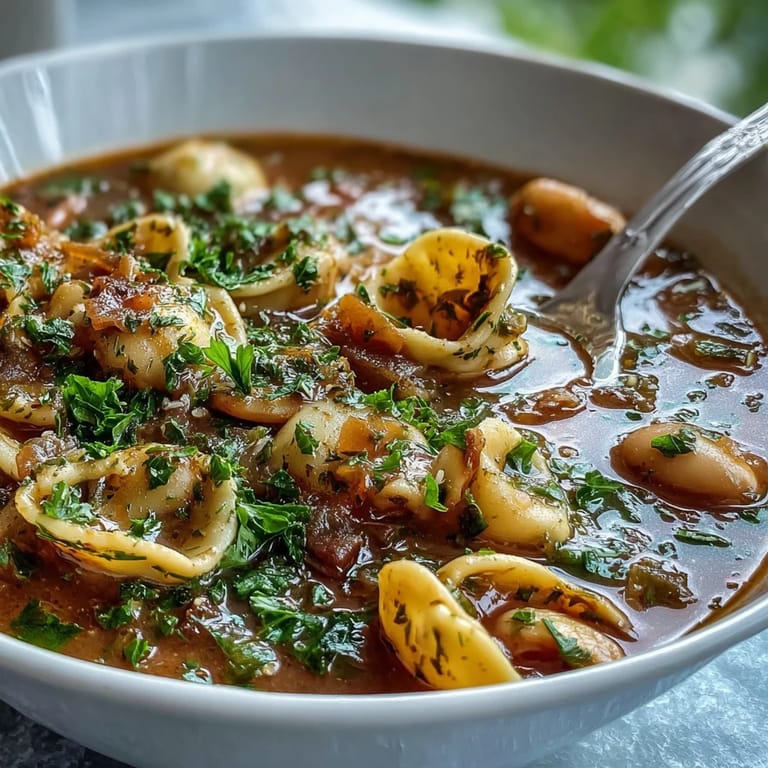
The best way to serve minestrone is in warm bowls with a chunk of crusty bread nearby for dunking, maybe a drizzle of really good olive oil if you have it, and fresh Parmesan if it fits your diet. Don't underestimate how much a small ritual around serving makes people feel cared for.
- Make it the night before so flavors have time to marry and deepen in the refrigerator.
- Freeze it in individual portions so you always have something nourishing ready to reheat.
- Add a Parmesan rind while it simmers if you want to use the whole cheese and deepen the umami flavor.
 Pin It
 This is the soup that turns a quiet evening into something memorable, the one you make when you want to take care of yourself or someone else. Keep making it until you stop thinking about the recipe and start trusting your hands to know what's right.
Questions About This Recipe
- → What vegetables work best in minestrone?
Onion, carrots, celery, and tomatoes form the classic base. Seasonal additions like zucchini in summer or butternut squash in winter add variety. Green beans, kale, and spinach also work beautifully.
- → Can I make this gluten-free?
Absolutely. Simply substitute regular pasta with gluten-free alternatives like rice pasta, corn pasta, or quinoa pasta. The rest of the ingredients naturally contain no gluten.
- → How long does minestrone keep in the refrigerator?
Stored in an airtight container, minestrone keeps well for 3-4 days. The pasta may absorb more liquid over time, so add a splash of broth when reheating to restore consistency.
- → What pasta shape is traditional?
Small shapes like ditalini, elbow macaroni, or small shells are traditional. Their size allows them to cook evenly and spoon up easily with vegetables in every bite.
- → Can I freeze minestrone?
Yes, though it's best to freeze before adding pasta. Cook the soup base, cool completely, and freeze for up to 3 months. Add freshly cooked pasta when reheating for the best texture.